


Hoi An Weather in August
Hoi An’s weather in August is characterized by high temperature and humidity, erratic shifts between sunshine and rain, as well as intense UV radiation, making it far from an ideal travel period. If you plan to visit during this time, be sure to plan your itinerary flexibly and have alternative arrangements ready in advance.
One of the Hottest Months
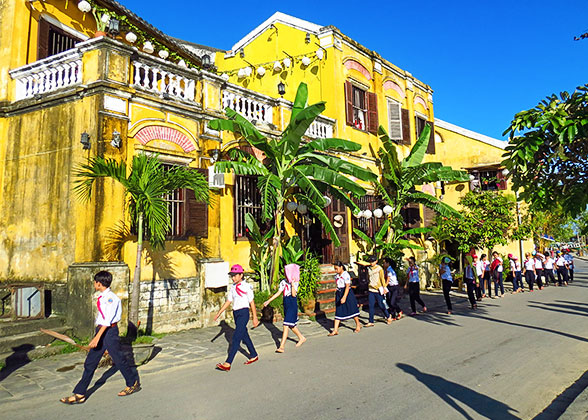
Although temperatures in Hoi An are not extremely high in August, they generally remain at a high level.In the first half of August, daytime highs can reach 34 - 38 degrees Celsius (93 - 100 degrees Fahrenheit). Combined with high humidity of around 85%, it feels oppressively muggy, like being inside a steamer. When exploring the ancient town at noon, you’ll find yourself constantly seeking out air-conditioned spaces to escape the scorching heat. Night lows hover around 25 - 30℃ (77 - 86℉), which seems far more comfortable at first glance compared with the daytime condition. However, if you stay in a traditional homestay without air conditioning, you’ll struggle to get a good night’s sleep.
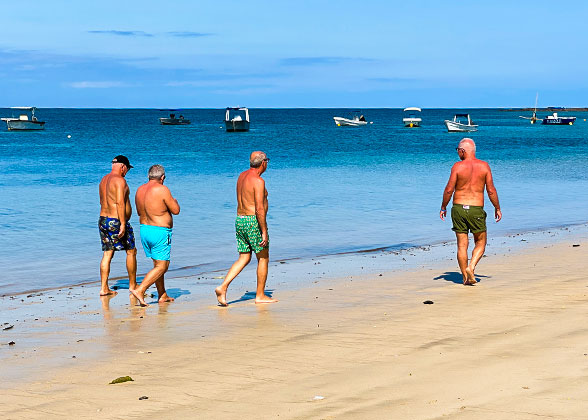
In the second half of August, the weather becomes relatively milder, with daytime highs mostly staying below 34℃ (93℉). Yet even so, you will still prefer to rest in your hotel room rather than sightsee under the blazing midday sun. Overnight lows generally stay below 26℃ (79℉), a bit pleasant. A stroll along An Bang Beach, with the sea breeze gently blowing, makes you feel especially cool and refreshing.
|
|
|
Start of the Rainy Season
Hoi An enters rainy season in August. Being at the very start of the rainy season, rainfall does not surge sharply: the monthly average precipitation is about 104 mm, with rain falling on roughly 23 days. This means rain occurs frequently in the month, making a fully rain-free trip highly unlikely. Overall, the first half of August sees less frequent rain than the second half. If you dislike rainy weather and can only schedule your trip this month, the first half is more recommended than the second.Rain during this period tends to be intense. When a downpour hits, the whole world is shrouded in a thick curtain of rain, with heavy, dense drops that can easily soak you even with an umbrella. Thankfully, most of these are brief showers that usually pass within an hour, so you need not worry too much about complete disruptions to your outdoor plans.
Long Daytime Duration
In August, Hoi An experiences sunrise at around 5:32 and sunset at roughly 18:11, with approximately 12.5 hours of daylight. Despite the relatively long daylight hours, the intense midday heat and sudden downpours make it difficult to secure long, uninterrupted periods for outdoor activities.However, even with frequent rain showers, Hoi An enjoys an average of about 5 hours of sunshine per day, offering enough bright, clear light for photography. Yet it is important to note that during the hours of direct sunlight, the UV index often rises above 11, and as short as 15 minutes of exposure can cause skin damage. Even in the early morning and late afternoon when the light is much milder, sun protection should never be overlooked.
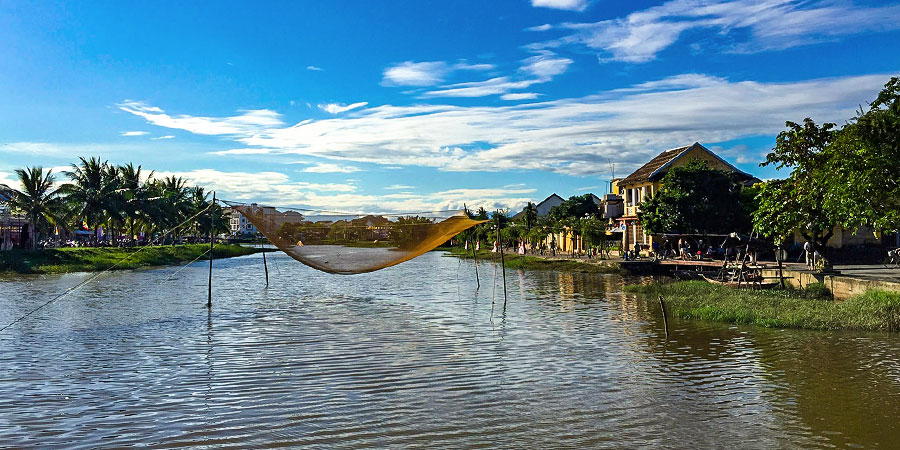
Thu Bon River in Good Sunlight
|
Packing List for Hoi An Trip in August, 2027

|
Shoes: Cars, motorbikes and bicycles are prohibited within the ancient town, so you will need to do a lot of walking. For this reason, bring a pair of comfortable, supportive sneakers or hiking shoes. Opt for breathable mesh styles that are not overly thick or heavy. If you plan to visit An Bang Beach, also pack a pair of beach sandals or flip-flops.
Others: Raincoat, umbrella, waterproof bag, waterproof pouches, parasol, sunscreen, sun hat, sunglasses, and etc.
Travel Highlights in Hoi An in August
The Vu Lan Festival is a traditional Vietnamese festival for locals to honor their ancestors and offer salvation to wandering souls. It falls on the 15th day of the 7th lunar month every year, corresponding to August 16, 2027 on the Gregorian calendar, and ranks as the second most important traditional festival in Vietnam, only behind Tet - Vietnamese New Year. During the festival, major scenic spots in Hoi An will launch distinctive folk events.
You can pay homage at the Japanese Covered Bridge by laying offerings of flowers, fresh fruits, and other tributes to honor ancestors and soothe wandering spirits. You may also join traditional rituals and blessing ceremonies at Quan Cong Temple to pray for peace and well-being for yourself and your family. Or take part in the grand floating lantern ritual along the Thu Bon River - thousands of glowing lanterns drifting gently across the water are said to light the way for departed souls into the afterlife. Truly, this is Vietnam’s real-life version of Coco.
Tips
1. We recommend not packing your schedule too tightly, in case sudden heavy rains disrupt your entire plan. Leave some flexible free time: if it pours, you can rest at your hotel, explore a handicraft shop, or relax at a sidewalk cafe.
2. The stone-paved streets in the ancient town often pool water and turn slippery after rainfall. We advise wearing slip-resistant shoes throughout your visit and avoiding high heels to prevent accidental slips and falls.
3. Late August marks the prelude to Vietnam’s typhoon season, when the risk of extreme climate increases. Before your trip, be sure to check the latest weather forecasts and typhoon warnings, and book flights and hotels with free cancellation and changes wherever possible.
You May Like
-
 7 Days Private Tour for Vietnam Charms: Hanoi - Ha Long Bay - Ho Chi Minh City - Ben Tre - Ho Chi Minh City from USD1151
 -
 12 Days Private Tour for A Full Exploration in Vietnam, with Hoi An Highlights from USD1811
 -
 14-Day Private Tour to Hanoi - Lao Cai - Sapa - Ha Long Bay - Hue - Hoi An - Ho Chi Minh City and more from USD2137