


Best Time to Visit Hoi An
Best Time to Visit Hoi An: January to April
January to April is the best time to visit Hoi An, when climate conditions are suitable for nearly all outdoor activities, allowing you to explore the entire ancient town to the fullest.
Gentle Temperatures for Comfortable Feelings
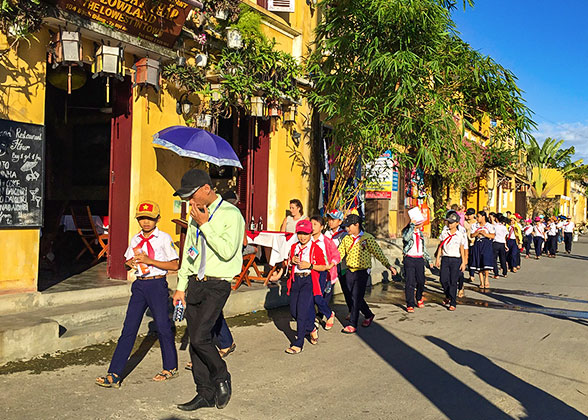
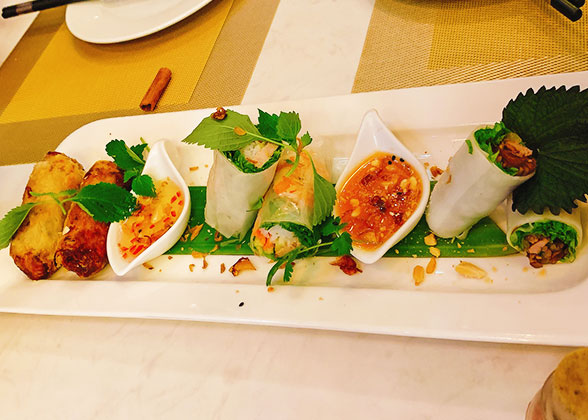
January to April offers the most comfortable temperatures in Hoi An all year round. Daily highs usually stay below 28 degrees Celsius (82 degrees Fahrenheit), mostly ranging from 25 to 27℃ (77 - 81℉), while nighttime lows typically hover between 22 and 24℃ (72 - 75℉).With such mild conditions, it feels neither cold nor too hot throughout the day, encouraging visitors to head out and enjoy all kinds of views. Even under bright midday sun, long stroll through the ancient town’s stone-paved streets or two-hour bike rides along the countryside rice paddies will not leave you sweating heavily. Mornings and evenings are cool, even requiring a light jacket to shield against the breeze. This also makes it the perfect time to savor hot dishes like Vietnam hot pot and fried spring rolls, without the excessive heat ruining your appetite.
|
|
|
Low Rainfall and Steady Water Levels: Ideal for Boat Trips
This period marks the early dry season in Hoi An, with the lowest rainfall of the year: monthly precipitation is generally no more than 50mm, and there are fewer than 10 rainy days on average each month. Even when rain does fall, it usually comes in short showers and the sky clears up within an hour, so it will not disrupt your plans for long, and you will only need to take brief shelter at a nearby street-side shop.Best of all, thanks to the absence of prolonged heavy rain, the Thu Bon River sees no abnormal tidal surges or backflow, with its water level staying steady throughout. This makes it ideal for all kinds of boating experiences. You can take a sightseeing boat downstream to enjoy the quaint riverside architecture and the daily life of local people; rent a small wooden boat to row at your own pace, buy flower lanterns, make a wish, and set them afloat on the water; or try the iconic local coconut basket boats for the unique fun of fast spinning rides.
Abundant Sunshine Perfect for Photography
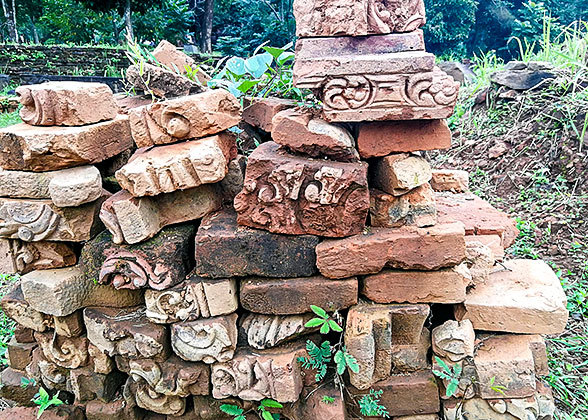
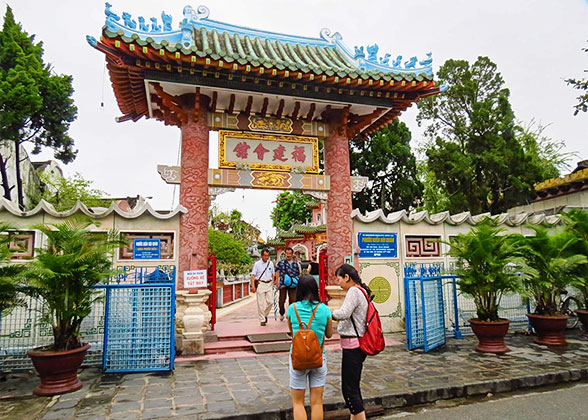
During this period, Hoi An enjoys roughly 11 to 12 hours of day length each day, including nearly 7 hours of bright sunshine - plenty of sunlight that makes it exceptionally kind to photography enthusiasts. In the clear sunlight, the ancient town’s yellow walls glow brightly; the intricate carvings and patterns on the gate of the Chinese Assembly Hall stand out in crisp detail; and the Champa ruins at My Son Sanctuary appear sharp and well-defined.Notably, the UV index at this time typically hovers around 9. Though quite high, these are the locally lowest UV levels of the year. Brief outdoor activity may not lead to rapid sunburn, but extended sightseeing calls for proper protection: apply sunscreen, wear sun protective clothing, and bring sunglasses and a parasol.
|
|
|
Vietnamese New Year Great for Experiencing Folk Customs
Some festivals are celebrated during this period to enhance your travel experiences. Among them, Tet, the Vietnamese New Year, is Vietnam’s most magnificent and lively festival, celebrated on the first day of the lunar calendar every year. In 2027, it falls on February 6. During the festive season, Hoi An hosts spectacular folk performances and a diverse array of interactive events throughout the town.You can visit the Chinese Assembly Halls to watch traditional ceremonies, such as ritual offerings and welcoming the God of Wealth, and join the crowd to burn incense and make wishes. You may also go to temples including Phap Bao Temple and Quan Cong Temple to take part in special New Year activities like praying for blessings and lantern-lighting rituals.
Peak, Shoulder and Off Seasons for Visiting Hoi An
Peak Season from December to February
Hoi An’s peak tourist season largely coincides with the best travel period mentioned above, covering January and February. These months boast the most pleasant weather all year round, drawing large crowds of visitors; during the Tet holiday, tourist numbers surge even further. December is also part of the peak season. As the final month of the rainy season, it sees moderate rainfall and temperatures similar to those in January and February. During Christmas and New Year’s Day holidays, it witnesses a significant tourism boom.Warm Tips: During the peak season, visitor numbers are high. We recommend booking flights, hotels, attraction tickets and activities 1 - 2 months in advance to avoid sell-outs that could affect your trip. Meanwhile, prices for these services rise by 30% - 50% compared with regular rates, so please plan your budget accordingly. If you plan to avoid crowds or are on a tight budget, you may choose other more suitable times to visit.
Shoulder Season from March to July
March to July is also Hoi An’s dry season, with average monthly rainfall not exceeding 100 mm and fewer than 20 rainy days per month. Although rainfall is higher than that during the optimal travel period, it mostly falls as brief showers and generally does not affect your itinerary a lot.However, this period is the shoulder season mainly for two reasons. First, the busy holiday season has ended, resulting in a sharp decrease in crowds. Second, except for March and April, the weather is hot, with high temperatures mostly ranging from 34 to 38℃ (93 - 100℉) and occasionally peaking at 40℃ (104℉). Paired with humidity exceeding 80%, Hoi An seems like a massive sauna - you’ll be drenched in sweat just 10 minutes after stepping outside. Overnight lows hover close to 30℃ (86℉) as well; while milder than the midday heat, the thick, humid air clings to your body persistently, making it nearly impossible to sleep soundly without air conditioning. This also dissuades some visitors from coming.
Fortunately, this period is particularly ideal for all kinds of marine activities. The sea temperature remains steadily above 25℃ (77℉), making it comfortable to swim and play in the water. The coastal waves are gentle, suiting water sports such as surfing and paddleboarding. In addition, the seawater is not murky as it is during the rainy season, with visibility reaching an annual high of 15 to 30 meters (49 to 98 feet). This makes it perfect for diving or snorkeling, during which you can clearly admire underwater fish schools and beautiful coral reefs.
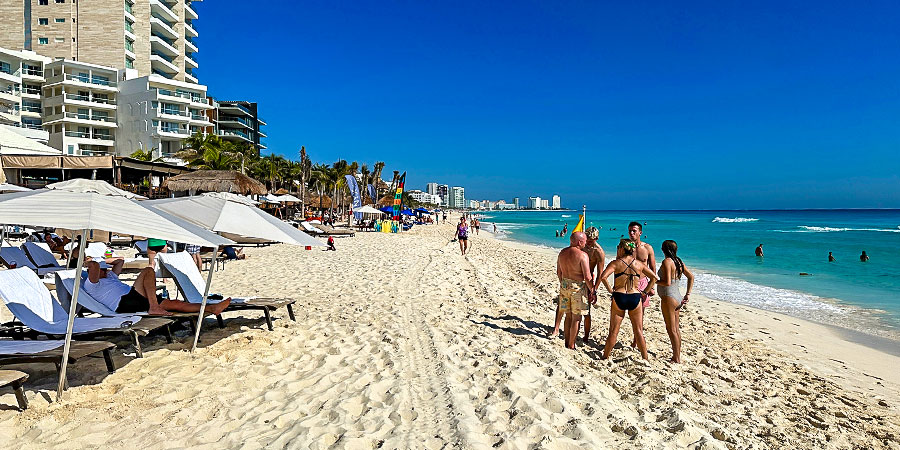
Enjoying Beach Fun
|
Off Season from August to November
August to November sees very few tourists in Hoi An, making it the low season. The main reasons are as follows:First, the weather is hot and humid. Daytime temperatures often exceed 32℃ (90℉), with humidity approaching 90%, leaving you feeling sticky and oppressive, as if constantly wrapped in damp clothing. Thankfully, nighttime temperatures drop to around 26℃ (79℉), bringing some comfort. Carrying a small fan can effectively relieve the sultry discomfort.
Second, and most critically, this period overlaps with both the rainy season and the typhoon season. Average monthly rainfall generally exceeds 300 mm, and daily precipitation once even reached 1,000 mm, easily causing severe flooding. Meanwhile, the area is struck by a typhoon nearly every month in this period, damaging various infrastructure. Under such extreme weather conditions, transportation may be paralyzed, attractions closed, and residents and tourists could face emergency evacuation. Traveling to Hoi An during this period is therefore not recommended.
You May Like
-
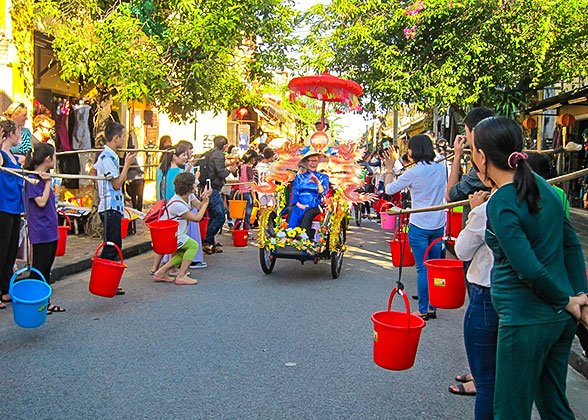 9 Days Private Tour to Ho Chi Minh City - Mekong Delta - Ben Tre - Hoi An - Hue - Hanoi - Ha Long Bay from USD1521
 -
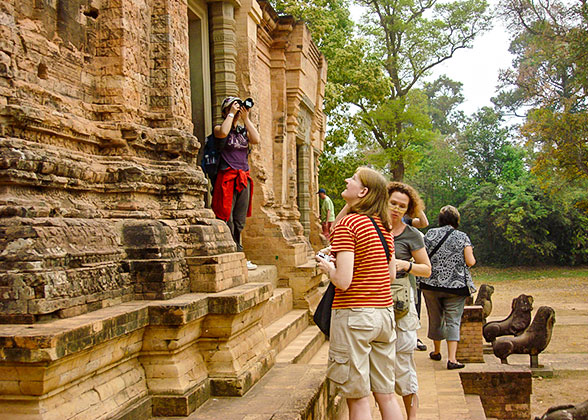 10-Day Vietnam Private Tour with Ho Chi Minh City - My Tho - Ben Tre - Can Tho - Da Lat - Nha Trang from USD1345
 -
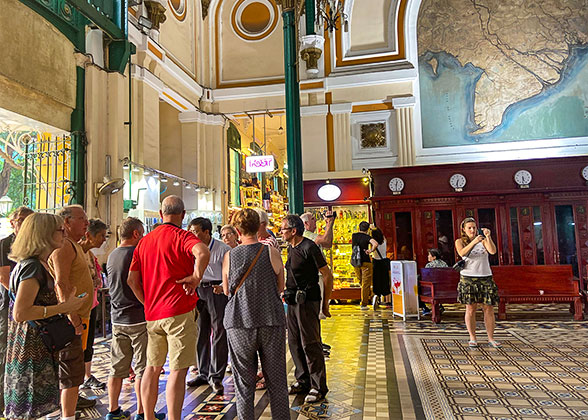 12 Days Private Tour to Vietnam, Highlighted by Hanoi - Hoi An - Ho Chi Minh City from USD1811