

Algeria Weather in November
As the autumn is drawing to an end and the winter is approaching, you could feel some coolness in Algeria in November. Generally, the south sees warm days and chilly nights, while other parts are pleasantly cool. The rainy season arrives in Algeria in November and a large majority of the rain falls in the north. Snow is possible as well in mountain areas. As strong winds blow sometimes, Algeria weather in November subsequently becomes somewhat changeable and complex in this transitional month.
Cool North, Warm South
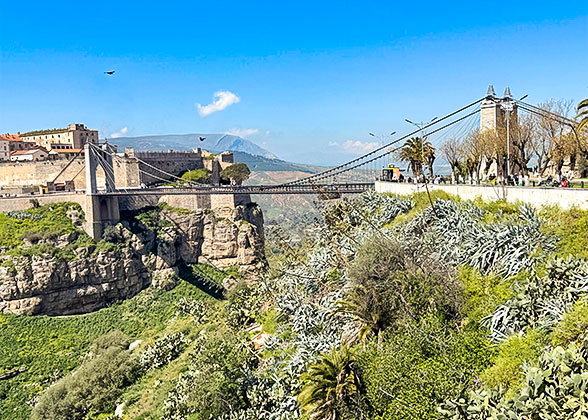
During November, temperature drops and regional variations get more pronounced. In northern Algeria, the daytime highs are about 16 - 24 degrees Celsius (61 - 75 degrees Fahrenheit), mostly below 20°C (68°F) in the late November when Annaba could even see high temperatures below 15°C (59°F) for days. When night falls, the temperatures fall several degrees to the range of 15 - 18°C (59 - 64°F). Most of the time, northern Algeria climate in November is pleasantly cool for visitors to conduct outdoor visits.In contrast, the central cities witness drastic temperature fluctuations and changes frequently among cool, chill and coldness. For instance, in Batna, high degrees range from 12 to 25°C (54 - 77°F), but due to the large diurnal temperature difference, low values lie between 3 and 10°C (37 - 50°F). The perceived temperatures are even lower when it rains. In Setif, late November sees daytime degrees around 8°C (46°F) and nighttime ones around 0°C (32°F), which feels like in deep winter and makes you shiver in the cold.
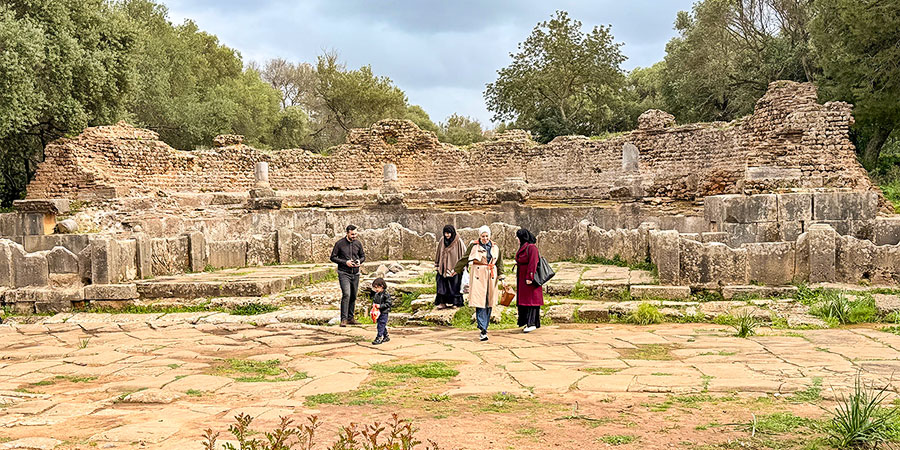
Chilly November in Algeria
|
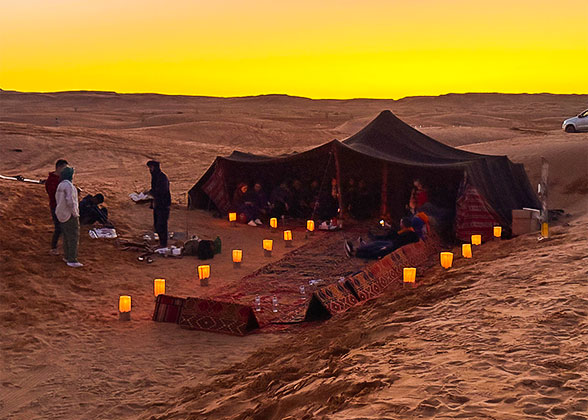
However, the weather of southern Algeria in November is warm during daytime. Usually, the max temperatures swing between 21 and 28°C (70 - 82°F). But it is cool even chilly at night with min ones being 9 - 18°C (48 - 64°F). Considering the wide cover of desert areas, some cities might have slightly higher or lower temperatures, such as Timimoun which is about 5°C (41°F) warmer than most southern destinations, thus contributing to occasional hot days but pleasant nights.
Beginning of Rainy Season
High precipitation in November marks the onset of local rainy season in Algeria, but featured by uneven distribution across the country. Northern Algeria receives the most precipitation: Algiers experiences an average monthly rainfall of 87 mm (3.43 in) and that in Annaba reaches 94 mm (3.7 in), from about 10 - 12 rainy days. This tells the climate of northern Algeria in November is a bit rainy. But normally, you don’t need to worry much since it tends to fall as light and moderate rain like showers and brief downpours which stop soon. Only occasionally, heavy rainfall happens or it lasts for the whole day, causing certain interruptions and inconvenience for your trip.
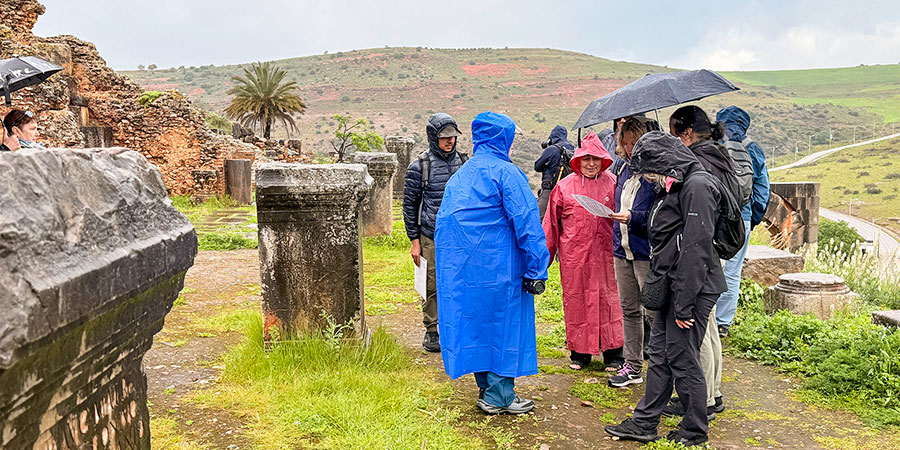
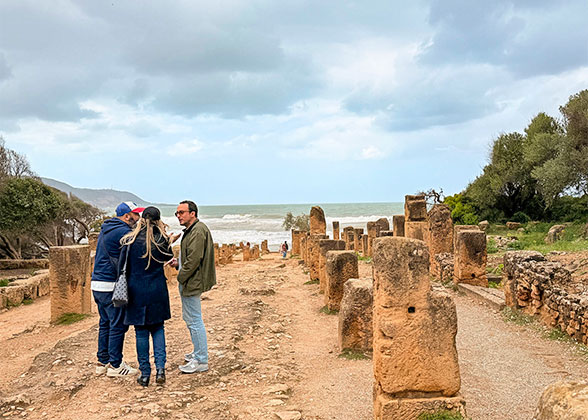
Tiddis Roman Sites in Rain
|
The central areas have the similar precipitation forms with northern part, but the average amount is moderate, about 34 mm (1.34 in) and distributed over 7 days in November. Another difference lies in that snowfall is possible in mountainous cities in high altitude like Setif. It occurs in one or two days; the snow in urban areas melts soon, but that on mountains might be accumulated and keeps for a longer time.
By contrary, the precipitation in the south is quite low, averaging 2 - 5 mm (0.08 - 0.2 in) for most desert cities; even the highest monthly rainfall in this region is only 11 mm (0.43 in) from 2 - 3 days in Ghardaia, never bothering you to care.
Occasional Strong Winds
Influenced by Mediterranean cyclones, both the intensity and frequency of winds might increase a little throughout Algeria in November, thus leading to negative impacts on tourism. The wind usually weakens as it goes southward. It once reached force 6 historically in northern Algeria. Strong winds might be accompanied by heavy rainfall, which brings down the sensible temperatures further and decreases the charm of coast. If unfortunately running into a rainstorm, you had better stay indoors. In the south, it may blow up the sand and cause dusty weather, so protective masks should be prepared.
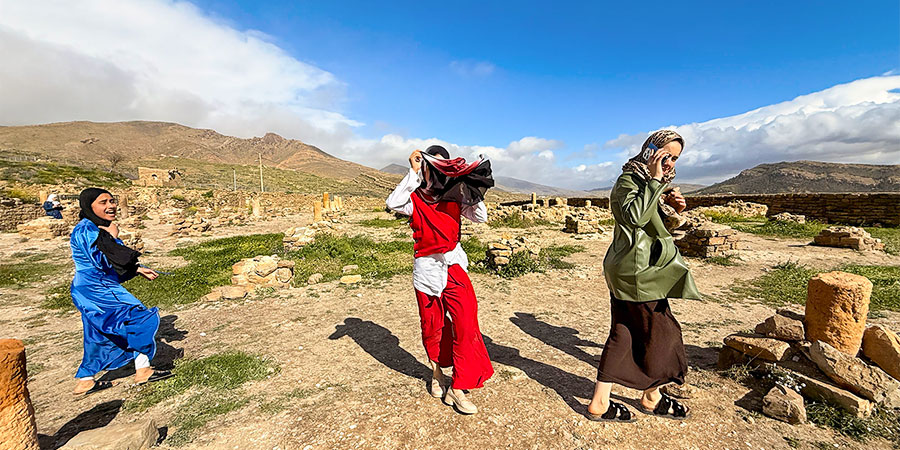
Windy Algeria in November
|
Insufficient Daylight / Sunlight Hours
From the beginning to the end of November, the sun rises increasingly later at 6:40 - 7:40 but sets earlier at 18:10 - 17:30. Consequently, the daylength keeps decreasing and becomes insufficient for day trips to far attractions like the southern Sahara. Even in south Algeria enjoying longer daylight duration, the daytime averages only 11 hours, only around 0.5 hours more than the north.The same is true for sunlight duration. It drops gradually from the south, to the central then the north, averaging 9, 7 and 6 hours per day respectively. The southern areas remain sunny with abundant sunshine; but due to frequent rainfall in November, the north experiences a quite short sunlight time, where over one third of daytime is overcast averagely. Meanwhile, the UV index is low at level 3 -5 and you don’t have to pay much attention to sun protection in most areas. But some southern cities like Tamanrasset and Djanet are the exceptions with the UV index of 7.
Is November a Good Time to Visit Algeria?
Well, the answer may vary from every visitor since it mainly depends on your personal preferences and concerns. You can make final decision after reading the following analysis.
|
|
|
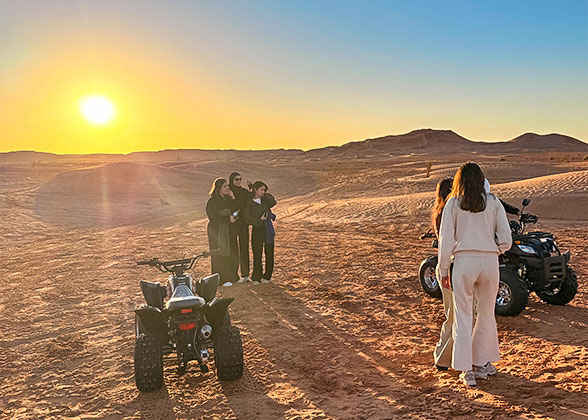
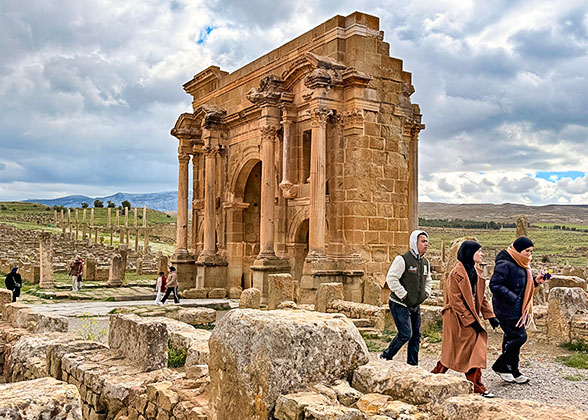
A large number of visitors choose November to make an Algeria trip primarily because it is one of the most pleasant months to visit desert areas. With moderate temperatures and sunlight intensity, you only sweat a little after hiking for a long time; it also saves you much effort on sunscreen measures. Besides, it is not bad to visit central and northern Algeria in this month like appreciating the famous Roman sites before the climate gets cold.
However, there do exist some disadvantages of visiting Algeria in November. Common rainy days and low sea temperatures averaging 19°C (66°F) in the north make a lot of seashore activities unavailable and the coastal scenery less attractive.
Packing Lists for Algeria Trip in November
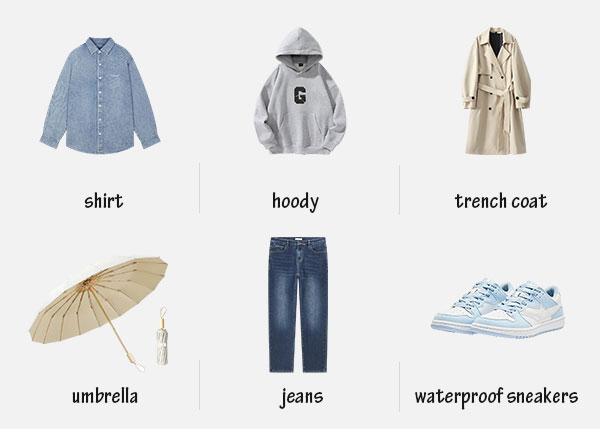
 Northern Part: Shirts, hoodies and knit wear can be worn alone on usual days, or matched with casual coats like leather jackets and trench coats when it rains. Jeans and sweatpants suit the temperatures well. Thick dress is also a nice choice for girls. Choose waterproof sneakers or prepare shoe covers for rainy days. Raingear like umbrella or raincoat is especially important as well.
|
Central Part: Except the clothes mentioned above, you need to prepare thick coats and fleece-lined trousers or long johns for night and early morning. 3-in-1 windbreakers are strongly advised since the different layers can be combined freely to deal with the fluctuating temperatures. Sneakers or walking boots are warm enough, but the soles should be anti-slippery to cope with the mountain slopes after rain.Southern Part: T-shirts and long-sleeved ones are good choices for upper body, then you can put on thick jackets or 3-in-1 windbreakers at night. Sunscreen items including sunglasses, sunhats and sunblock are still suggested for outings around noon. Also, remember to bring masks to cope with possible dusty weather. Travel Tips and Recommendations for Algeria in November
1. Considering the changeable weather of Algeria in November, you are suggested to pay close attention to weather forecast so that timely schedule adjustment could be made.2. It is more recommended to visit Algeria in early November rather than late days, to avoid possible large temperature drops especially in central mountainous areas. If you fail to travel there in the early half, be sure to prepare several layers of clothes.