

Algeria Weather in January
January is the local coldest month of the year, but instead of freezing, Algeria weather in January is mildly cold in general. This month is also included in the rainy season of Algeria and sees high precipitation, but most falls in the north, and the south remains dry. In some mountain areas, snowfall is possible and visitors could even see magnificent snow views. Amazigh New Year is celebrated on January 12, 2027 with a lively atmosphere.
Lowest Temperature of the Year, But No Severe Coldness
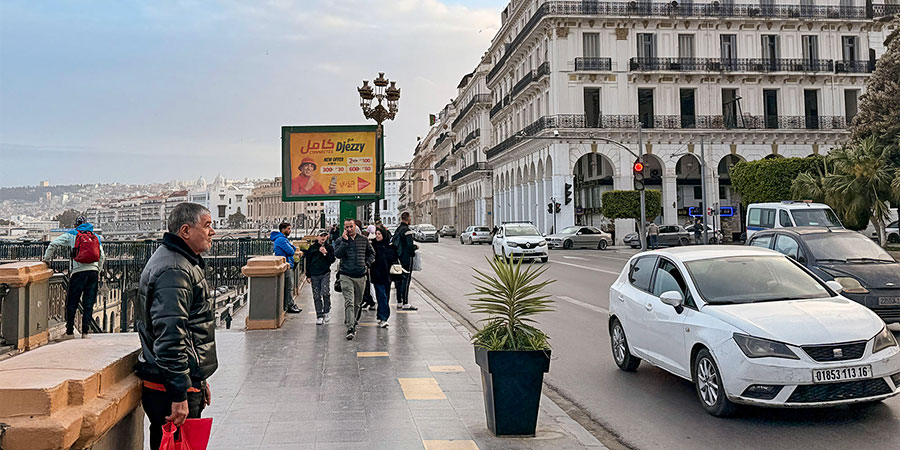
The whole Algeria experiences the yearly lowest temperatures in January, but not low enough to bring unbearable coldness. Besides, due to diverse terrains and altitudes, the weather of Algeria in January gradually transits from chilly to cold and then cool across the northern, central and southern parts.To put it more precisely, the north undergoes the daily high temperatures of 12 - 20 degrees Celsius (54 - 68 degrees Fahrenheit) and low values about 9 - 16℃ (48 - 61℉); it might give you a chill in the early morning and evening especially if it rains or blows. On occasions, the max temperatures climb over 22℃ (72℉), making the middays pleasantly warm.
Cold Algeria in January
|
However, quite different from the north, mountain areas and southern Algeria witness large diurnal temperature variations and fluctuations, but the actual feelings are the opposite. During January, the two parts both see sudden temperature rises and falls, so much attention should be paid to prevent catching a cold.
With daily highs ranging from 6 to 17℃ (43 - 63℉) and night lows from -5 to 8℃ (23 - 46℉), mountainous region is the coldest part of Algeria in January and visitors may shiver in the cold. For southern deserts, as the high temperature swings between 14 and 23℃ (57 - 73℉), the daytime is usually pleasant and a little cool sometimes, but with large drops to the range of 1 - 13℃ (34 - 55℉), the night becomes rather cold.
Much Precipitation, Little Snowfall
January is the peak rainy season in Algeria and receives the second highest precipitation yearly. Most of it falls in northern coastal areas and the capital Algiers could act as a good example: its average precipitation in this month is about 92 mm (3.62 in) distributed over 11 days. It implies the northern Algeria climate in January is rainy and humid. Luckily, the common precipitation form is light and moderate rainfall, allowing you to explore the old city Kasbah of Algiers with an umbrella, which is listed as the UNESCO World Heritage. Heavy ones might also occur, but very rarely.The remaining precipitation almost all falls in mountain areas. For example, the representative mountainous city Batna receives around 30 mm (1.18 in), not low seen throughout the year. The deserts sees the precipitation about only 3 mm (0.12 in) in January. Light rain dominates the two areas, but snowfall also happens, usually one or two days. The snow is light and rare in deserts, leaving only thin snow cover like gauze which melts soon. But in plateau areas, vast snow scenery on the mountains like Chréa even in the urban center of Setif might be seen.
Short Daylight / Sunlight Duration
Sunny Algeria in January
|
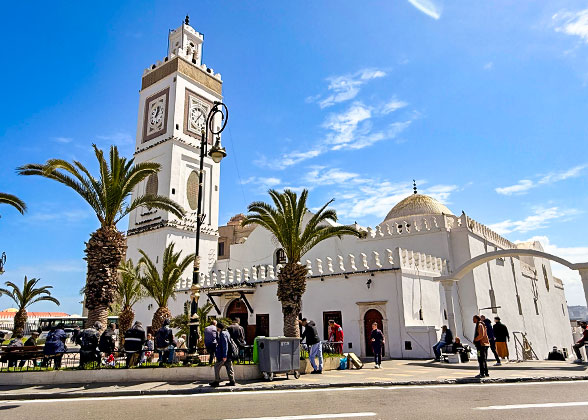
In the northern part, sunlight duration is about 6 hours per day of the 10-hour daylength averagely; while in the south, it is about 9 hours of 11-hour daylight time. It indicates the sunlight in southern deserts remains abundant and strong in January. Considering the long exposure and thin cloud cover, it is suggested to make sun protection if visiting this area though the UV index is at only 3.
Is January a Good Time to Visit Algeria?
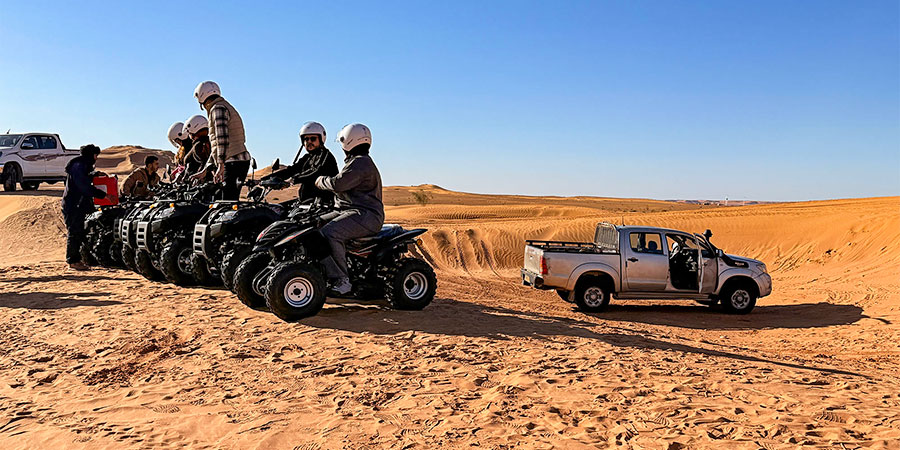
Seen overall, it is not a good choice to visit it in this month mainly because the climate of Algeria in January is unfavorable. Frequent rainy days decrease the charm of beaches in northern coastal areas, making them look gloomy, while the weather in mountainous areas is cold and changeable.However, if you primarily aim to explore the Sahara in the south, January is actually one of the good months. Deserts in January suffer from no burning heat but pleasant temperatures in most time. The scarce rainfall and plentiful sunshine always offer you a sunny trip with wonderful sunset.
Algerian Sahara in January
|
In addition, January usually coincides with Amazigh New Year which is on January 12 in 2027. During the festival, local residents put on their traditional costume and gather together to celebrate it by dancing and singing. You can participate in this characteristic festival and interesting activities so as to experience their unique culture in person.
Packing Lists for Algeria Trip in January
Northern Part:
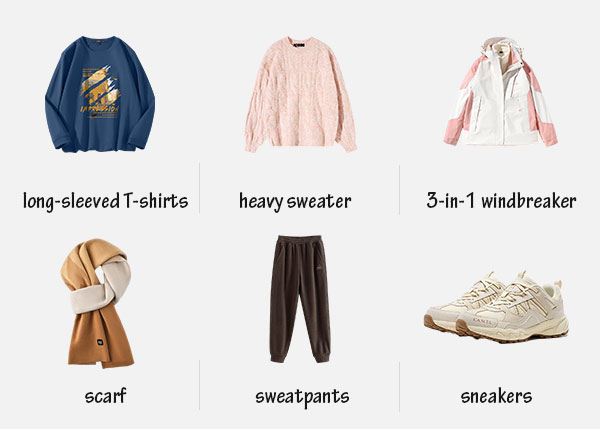
In spite of the mild weather, you are suggested to wear two layers so as to make adjustments conveniently. You can match the inner layer such as long-sleeved T-shirts, hoodies and knit wear with the outer layer like jackets, trench coats and woolen coats. For lower body, common trousers like jeans and sweatpants work well; thick and long dress with leggings is also a good choice for girls. Last, you had better wear non-slip shoes in view of the frequent rain.
|
Mountain Areas:
Multiple layers of clothes should be prepared to deal with sudden temperature drops and rises. Choose thicker inner layer like heavy sweater and fleece shirts or add one more bottoming shirt than in the northern part. 3-in-1 windbreaker is most suggested since you can combine the layers freely to suit real-time temperatures; woolen coats are also suitable. Don’t forget hats and scarves to prevent winds. You can wear the above mentioned trousers with long johns underneath or bring at least one pair of fleece-lined ones. The shoes should be thick and warm for common situations, but for appreciating snow, prepare anti-slippery ones or ice cleats.Southern Desert Areas:
Both summer clothes like T-shirts and winter dressing including 3-in-1 windbreakers even down coats are necessary; the former is for hiking at warm middays and the later for cold dusk and dawn. In terms of lower parts, choose casual trousers, but be sure to pack long johns for temperature drops. High-top walking boots and shoe covers are recommended to prevent sands getting in.Travel Tips and Recommendations for Algeria in January
1. Since the desert areas are vast, the specific temperatures of certain destination are of slight differences. Before you visit the deserts, be sure to check the precise temperatures and prepare clothes accordingly.2. During Amazigh New Year, the main streets and central square like Grande Post Office in Algiers are crowed. If you prefer tranquility, please choose other attractions like the Monument of Martyr and Algiers Port instead.