Trip Planning FAQs
What is the best time to visit Algeria?
If you are going to northern cities or mountainous areas, late spring from May to June and early autumn from September to October are the best times. If you plan to travel to oasis towns or the desert, October to May is the ideal time. The hot summer months from July to August are not recommended. Additionally, please check the local dates of Ramadan beforehand, as during the period, opening hours of tourist attractions may be shortened and most restaurants will open only after sunset.
Is it safe to travel to Algeria?
Yes, Algeria is a safe destination for tourists, and you don’t need to worry about pickpockets or robberies. You may encounter armed guards or police in places like old towns or markets, which does not mean there is a threat. It’s just the government measures to ensure your safety.
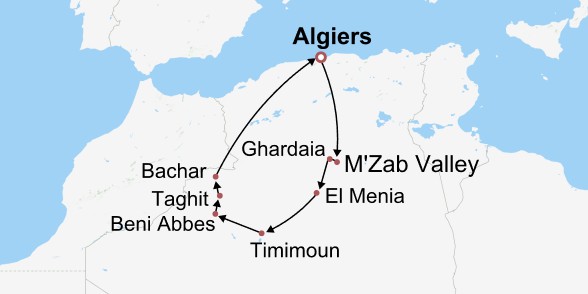
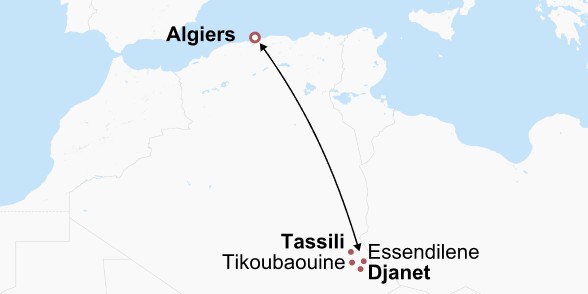
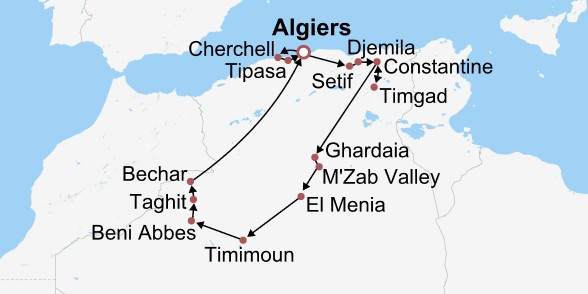
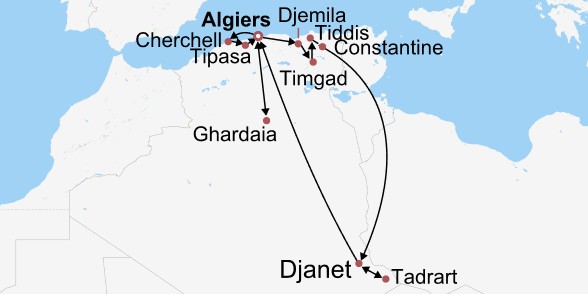
However, due to underdeveloped public transportation and infrastructure, most areas, especially Djanet, only 70 kilometers (44 miles) from the Libyan border, and Ghardaia, with a conservative social climate, are not suitable for independent travelers. As a result, we suggest traveling with an expert operator like us to handle transportation and guide arrangements conveniently.
What to pack for Algeria?
In addition to usual travel essentials, the following is something you should pay extra attention to:
1. Out of respect for the local Islamic culture, please do not bring pork products or alcoholic beverages into the country. When visiting religious sites such as mosques, female travelers may need to cover their arms, legs, and heads, and males should also avoid wearing shorts.
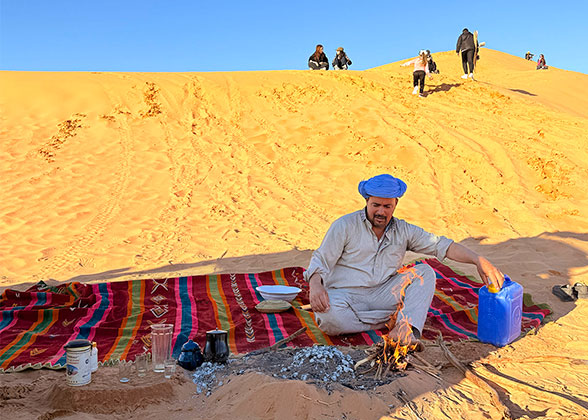
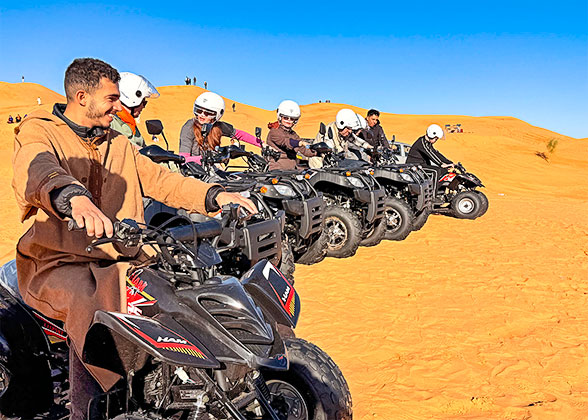
2. If you plan to go to desert areas, sun protection including sunglasses, sun hats or headscarves, and sunscreen are essential. Besides, be sure to bring breathable long-sleeved shirts and trousers, and boots to protect against sand and wind, as well as a large-capacity water bottle to stay hydrated.
What languages are spoken in Algeria?
Arabic and Berber are the official languages. Because of the colonial history, most Algerians can understand French as well. Currently, the government is promoting the use of English, but language barriers still exist for tourists from English-speaking countries.


 6 to 7 Days
 Algeria