


Da Nang Weather
Da Nang is situated in central Vietnam, bordering the South China Sea to the east, and features a tropical monsoon climate. The weather of Da Nang is never cold but generally warm, with temperatures rarely falling below 15 degrees Celsius (59 degrees Fahrenheit), though it can become quite hot during certain periods. The year is split into two distinct seasons: the dry season from January to July, and the rainy season from August to December. September to November is the peak typhoon season, so visitors are advised to check weather warnings ahead of travel.
Temperature
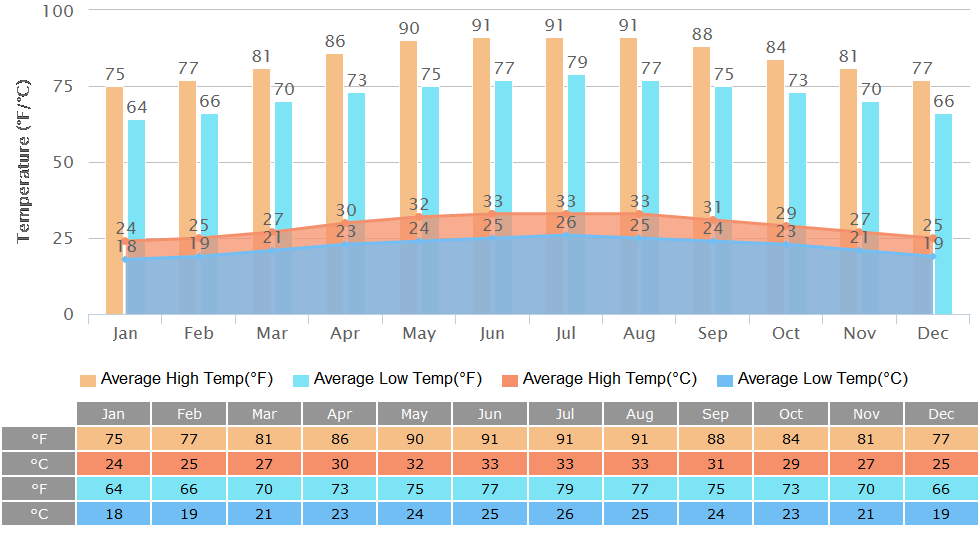
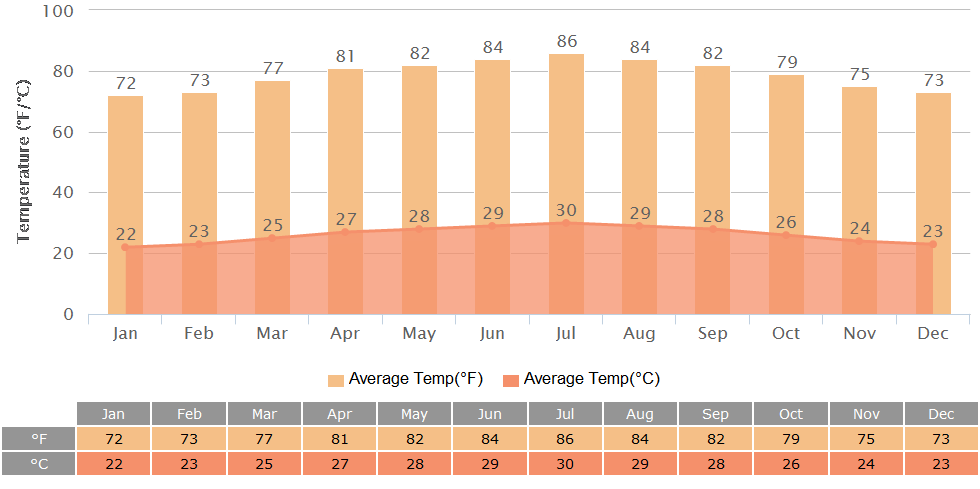
Thanks to its low-latitude location and the adjacent ocean’s natural moderating effect, Da Nang sees rare occurrences of extreme high or low temperatures. Daytime highs mostly range from 25 to 28℃ (77 - 82℉), while nighttime lows stay consistently between 21 and 24℃ (70 - 75℉). Outdoor activities are comfortable in most cases. Of course, Da Nang weather still varies slightly throughout the year, with some periods being relatively cooler and others noticeably hotter.When is the coolest time in Da Nang?
December to February is the coolest period in Da Nang throughout the year. High temperatures generally stay around 24 - 25℃ (75 - 77℉), making the outdoors as comfortable as an air-conditioned room. Low temperatures drop to 18 - 19℃ (64 - 66℉), and the sea breeze brings a gentle chill. Notably, temperatures on Ba Na Hills are 5 - 7℃ (41 - 45℉) lower than in the city center, so you may even need a thin down jacket for warmth.When is the hottest time in Da Nang?
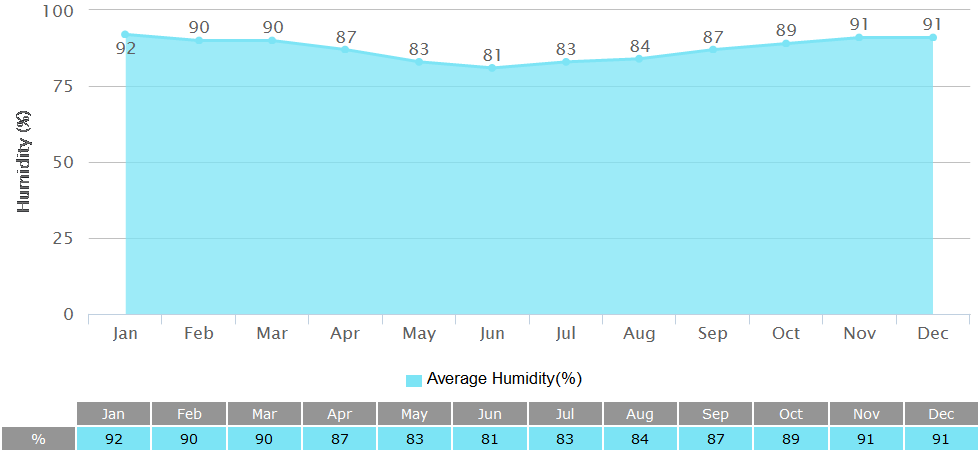
June to August is the hottest period in Da Nang. Daytime highs typically rise to 33℃ (91℉), and can occasionally reach 38℃ (100℉). Combined with the constant moisture brought by the ocean, it feels stifling and muggy, as if staying inside a sauna room. Nighttime lows hold around 26℃ (79℉), ideal for strolling through seafood streets in short sleeves, savoring late-night snacks and icy drinks.
|
|
|


Precipitation
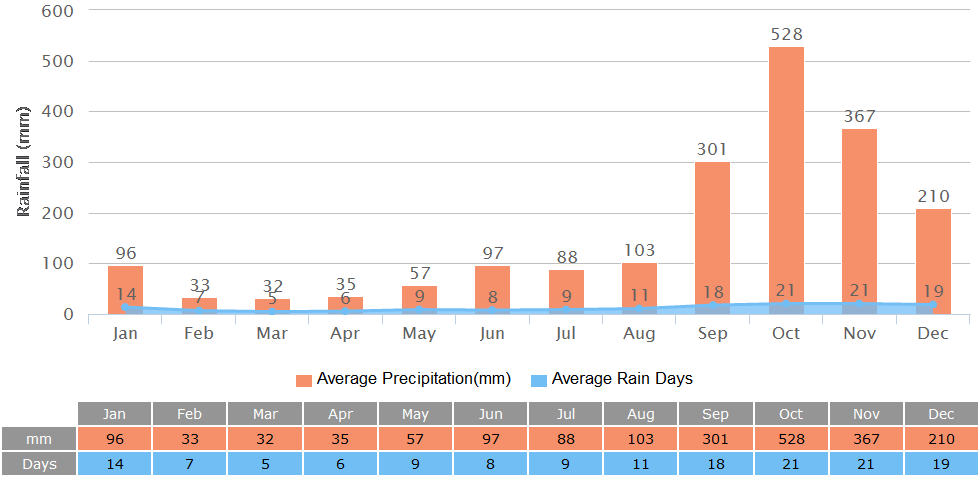
Average annual precipitation: 2,045mm from 145 rainy daysAbout 80% of Da Nang’s rainfall occurs in the rainy season of August to December. Each month in this period sees roughly 20 rainy days, with average monthly precipitation surpassing 200 mm and even exceeding 500 mm under extreme conditions. Yet there is no need to worry too much. Most of the rain comes in short showers that usually stop within one to two hours, rarely ruining your entire day. However, heading out in the rain is not advisable, as these downpours are so intense that they can leave you completely soaked even if you carry an umbrella.
Nevertheless, the rainy climate of Da Nang may occasionally be harsh: some intense downpours may last from dawn till dusk, or even linger unabated for days. For instance, in late October 2025, Da Nang was struck by a historically unprecedented torrential rainstorm, with daily rainfall exceeding 1,500 mm. It caused seawater intrusion that submerged nearly 8 kilometers of coastline, and widespread flooding inundated villages and triggered landslides. Locals and tourists were forced to take shelter on rooftops while awaiting rescue and evacuation.
By contrast, the dry season features generally scarce rainfall, with monthly precipitation mostly below 50 mm and fewer than 10 rainy days each month. On one hand, light drizzles won’t interrupt your outdoor activities - you can keep sightseeing with just a raincoat or an umbrella. On the other hand, when short but intense downpours occur, you only need to duck into in a street-side cafe for a moment; once the rain stops, you can continue your tour.
|
|
|

Typhoon Season
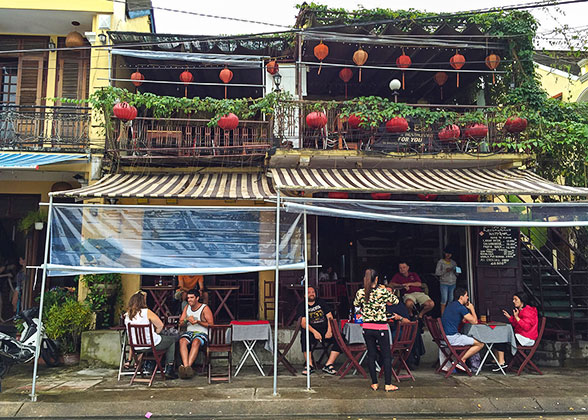
Da Nang’s typhoon season runs from September to November, with the city affected by an average of 3 to 4 typhoons each year. These storms bring not only extreme gales but also sustained heavy downpours. For instance, Typhoon Bualoi in September 2025 brought Category 11 winds that toppled power poles, resulting in widespread power cuts and internet outages. Daily rainfall reached over 600 mm, triggering severe floods and landslides that paralyzed local transportation entirely.Daylight / Sunshine Duration
Da Nang enjoys sunrise at 5:16 - 6:18 and sunset at 17:13 - 18:23 throughout the year, with daylight lasting 11 to 13 hours - generally ample for sightseeing. With an average of roughly 7 hours of sunshine per day, the city boasts excellent sunlight for most of time. This makes it perfect both for admiring the light and shadow inside the Marble Mountains’ caves and for taking photos of the Pink Cathedral.However, it is important to note that Da Nang has strong UV radiation all year round. The UV index stays above 11 for most of the year and only drops to around 9 at its lowest. Prolonged exposure can easily cause painful sunburn and peeling skin, and may even damage your eyesight. Therefore, proper sun protection is a must no matter when you visit, and you should not let your guard down even on cloudy or rainy days.
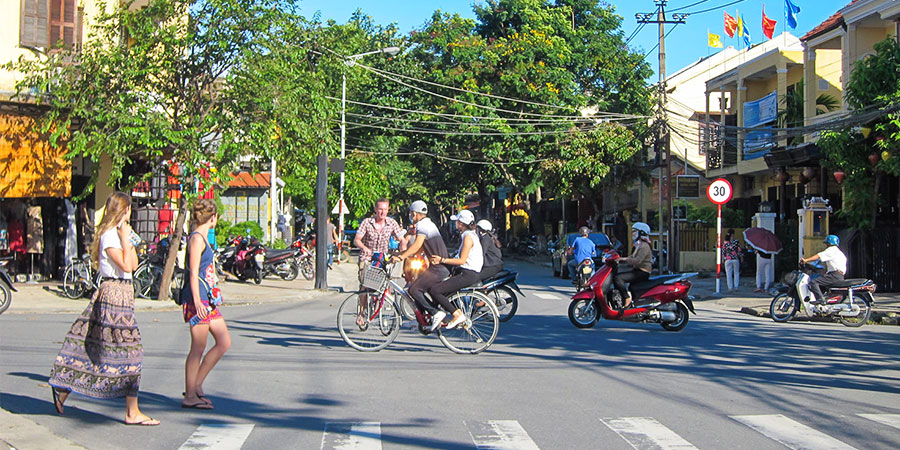
Sun-Scorched Da Nang Streets
|
January February March AprilMayJune JulyAugustSeptember OctoberNovemberDecember
Best Time to Visit Da Nang
January to April is the best time to visit, with Da Nang’s climate generally being its most favorable all year round.Firstly, daytime highs rarely exceed 30℃ (86℉), while nighttime lows stay above 20℃ (68℉). Whether sunbathing on My Khe Beach or cycling around the Son Tra Peninsula at noon, you will not be drenched in sweat; in the evening on Ba Na Hills, you will not shiver in the mountain breeze. Moreover, the seawater temperature hovers around 25℃ (77℉), comfortably warm for all kinds of water activities. Besides, this period sees very little rainfall and no typhoon risk, so your itinerary will not be interrupted by unexpected bad weather.
What to Wear for Visiting Da Nang
December to February: Da Nang weather is relatively cool. Pack shirts, long-sleeved tees, jeans, and casual trousers. Early mornings, late evenings and rainy days can feel chillier, so layer up with a trench coat or a knit cardigan. For Ba Na Hills, a 3-in-1 jacket is highly recommended - it blocks wind, repels light rain, and traps warmth.June to August: Stick to lightweight, breathable summer pieces, such as short-sleeved T-shirts, linen-cotton shirts, shorts, skirts, dress, and thin pants.
Other months: Outfits are much like those for June to August, though an extra thin coat should come in handy for crisp mornings and evenings. A long-sleeved sun-protective top works equally well, which can also be worn to shield you from UV rays at noon.
Footwear: Rely on sneakers, casual shoes, flat shoes, or hiking shoes. If you’re heading to the beach, also bring beach shoes, slippers, or flip-flops.
Travel Advices and Tips
1. You’re advised to avoid traveling to Da Nang during typhoon season. If you do plan to visit, keep a close eye on typhoon and flood alerts, adjust your plans accordingly, and stay away from periods with severe weather impact.2. Don’t schedule your days too tightly during the rainy season; leave extra buffer time for sudden downpours. Be sure to bring waterproof pouches to store your paper documents and electronic devices and protect them from water damage.
3. June to August sees scorching midday heat and strong sunlight. You’d better skip outdoor plans from 11:00 to 15:00 and explore indoor spots such as local handicraft stores and museums instead.
See Also:
You May Like
-
 7 Days Private Tour to Hanoi - Ha Long Bay - Ho Chi Minh City - Ben Tre - Ho Chi Minh City from USD1151
 -
 12 Days Private Vietnam In-Depth Exploration, with Da Nang Highlights from USD1811
 -
 22 Days Vietnam Private Tour with Hanoi - Ha Long Bay - Hue - Hoi An - Da Nang - Ho Chi Minh City and more from USD3237