


Best Time to Visit Da Nang
January to April is the Best Time to Visit Da Nang.
January through April marks the optimal window to visit Da Nang, as this period avoids sweltering heat and heavy rainfall, perfect for a full spectrum of travel pursuits including outdoor adventures, cultural experiences, and island getaways.
Comfortable Temperatures for Extended Outdoor Exploration
January to April offers mildest temperatures of the year. With daytime highs rarely topping 30 degrees Celsius (86 degrees Fahrenheit), you seldom have to duck into air-conditioned spaces to beat midday heat and can readily arrange varied outdoor activities: hiking in Ba Na Hills, coastal cycling across Son Tra Peninsula and immersive strolls through Hoi An Ancient Town. After an hour or two of outdoor exploration, you will only sweat lightly rather than heavily, with minimal risk of heat exhaustion; a cold drink is all it takes to cool down fast. Nighttime lows hold constant from 20 to 23℃ (68 - 73℉), creating refreshing crispness at dawn and dusk. Breezes strengthen along the Han River and coast for an extra chill, yet the temperature shift is easily managed with a lightweight jacket.
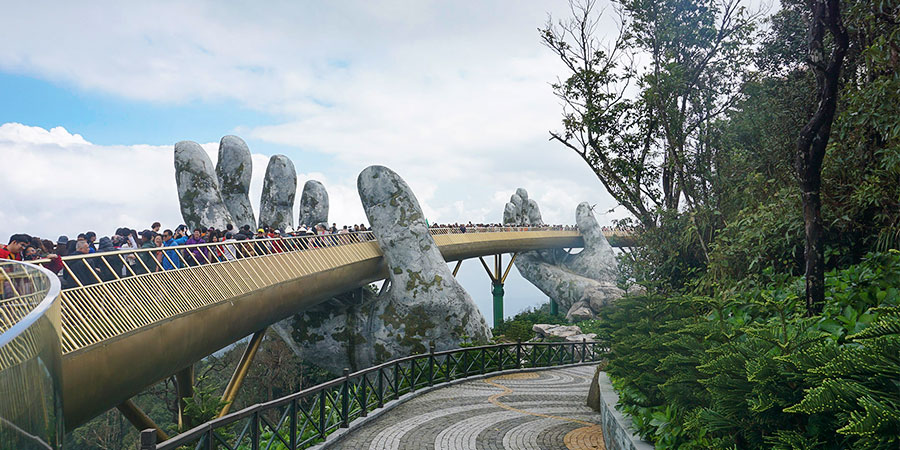
Explore Ba Na Hills in Cool Climate
|
Minimal Rainfall for Uninterrupted Travel Itineraries
From January to April, Da Nang enters its early dry season and sees the lowest rainfall all year round. Average monthly precipitation seldom exceeds 50 mm, with around seven rainy days each month. You are very likely to enjoy an entirely sunny trip: without dull overcast skies that ruin lighting, you can indulge in sunbathing at My Khe Beach; thanks to an absence of slippery rain-soaked paths, you can comfortably climb the stone steps of Marble Mountains.Even when occasional rain falls, it will hardly disrupt your travel plans. Precipitation during this period falls in two main types. The first consists of light drizzles that may linger for hours but remain gentle enough to continue outdoor sightseeing with just an umbrella or a raincoat. The second refers to brief heavy downpours; though intense, they usually stop within two hours and won’t trap you indoors for long. Overall, your travel itinerary can proceed smoothly, with minimal risk of disruptions caused by poor weather.
Prime Sea Conditions for Coastal Water Activities
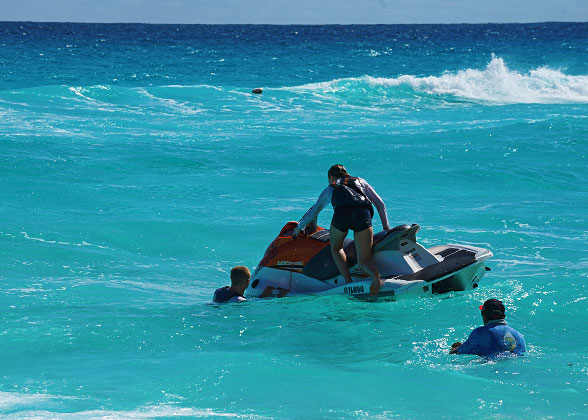
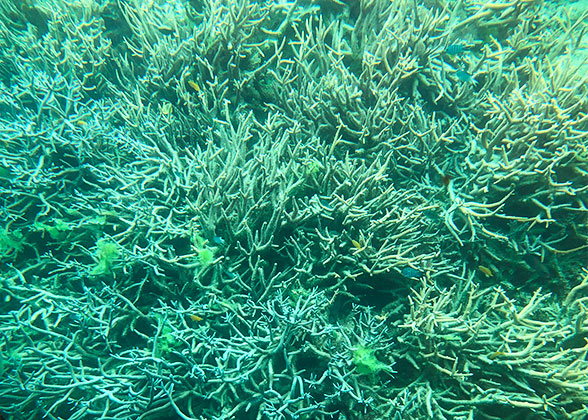
Da Nang boasts its most favorable marine conditions between January and April. Water temperatures rise steadily each month: the sea is relatively cool in January, making midday the optimal window for swimming under bright sunshine, while from February through April, waters warm to around 25℃ (77℉) - a comfortably mild level for aquatic activities. You can indulge in swimming, jet skiing and banana boat excursions at My Khe Beach without worrying about colds or painful muscle cramps. With calm seas preventing sediment from being churned up from the seafloor, underwater visibility reaches an impressive 15 to 20 meters. Such pristine waters are ideal for snorkeling and diving, offering unobstructed sightings of vivid schools of fish and thriving coral formations.
|
|
|
Authentic Festive Vibe for Immersive Local Culture
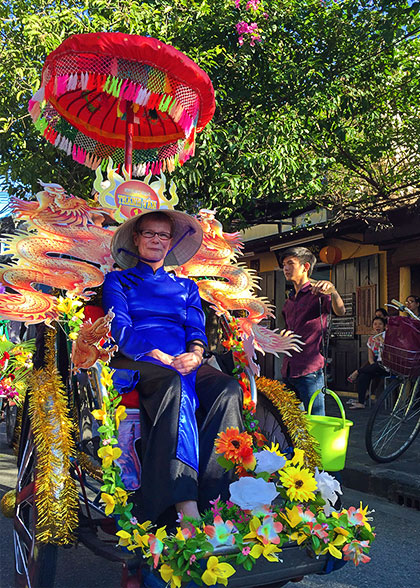
Immerse in Da Nang's Festival Atmosphere
|
Free dragon and lion dance processions fill city thoroughfares to the thunderous beat of drums and gongs. Linh Ung Pagoda hosts a sacred 108-chime bell ritual crafted to dispel everyday worries and pray for lasting peace and good fortune in the new year. Da Nang’s famed Dragon Bridge rolls out extended fire-and-water fountain shows each night at 21:00, where surging golden fire dragon sprays create an awe-inspiring sight. Neighboring riverside plazas host multi-night galas spotlighting genuine Vietnamese folk tunes, dances, and classic traditional operas. Son Tra Peninsula bursts with bustling holiday bazaars stocked with handmade crafts, delicate Ao Dai embroidery, zodiac ornaments, and an array of authentic local treats.
Peak, Shoulder and Off Seasons for Visiting Da Nang
Peak Season from December to February
The weather in December is comfortably mild, with pleasant temperatures and modest rainfall as the rainy season winds down. Such ideal conditions attract plenty of travelers, and the festive breaks for Christmas and New Year from many countries further fuel a travel surge. January and February have long been Da Nang’s best time to visit, where tourists gather in large numbers. When Tet comes around, local tourism hits an even bigger peak.However, peak travel season does come with a few drawbacks. For one thing, prices for local services rise universally, and tickets of all kinds become difficult to secure. We suggest drawing up your budget well ahead of time. Flights and accommodation should be booked one to two months in advance, while entry tickets and tables at popular restaurants require reservations two to three days prior. This will keep you from encountering sold-out slots and last-minute price hikes as your trip nears. For another, major commercial districts and tourist attractions are packed with visitors, so you can barely enjoy a peaceful and relaxing trip. If crowds are not your preference, you may choose other travel periods.
Shoulder Season from March to July
From March to July, Da Nang remains in its dry season: monthly rainfall stays below 100 mm, with fewer than 10 rainy days each month on average, so wet weather rarely disrupts travel plans. Nonetheless, this is the city’s shoulder season, primarily due to intense heat. Daytime highs commonly exceed 30℃ (86℉), soaring to 38 to 40℃ (100 - 104℉) on the hottest days. Combined with humidity close to 90%, the air grows sweltering and oppressive, much like a sauna. You may prefer to stay indoors rather than head out in the midday sun. Even after dark, temperatures stay at 28 - 30℃ (82 - 86℉), and lingering humidity creates an uncomfortable sticky feeling. Therefore, many travelers choose to steer clear of Da Nang at this time of year.
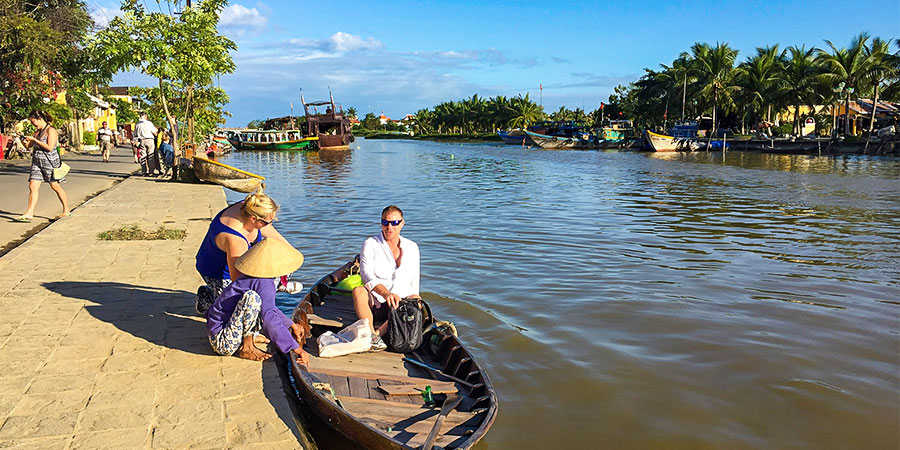
Da Nang in Sweltering Sunshine
|
Furthermore, public holidays gradually come to an end, leading to a sharp drop in tourist arrivals. The local tourism scene is nowhere near as bustling as it was in the early months of the year.
Of course, the shoulder season has plenty of distinct advantages. With far fewer visitors, you will encounter no long queues at major scenic sites, nor need to compete for the best vantage points at popular photo spots. You can go through your entire itinerary at a relaxed pace. Meanwhile, prices for local services and goods drop to affordable levels. Therefore, as long as you tailor your schedule flexibly and alternate between indoor and outdoor activities based on the real-time weather, you will easily enjoy a quiet, crowd-free trip with excellent cost-effectiveness.
Off Season from August to November
August to November marks Da Nang’s low travel season. Aside from the muggy weather that compromises travel comfort, the main issue is that this period coincides with both the rainy season and typhoon season.On the one hand, rainfall surges sharply, with average monthly precipitation topping 300 mm across most months and around 20 rainy days each month. That means you will very likely run into rain during your trip, bringing greater uncertainty to your itinerary. On the other hand, the region is hit by roughly one typhoon per month on average. If a typhoon strikes while you are here, your entire travel plan may be thrown into disarray: flights will be delayed, public transport will suffer widespread disruption, and tourist attractions will close. Worse still, typhoons bring torrential downpours and fierce winds, triggering hazards including flooding, landslides and falling rocks that pose severe threats to personal safety. For this reason, you should exercise extreme caution when visiting during this period.
You May Like
-
 9 Days Private Tour to Ho Chi Minh City - Mekong Delta - Ben Tre - Hoi An - Hue - Hanoi - Ha Long Bay from USD1521
 -
 22 Days Private Vietnam In-Depth Exploration, with Da Nang Highlights from USD3237
 -
 12 Days Vietnam Private Tour with Hanoi - Ha Long Bay - Hue - Da Nang - Hoi An - Ho Chi Minh City - Can Tho from USD1811