

Jigokudani Snow Monkey Park
When you travel to Nagano, Japan, there’s one place you really shouldn’t miss: Jigokudani Monkey Park, commonly known as the Snow Monkey Park. It was featured on the cover of US Life magazine and has appeared in BBC nature documentaries, making it one of Japan’s must-see attractions.Hidden in a deep mountain valley at the foot of Shiga Kogen, it is the only place in the world where you can see wild monkeys bathing in hot springs. In deep winter when snow falls, the fluffy red-faced Japanese macaques, also called snow monkeys, curl up in the warm water, looking cute and amazing. Every year, tourists from all over the world come here specially just to see this sight with their own eyes.

Key Highlight: Snow Monkeys Soaking in Hot Springs
The must-see at Snow Monkey Park is the snow monkeys bathing in hot springs. Unlike captive monkeys in zoos, the troop here lives completely freely. Soaking in the springs is a habit they developed entirely on their own - with no human guidance, and never for staged performance.
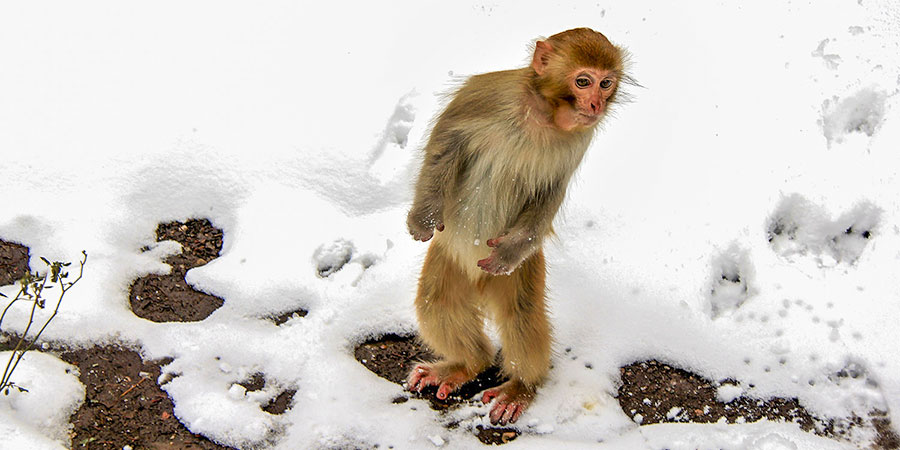
Jigokudani Snow Monkey Park
|
There are two charming local tales about how this habit began. One says that in early years, guests at hot spring inns in the valley would bathe there regularly. After watching for a long time, the monkeys followed suit and snuck into the water to stay warm. The other story is even more delightful: a young monkey first climbed into the pool to fetch a fallen apple. It accidentally found the warm water so comfortable that it refused to leave, and gradually the whole troop picked up the habit. Later, for hygiene and safety reasons, the park built a dedicated hot spring pool exclusively for the monkeys.
Their talent for mimicry goes beyond this. A few years ago, a mischievous monkey snatched a tourist’s mobile phone. The little monkey sat soaking in the warm water, tapping at the screen just like a human - an amusing scene that’s hard not to smile at. The moment was captured by chance, and the photo later won an international wildlife photography award, making these “hot spring monkeys” even more famous worldwide.
Best Time to Visit
The best time to see snow monkeys bathing in hot springs is from December to March each year.For the monkeys, this is more than just a comfort - it is their way of getting through the winter cold. December to March marks the depths of winter in Nagano, with low temperatures and thick snow blanketing the mountains. To fend off the chill, the monkeys spend noticeably longer time in the warm waters each day. You can almost always find the troop in the pool throughout the day.
What’s more, the snow-covered mountains paired with soft mist rising off the water create a rich, atmospheric scene across the forest and poolside, one that no other season can match. Once the weather warms up, the monkeys rarely step into the pool and spend most of their time foraging in the woods.
Friendly Reminder: Visiting around 1:00 PM is especially recommended. At this time, park staff feed the monkeys at a designated spot, so the whole troop gathers near the pool. This is the time of day when the largest number of monkeys gather in one area. After feeding, they lounge in the water or rest on the banks in their most relaxed state, ideal for visitors to observe them at a leisurely pace.
What Else Can You Do Here?
The charm of Snow Monkey Park extends far beyond its famous hot spring monkeys.First, it is a year-round destination for observing wild Japanese macaques, offering clear insights into primate behavior. You enter the park along a 1.6-kilometer (1-mile) forest trail lined with informative signboards, which detail the macaques’ social hierarchy, parenting behaviors and group habits. In spring, you can see the tender sight of baby monkeys clinging tightly to their mothers; in summer, the troop stays active, climbing through the woods and playing in shallow water; in autumn, when the mountains are covered in red foliage, the monkeys busy themselves foraging for nuts to store for winter. Each season brings its own unique scenery.
Second, the park sits in the heart of Kanbayashi Onsen. After visit, you can walk to the nearby century-old hot spring villages, explore the nine traditional public bathhouses in Shibu Onsen and soke up the charm of Japanese hot-spring leisure, and sample local specialties like Shinshu soba noodles and onsen manju. Winter visitors can also head to Shiga Kogen Ski Resort, a 30-minute drive away, to enjoy snow activities. Blending wildlife observation, onsen relaxation and winter sports, it makes for a rich and fulfilling mountain getaway.
Opening Hours
April to October: 8:30 - 17:00November to March: 9:00 - 16:00
Note: The park is open all year round with no scheduled holiday closures. However, it may close temporarily during extreme weather, though such occurrences are very rare.
Admission Fees
Aged 18 and above: 800 yen per person (USD 5)Aged 6 to 17: 400 yen per person (USD 2.5)
Under 6 years old: Free of charge
How to Get to Snow Monkey Park?
Located roughly 35 kilometers (22 miles) northeast of central Nagano, the park is a 45-minute direct ride away on the Nagaden Snow Monkey Express Bus, which stops directly at the bus stop near the park’s trail entrance.Alternatively, you can travel by train with a bus connection: take the Nagano Electric Railway Line to Yudanaka Station. After exiting the station, transfer to a local bus, which arrives at the Jigokudani Snow Monkey Park Bus Stop in about 15 minutes. You can then enter the park on foot.
Tips
1. Please keep a safe distance of at least 1 meter (3.3 feet) from wild macaques. Feeding or touching the troop is strictly prohibited throughout your visit. Avoid staring directly at the monkeys’ eyes for long periods, making loud noises, or making sudden movements. Do not carry food openly, as this may attract the monkeys and trigger scuffles.2. If a monkey snatches your belongings, do not pull or struggle with it. Monkeys have no interest in non-food items. You can contact on-site staff afterwards for assistance in retrieving your items.
3. Selfie sticks, drones and flash photography are not permitted in the park. Do not deliberately approach or lure the macaques for photos, so as not to disturb their natural behavior.
4. It is not recommended to bring large luggage up the mountain. Lockers are provided at the park entrance. We advise storing your bags and hiking light for a more comfortable visit.
5. There are no public restrooms along the mountain trail. We recommend using the facilities at the public rest area by the trailhead in advance.
6. The access trail includes sections of stone steps. In winter, the path can easily become icy and slippery. Please wear non-slip, warm footwear and bring sufficient cold-weather clothing.