

Hakuba Valley
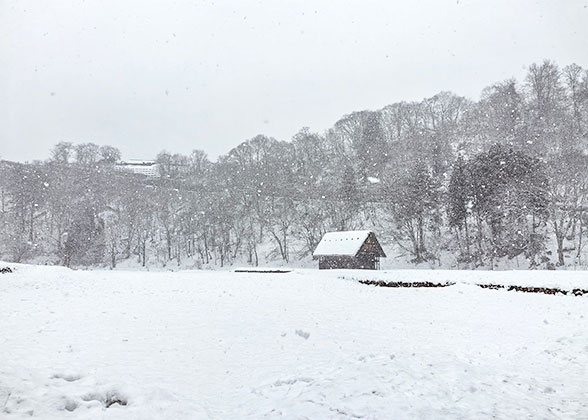
Snowy Landscape of Hakuba Valley
|
It has an average annual snowfall of around 11 meters (36 feet), and its fine, dry powder snow has long been renowned in skiing circles. Ten distinct ski resorts are scattered across the valley, equipped with 146 ski lifts and over 200 runs. Ranging from gentle beginner slopes to Olympic-level competitive courses, there are suitable options for skiers of all skill levels.
What’s more, Hakuba Valley is more than just a winter ski destination - it is a rewarding mountain retreat all year round. In spring, wildflowers bloom across the hills; in summer, visitors hike into the mountains to escape the heat; in autumn, the slopes are covered in vibrant red foliage. After a day of skiing, you can also soak in nearby mountain hot springs. In short, it offers a one-stop experience for nearly all the highlights of a Japanese mountain holiday.
Top 5 Popular Ski Resorts
Hakuba Valley is home to 10 ski resorts in total, but you don’t have to feel overwhelmed by the options - simply choose one based on your skiing ability and travel needs. Below we’ve compiled the most popular core resorts among visitors for your reference.
Tsugaike Mountain Resort: Best Pick for Beginners & Families
Widely recognized as the most beginner- and family-friendly resort in Hakuba Valley, Tsugaike features a 1,200-meter (0.7-mile) wide beginner slope at the base, with an average gradient of just 8 degrees. Its open, gentle terrain makes it a reassuring choice for first-timers practicing skills and families skiing with children.A 4-kilometer (2.5-mile) gondola lift runs directly to the mountain top, offering sweeping views of the snow-clad Northern Alps. There are also intermediate and advanced runs at the top for skiers looking to advance their skills. In addition, the resort has a dedicated kids’ snow play area, plus full on-site facilities including dining options and ski gear rental at the base.
One thing to note: the accommodation villages stretch 2.5 kilometers (1.6 miles) along the valley. When booking a stay, we recommend choosing one close to the resort entrance, and keep an eye on the last bus departure time for your return trip.
 Ski season runs from late November to early May. Daily operating hours are 8:00 - 17:00, with no regular night skiing. A one-day adult ticket costs 8,200 yen (USD 51).
Happo-One Ski Resort: Best for First-Time Visitors & Groups of All Levels
If you’re visiting Hakuba Valley for the first time or traveling with a group of mixed skiing abilities, Happo-One is your safest choice. It is the most famous and well-established resort in Hakuba Valley, and served as the official venue for alpine skiing at the 1998 Nagano Winter Olympics.Boasting a vertical drop of 1,071 meters (0.7 miles) and a longest run of 8 kilometers (5 miles), it covers everything from gentle beginner slopes to advanced competitive courses - skiers of all levels can find terrain suited to them. It is conveniently located right next to Hakuba Happo Bus Terminal, just a 5 to 10-minute walk away. The base area is fully equipped with restaurants, shops, and even a childcare service, making for a hassle-free visit.
Ski season runs from early December to early May. Daily operating hours are 8:00 - 17:00, and 7:30 - 17:00 on public holidays. There is no regular night skiing, though it opens on select holidays, so please check the official website in advance for specific schedules. A one-day adult ticket costs 8,700 yen (USD 55).Goryu & Hakuba 47 Ski Resorts: Famous for Freestyle Park & Night Skiing
If you want ride a freestyle park by day and ski under the light at night in one trip, the Goryu + Hakuba 47 combination is the perfect pick. The two resorts connect directly at their summits. A single joint ticket lets you ski back and forth between them, eliminating the hassle of exiting the slopes and catching a shuttle bus.Goryu focuses on gentle beginner and intermediate runs, and features the largest night skiing area in Hakuba Valley. The slopes are freshly groomed every evening before night sessions. It is ideal for beginners to practice skills and soak up the night skiing atmosphere. Hakuba 47 is home to the valley’s top-tier freestyle terrain park, and it also has the longest ski season in Hakuba.
Ski season runs from late November to early May. Goryu operates daily 8:00 - 17:00; Hakuba 47 operates 8:00 - 16:20. Night skiing is only available at Goryu, from 18:00 to 21:30. A one-day adult joint ticket costs 9,500 yen (USD 60), valid for both resorts.Hakuba Cortina Ski Resort: Perfect for Low Crowds & Premium Powder
Hakuba Cortina is a lesser-known ski resort in Hakuba Valley, boasting best natural powder quality. Tucked at the far northern end of the valley, it sees the highest average annual snowfall across the entire area. Relying exclusively on natural snowfall, it delivers fine, dry powder, with tree runs as its standout feature.Thanks to its remote northern location, it draws far fewer visitors than the popular core resorts, so lift lines are basically non-existent. The resort has a bowl-shaped layout, with all runs converging at the Green Plaza Hotel at the base, offering true ski-in, ski-out access with no need to haul gear back and forth. You can also purchase a joint ticket with the neighboring Norikura Ski Resort for access to more terrain and better overall value.
|
|
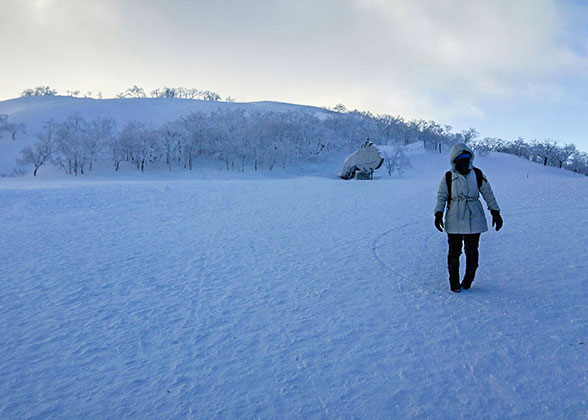
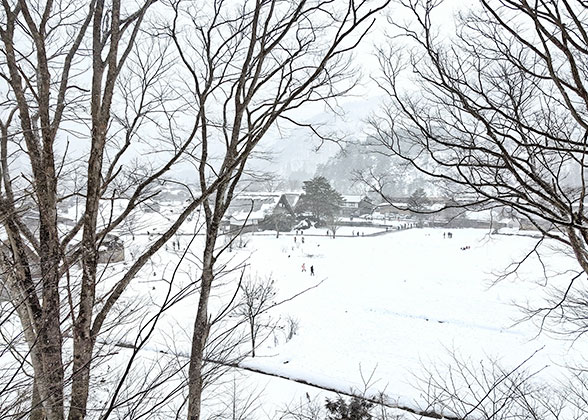 Ski season runs from mid-December to early April. Daily operating hours are 8:30 - 17:00. Night skiing is available from opening day through mid-March, running 17:00 - 20:00, and extended to 21:00 on weekends and public holidays. A one-day adult ticket costs 6,200 yen (USD 39).
Warm Reminder:
1. Operating hours for all ski resorts in Hakuba Valley may have minor adjustments based on snowfall and weather conditions. We recommend checking the official website for daily lift status before your visit.2. Early-bird tickets go on sale ahead of each ski season, priced 20 - 30% lower than regular peak-season rates, making this the most cost-effective opportunity to buy all year. Tickets purchased via official online channels are also generally cheaper than those at on-site ticket counters.
3. Discounted rates apply to children around 6 - 12 years old and seniors aged 65 and above.
4. If you plan to visit multiple resorts, the Hakuba All-Mountain Pass offers better value than buying separate tickets for each location.
How to Get to and Get Around Hakuba Valley?
The most popular way is to take the Hokuriku Shinkansen to Nagano Station, then transfer to the Hakuba Express Highway Bus, which reaches Hakuba Happo Bus Terminal in about 75 minutes. Alternatively, you can take a JR line to Matsumoto Station, then transfer to the JR Oito Line to Hakuba Station. This route generally takes longer and costs more, so it is not recommended unless you have specific travel needs.Once you arrive at Hakuba Happo Bus Terminal, you’ll mostly rely on shuttle buses or taxis to get to and from the ski resorts. The closest stop, Echoland, is just 5 minutes away, while the furthest, Cortina, is about 40 minutes away; all other stops are reachable within 15 - 30 minutes. When you get off at your stop, you’re just a short walk from the slopes. If you arrive at JR Hakuba Station first, it’s just a 5-minute walk to Hakuba Happo Bus Terminal.
Off-Season Activities
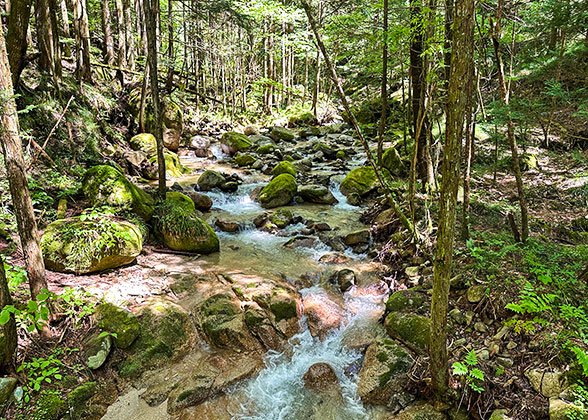
Trekking in Green Season
|
For nature sightseeing, take the cable car to the Happo-One summit and hike to Happo-ike Pond. Along the way, you can view over 300 species of alpine plants and enjoy sweeping views of the Northern Alps. From late September to mid-October, the mountains are covered in vibrant autumn foliage, making it a well-known fall viewing spot in Nagano.
If you prefer outdoor sports, you can try mountain biking at Iwatake, or enjoy water activities such as kayaking and SUP at the Nishina Three Lakes. Natural hot springs are scattered throughout the valley, perfect for a relaxing bathing after a day of exploring.
Tips
1.Paths can easily become icy in winter. Please bring non-slip shoe covers.2. UV radiation is intense in snowy environments. Wear goggles and use adequate sun protection.