

Tokyo Weather in November
Season: late autumn; red maple leaves season
The weather in November in Tokyo is mostly sunny, with the temperature changing from cool to somewhat cold, overall suitable for sightseeing and hiking. Without much rainfall, it feels neither dry nor humid. Red maple leaves sway in the autumn wind, attracting visitors from all over the world.
 See also: Japan Weather in November

What is the temperature in Tokyo in November? How cold is it?
As for the daily lows, they drop from around 15℃ (59℉) to 10℃ (50℉) this month. Besides, it should be noted that the temperature changes a lot within a day, especially on sunny days, when the temperature difference can reach up to 10℃ (18℉). So, even on days that have quite comfortable daytime, you are advised to add clothes as night falls.
In mountainous areas, the temperature is much lower. When the winds blow, the actual feeling can be chilly.
Does Tokyo get snow in November?
No, it doesn’t snow in Tokyo in November. Usually, the first snow comes in December at the earliest, and January and February are the snowiest months.
Besides, there is not much rainfall in November, averaging 85 mm (3.3 in) distributed on 7 days. Even if it rains, it doesn’t last too long each time. Rarely is there continuous rainy weather throughout the day. Short-term heavy rain occurs occasionally; in most cases, it rains lightly. Therefore, outdoor travel is usually not affected. Just note the decreasing perceived temperatures in and after the rain. Air humidity gradually gets lower with the soughing wind, with an average value of 57%.
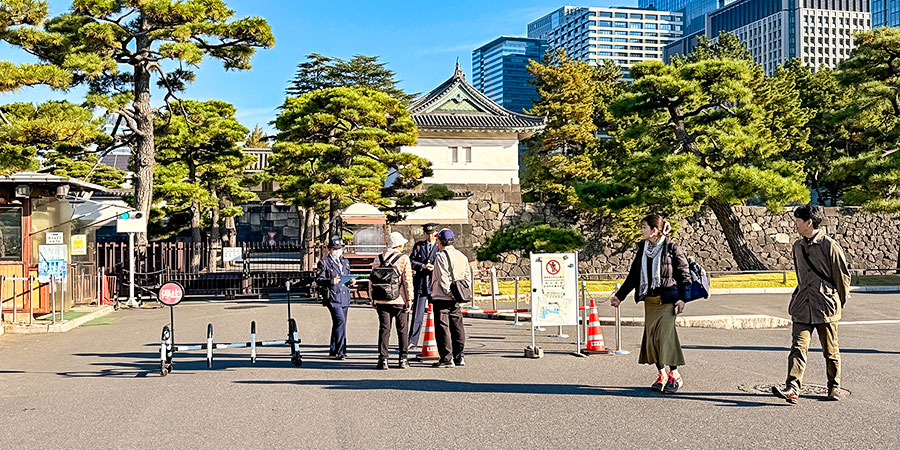
Quiet Imperial Palace
|
Sunshine & Daylight
Thanks to the relatively low rainfall, Tokyo gets ample sunshine in November. Most of the time, the sky is clear and cloudless, and high visibility provides an excellent experience for visiting both landscapes in downtown and the red leaves in the suburbs. This is also true of admiring Mount Fuji in the distance.
However, only around 10.5 hours of daylight is available this month. The sun doesn’t rise until 6:03 – 6:31 and sets as early as 16:28 – 16:46. Some attractions like Meiji Jingu Shrine close earlier according to the quick sunset. Therefore, it’s advisable to make a reasonable plan in advance and begin your day trip early to make full use of the daytime.
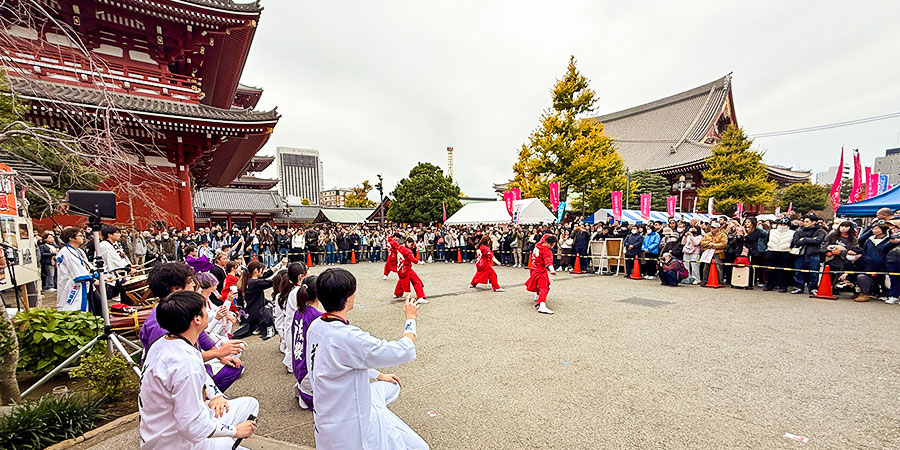
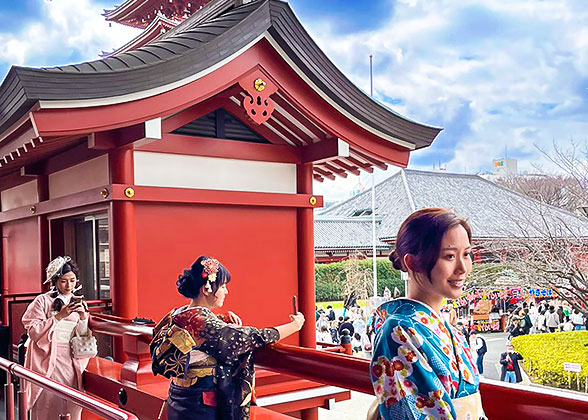
Celebrations at Senso-ji Temple
|
Is November a good time to visit Tokyo?
November is absolutely one of the best times for a Tokyo trip: First, the climate is cool and sunny overall; second, it’s the peak season for stunning fall foliage in Tokyo.
However, as a high season, it is crowded and somewhat expensive, especially at hot destinations like Senso-ji Temple, Nakamise-dori Street, Meiji Jingu Shrine, Imperial Palace, Tokyo Disneyland, etc.
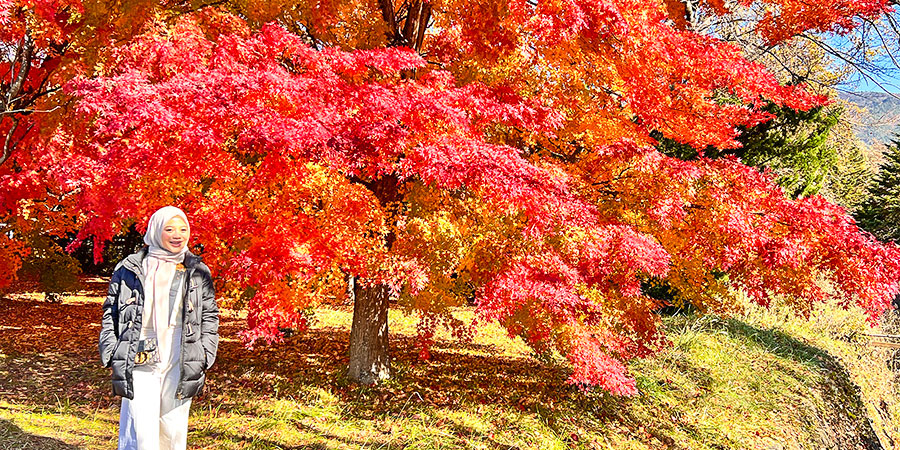
Leaves near Lake Kawaguchi
|
What clothes to wear in Tokyo in November?

|
Bottom: It’s recommended to wear sweatpants. If you are afraid of the cold, choose thicker ones.
Shoes: A pair of comfortable sneakers is great for you to walk around.
Accessories: Wear a cap to protect your head from the wind when you appreciate red leaves in the suburbs.
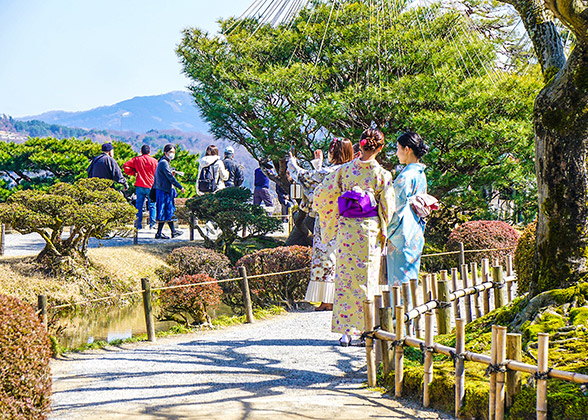
Special recommendation: While visiting historical sites and appreciating the red maple leaves in Tokyo, it must be a good experience wearing Japanese traditional clothing, kimono. You can easily rent one from any rental shop.
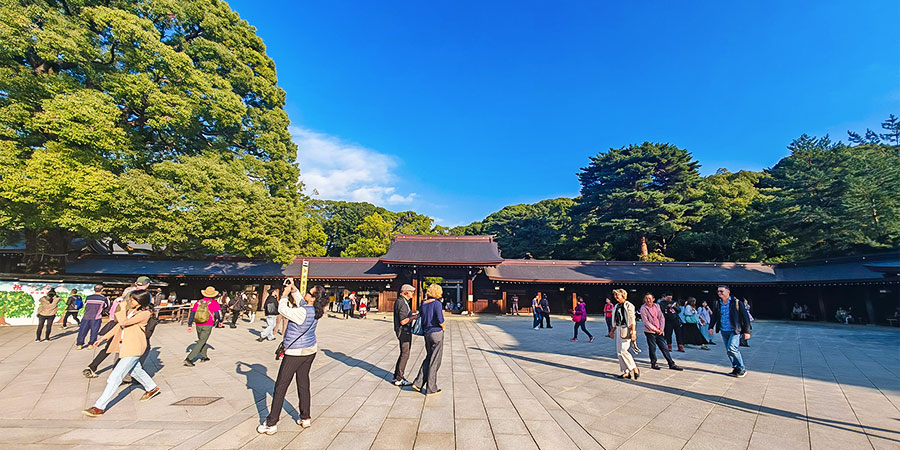
Meiji Shrine with Many Visitors
|
Chase Fall Foliage in Tokyo in November 2026
Fall foliage season in Tokyo begins in late October and peaks at the end of November. Not only red maple leaves, but yellow ginkgo leaves are also attractive. Top destinations for autumn leaves in Tokyo include:1. Shinjuku Gyoen National Garden
It boasts the most varieties of red leaves. Over 400 maple trees are intertwined with ginkgo trees, which welcome their best viewing period in late November. It would be a pleasant experience to have a picnic with your family or friends by then, just like what locals do. In addition, Chrysanthemum Flower Beds Exhibition is held here from November 1 – 15 every year.
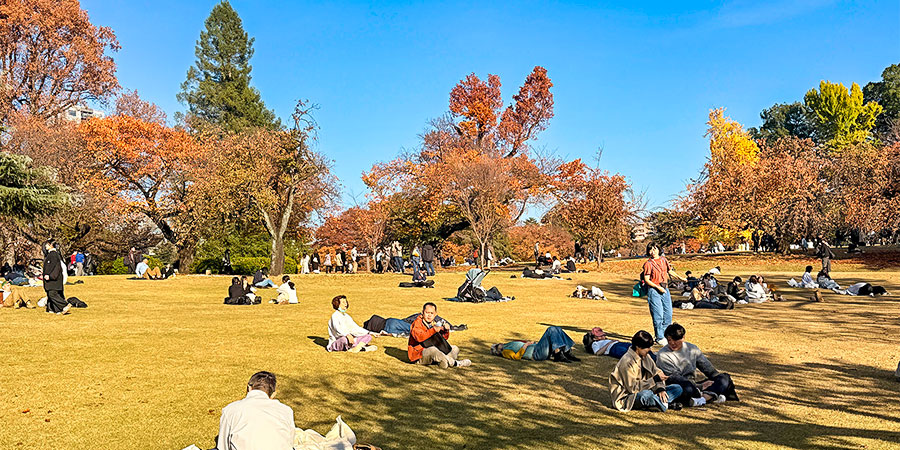
Shinjuku Gyoen National Garden
|
2. Rikugi-en Garden
Around 450 maple trees are planted here. Under the sunshine, red leaves reflect in the lake, making it a stunning sight. Watching autumn leaves in the night light is a specialty. Besides, the tea room is set inside the garden for people to enjoy the tea while appreciating the scenery. You can go there around mid-November for the best fall foliage.
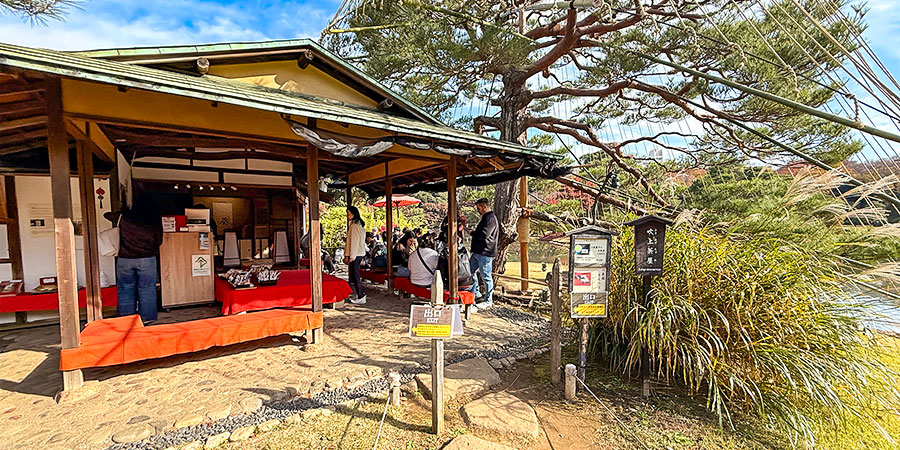
Have a Break at Tea Room
|
3. Mt. Takao
It’s the best destination for appreciating leaves while hiking in mid-November. If you don’t like hiking, you can also take the cable car, where you can overlook the red leaves covering the whole mountain. The mountaintop offers a distant view of Mount Fuji.4. Lake Kawaguchi
A unique scenery combination, red leaves with Mount Fuji, can be seen here. Besides, the Autumn Leaves Festival will be held from late October to late November along the Maple Corridor. It’s a special experience to appreciate the leaves in the night light. Golden ginkgo leaves are also available there.Learn More:
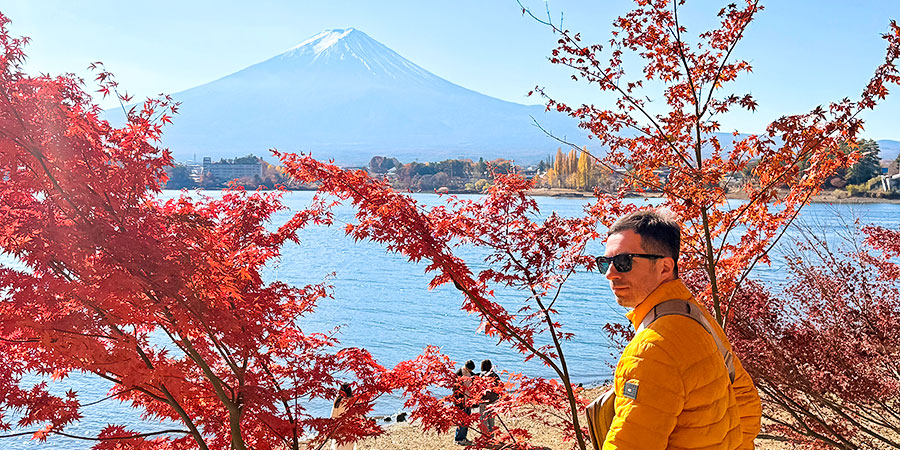
Mount Fuji with Red Leaves
|
1. You need to be prepared for the crowds in Tokyo during this peak travel season. For example, it will take you some time to move forward on the Ginkgo Avenue at Meiji Jingu Gaien during the best viewing period for fall foliage. If possible, choose weekdays instead of weekends to visit popular destinations; within a day, early morning is the best choice.
2. For attractions requiring a ticket, like Shinjuku Gyoen National Garden, you’d better make a prior reservation. Otherwise, you have to queue up for a long time to get one on-site.
3. The specific best viewing time for autumn leaves varies among different scenic spots. Mountain areas with lower temperatures usually see red leaves earlier than urban attractions. It is recommended to recheck related information 1 - 2 weeks before departure: Japan Fall Foliage Forecast.
Other recommendations and tips for Tokyo trip in November
2. The Chrysanthemum Festival is celebrated from early to mid-November at Yushima Tenjin Shrine to pray for health, when you can see more than 2,000 Chrysanthemum flowers blooming.
3. After appreciating the leaves, it’s a good choice to taste in-season food like grilled sanma and matsutake sukiyaki hotpot.
4. For shopping enthusiasts, don’t miss Black Friday Deals in November, when food, clothes, and other goods are all on sale. Popular destinations include Ginza, Shibuya, Akihabara, etc.
Tokyo Weather by Month