
- Kansai International Airport
- Itami Airport
- Osaka Metro
- City Bus
- Express Bus
- Sightseeing Bus
- Water Bus
- Osaka Taxi
- Osaka Station
- Namba Station
- Umeda Station
- Shin-Osaka Station
- Metro & Bus Pass
- Kansai Railway Pass
- Kansai One Pass
- JR-West Passes in Kansai
- JR West Passes – Kansai Plus Neighboring Areas
- Kansai Airport to Osaka
- Kansai Airport to Kyoto
- Osaka to Kyoto
- Kansai Airport to Nearby Cities
- Attractions
- Transportation
- Weather
- Tour Planning
- Photos
- Videos
Osaka Transportation
Osaka boasts a well-developed public transportation network, making it easy for travelers to explore both the city itself and neighboring destinations across the Kansai region. Most visitors arrive in Osaka by plane, where Kansai International Airport and Itami Airport serve as the city’s two major air gateways. For long-distance intercity journeys, Shinkansen bullet trains and long-distance highway buses are the primary options. Once you are in Osaka, a well-connected combination of metro, JR lines, private railways, and buses offers the most convenient and cost-effective way to get around.
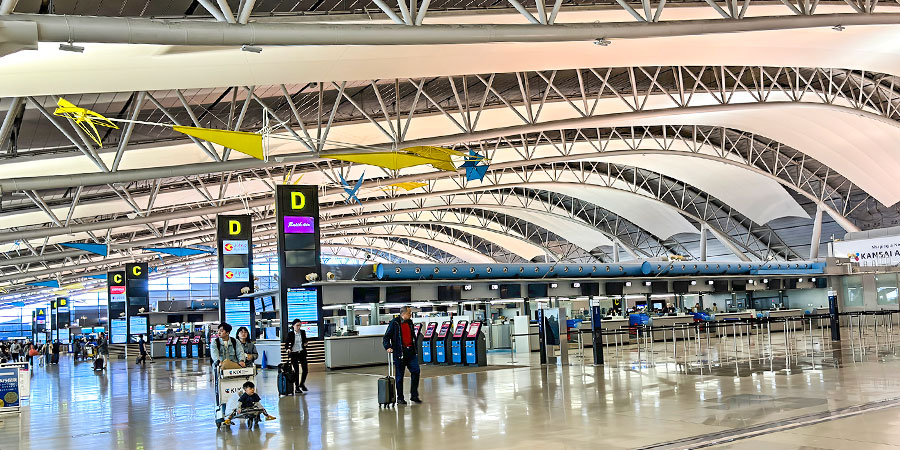
Kansai International Airport
|
How to Get to Osaka?
For most overseas travelers, flying is the most direct way to enter Osaka. Those arriving from Asia, Europe, North America and other parts of the world will typically land at the Kansai International Airport. As Kansai’s key international entry hub and Japan’s third-largest international airport, it links to over 100 cities worldwide and also operates a small number of domestic flights. However, Kansai Airport sits roughly 50 kilometers from the central Osaka, taking around one hour to reach the city center.
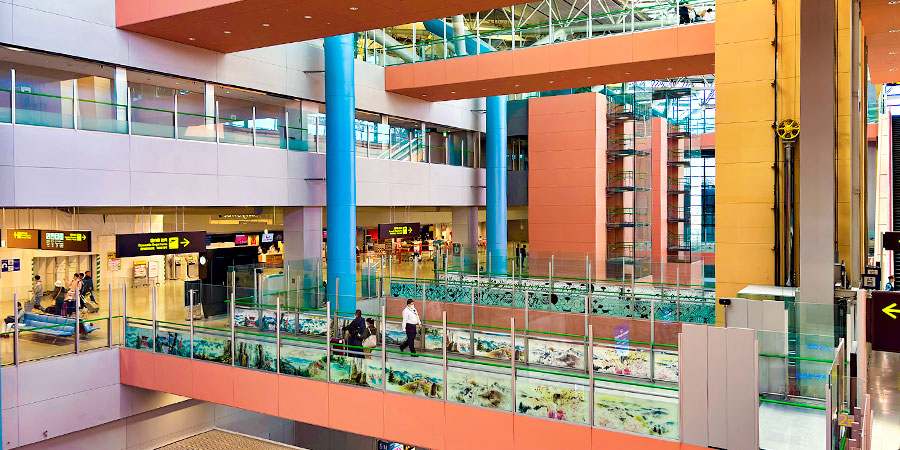
Terminal 1, Kansai International Airport
|
For domestic travelers coming to Osaka from Tokyo, Kyoto and Nagoya, the Shinkansen bullet trains is the top choice. With Shin-Osaka Station serving as its main stop in Osaka, its greatest strength is speed: the journey from Tokyo to Osaka takes merely two and a half hours, delivering a fast and hassle-free trip. However, Shinkansen tickets come with a relatively high price, costing two to three times more than regular JR trains for the same distance.
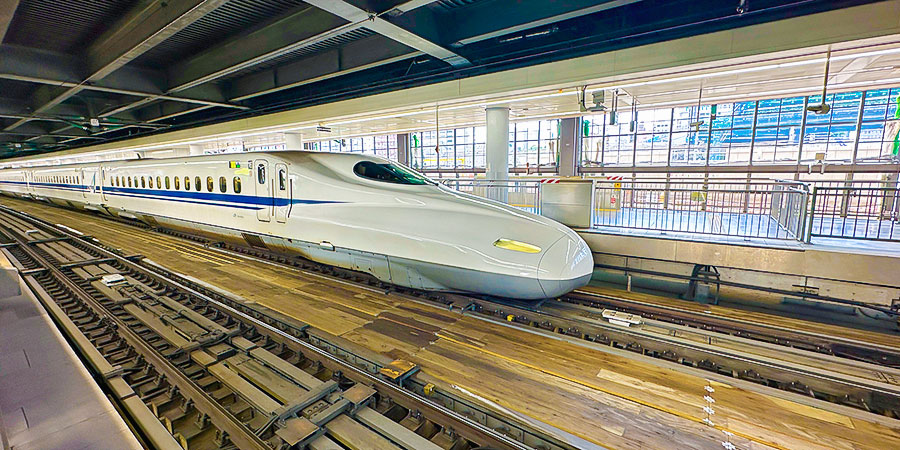
Shinkansen Train in Osaka
|
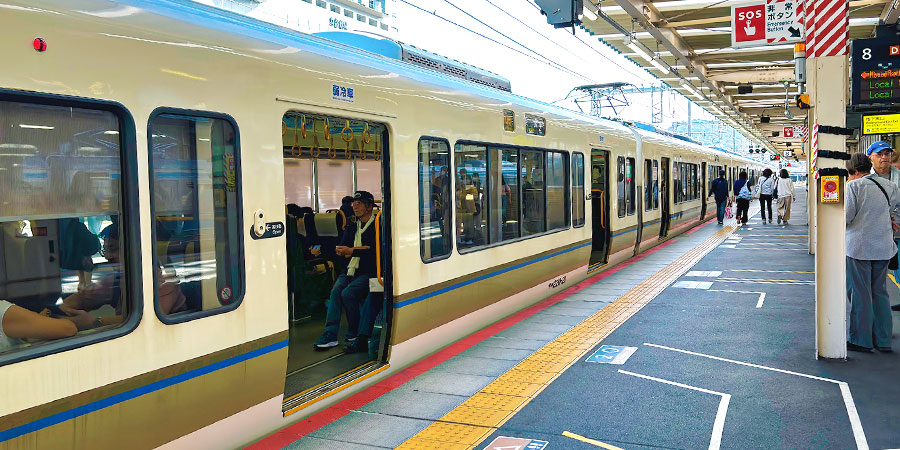
JR Train in Osaka
|

How to Get around Osaka?
1. Osaka Metro, JR, and Private Railways – Covering Most Travel Needs
While Osaka’s metro, JR and private railway lines are run by separate operators, they interconnect to form a complete rail network. This network covers almost all major attractions inside Osaka, and it also provides access to many popular destinations across Kansai region.The metro serves as tourist’s primary means of getting around Osaka. Every line has its own number and color, which makes it simple for first-time visitors to tell them apart. As Osaka’s key transport artery, the red Midosuji Line connects major stations like Shin-Osaka, Umeda, and Namba, along with a host of tourist sites and major commercial districts. The purple Tanimachi Line covers the eastern part of the city and runs directly to historic landmarks including Osaka Castle Park and Shitenno-ji. If your travel activities are largely within Osaka city, the metro will satisfy most of your requirements.
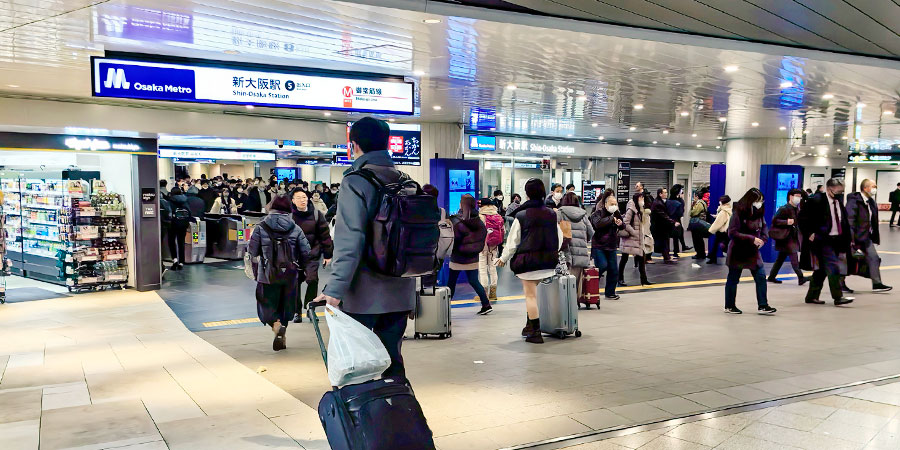
Shin-Osaka Station of Osaka Metro
|
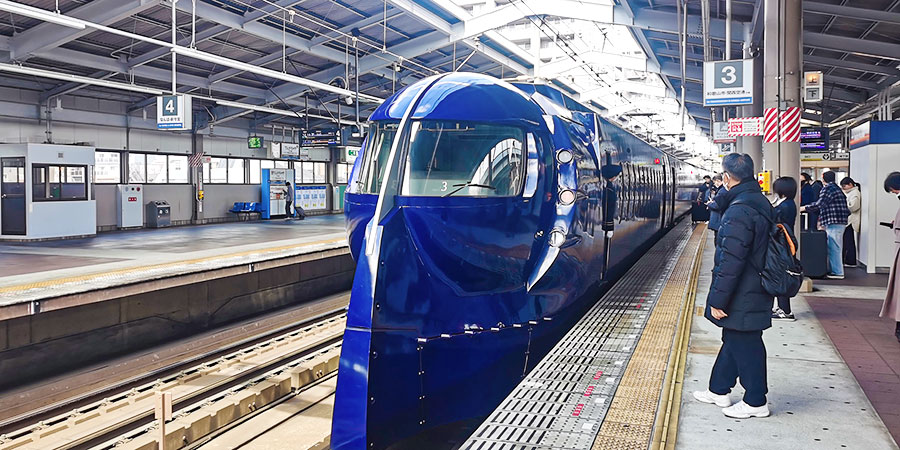
Private Train of Osaka
|
2. Buses – Complementing the Rail Network
Osaka’s regular city-run buses wind through local neighborhood streets, allowing visitors to wander deeper into parts of the city for a more immersive experience. Additionally, double-decker sightseeing buses offer another great option, letting first-time visitors gain a quick impression of Osaka. These one-hour rides take you past many major city landmarks, with on-board commentary that shares background stories to help you learn more about Osaka.
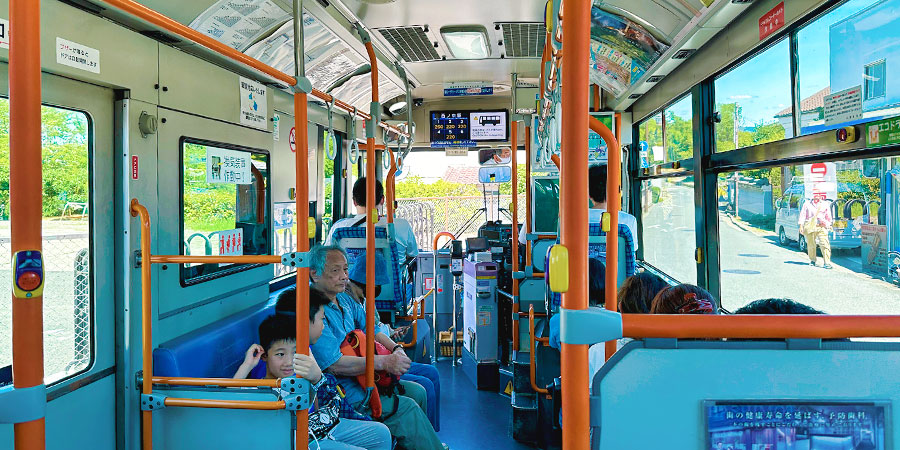
Osaka City Bus
|
3. Taxi – Convenient yet Expensive
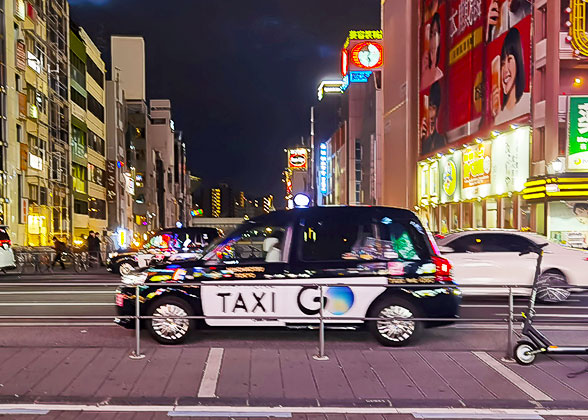
Taxi in Osaka
|
Osaka taxis come in several body colors including black, yellow and green. You can flag down a passing taxi when spotting the red “vacant” sign near its windscreen, or when the taxi’s roof light glows at night. There are also official taxi stands at main exits of major transport hubs, large hotels and commercial districts, where you can queue up for your ride. When hailing a cab is not practical or you are some distance from a taxi stand, mobile apps such as Go and Uber offer an alternative. Both services accept payments via credit cards and Apple Pay for a smooth checkout process. Moreover, your existing overseas Uber account still works within Osaka. It is necessary to mention that taxis cost considerably more than public transport for the same journey, at roughly three to five times the price.
How to Pay for Public Transportation in Osaka?
1. IC Cards – Wide-reaching and Efficient
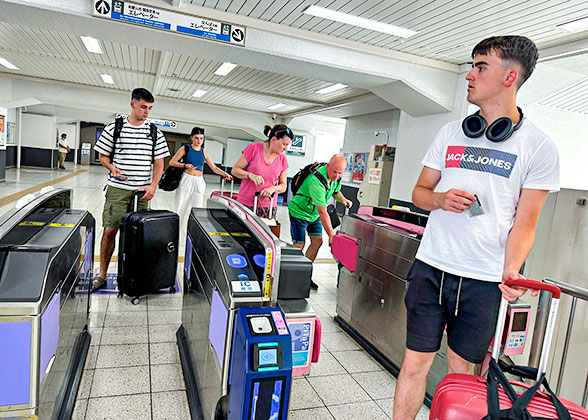
Swipe an ICOCA Card to Enter the Ticket Gate
|
If you already hold SUICA or PASMO from previous trips, these cards work seamlessly in Osaka. For iPhone users, a virtual ICOCA can be added to Apple Wallet, enabling you to tap your phone at station ticket gates and complete top-ups online.
2. Contactless Card Payment – No Card Application Required, Tap and Go
Contactless card payment is a relatively new travel payment solution, removing the steps of applying for a transit card and pre-loading funds. Ticket gates across Osaka Metro, some JR lines and private railways support this tap-to-use function.You may use compatible Visa, JCB and Mastercard credit, debit or prepaid cards directly against gate readers. Apply Pay and Google Pay linked to these cards also work, which offers great convenience if you already hold a contactless-enabled card and prefer not to get an extra transport card. While practical, it is not available at every station gate, so you’d better keep an ICOCA card or some cash on hand as a backup.
3. City Passes – Unlimited Rides for Valid Periods, Choose Based on Your Needs
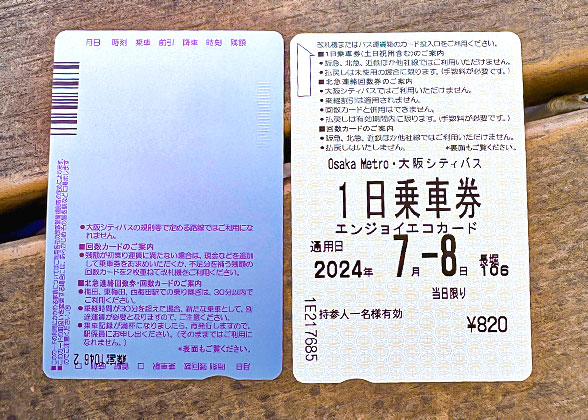
Osaka Metro 1-Day Pass
|
Given these limits, paying as you go via ICOCA or contactless cards tend to work better for most travelers. In fact, city passes deliver solid value mainly for packed itineraries with frequent public transport trips, where your travel area falls inside the pass coverage. In contrast, they rarely save money for less busy schedules. With that in mind, please double check a pass’s eligible services and validity periods before purchasing one. Avoid taking inconvenient routes just to get your money’s worth, as unnecessary detours can waste considerable time and energy.
Know more about the passes: