


Best Time to Visit Hustai National Park
When is the Best Time to Visit Hustai National Park?
June to August is the best time to visit Hustai National Park throughout the year because of the favorable factors including good weather conditions, wonderful natural views, rich tourist activities as well as higher chances to see wild animals.
Hustai National Park during June to August enjoys the most pleasant climate of the year. With daytime high temperatures usually hovering between 15 and 28 degrees Celsius (59 - 82 degrees Fahrenheit) and night lows ranging from 8 to 17℃ (46 - 63℉), visitors feel neither burning hot nor severely cold most of the time. Meanwhile, even if it’s the local rainy season, precipitation is not high, leading to little disruption on your schedule; instead, it makes the park free from extreme dryness. In addition, quite long daylength provides visitors sufficient sightseeing time and abundant sunshine allows them to capture nice photos.
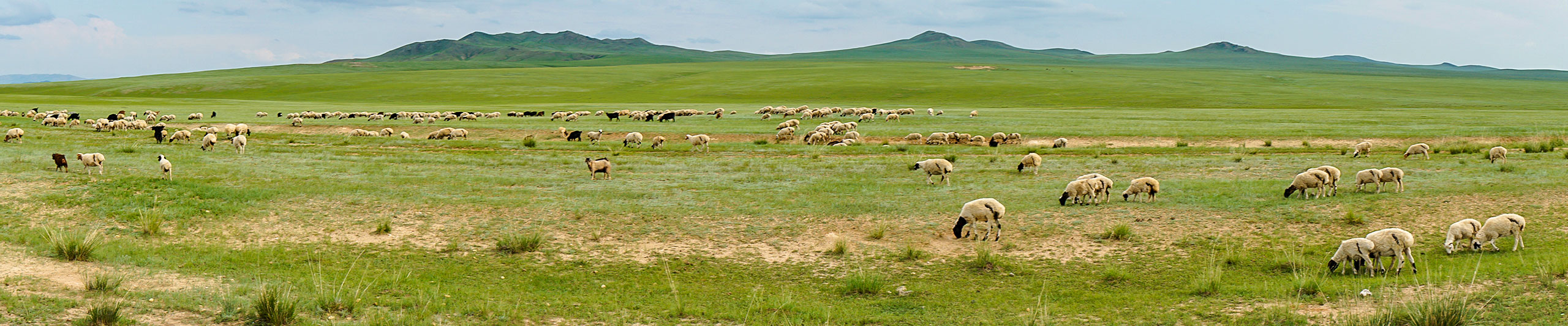
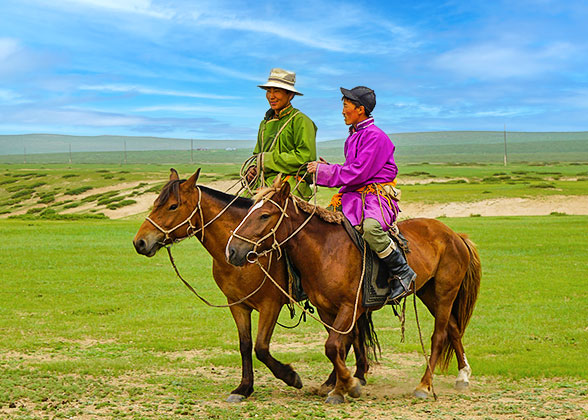
Besides, the vibrant scenery in summer is a great feast for the eyes. During this period, as the grass has grown high and green enough, a luxuriant grassland is presented. You can see the completely melted Tuul River runs gently across the vast landscape, glittering under bright sunlight.
|
|
|
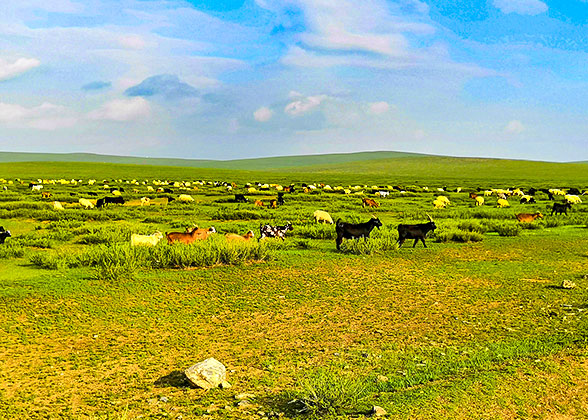
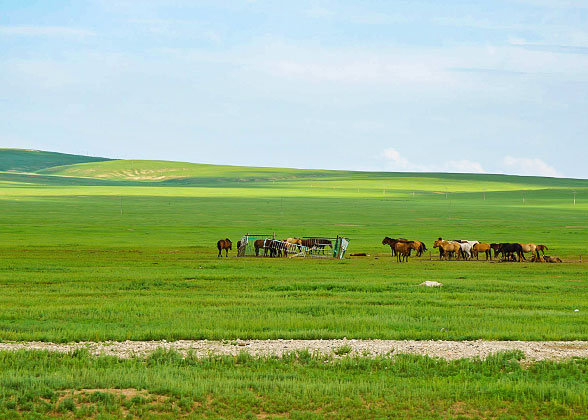
More importantly, it is relatively easy to find various kinds of wild animals like well-known Przewalski’s horse (or Takhi), red deer and marmots in June - August. But you are advised to avoid noon when they tend to escape midday heat in the valley and visit in the morning or afternoon when they go out for food and water.
In addition, you can get involved in various interesting activities. Mini-Naadam Fair is held in Hustai National Park, or you can choose to attend the national one on July 11 - 15 in 2026 in Ulaanbaatar, about 100 km away from here. In other times, it also organizes sheep party, nomad family visits and felt making festivals for entertainment.
Peak Season & Slack Season
Peak Season
With agreeable weather and beautiful scenery mentioned above, summer lasting from June to August is definitely the peak season of travelling to Hustai National Park. These months not only welcome a lot of foreign visitors who head for watching wild animals, but also many local residents who spend their long holidays.
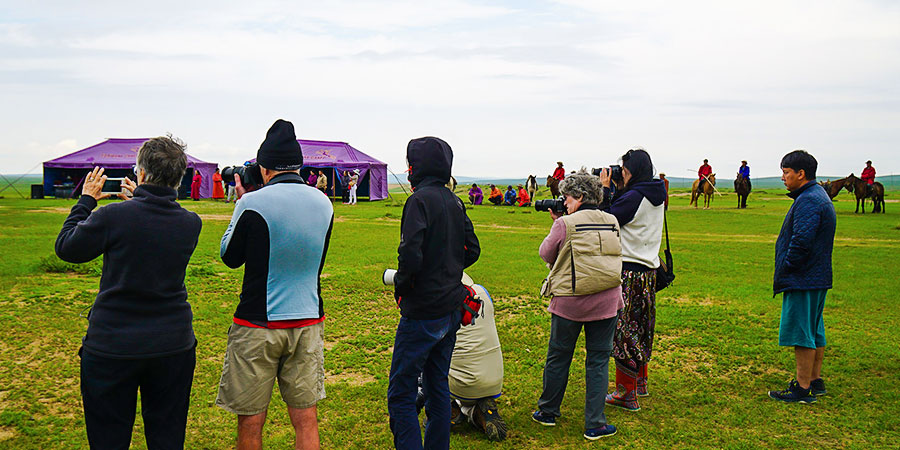
Small Crowds in Peak Travel Season
|
In July, people visiting the park are in greatest numbers since local and national Naadam Festivals are extraordinarily attractive. Despite that, the vast park covering an area of 560 square kilometers sees no crowded situations and long queues. However, flight tickets and hotel rooms are in greater demands and subsequently higher priced, so you had better make reservations as early as possible so as to have a more economical and smooth tour.
Shoulder Season
May in late spring and September - October in autumn consist of the shoulder travel season since they experience relatively low temperatures and have a less green grassland. As large temperature rises occur, the grass just starts to sprout and the landscape is sparsely light green for most time in May. While from September to October, the weather gets increasingly chilly even cold with nighttime temperatures often dipping below freezing; the plants also turn yellow and wither progressively. Since the park contains mainly grasslands, there is no magnificent autumn views.
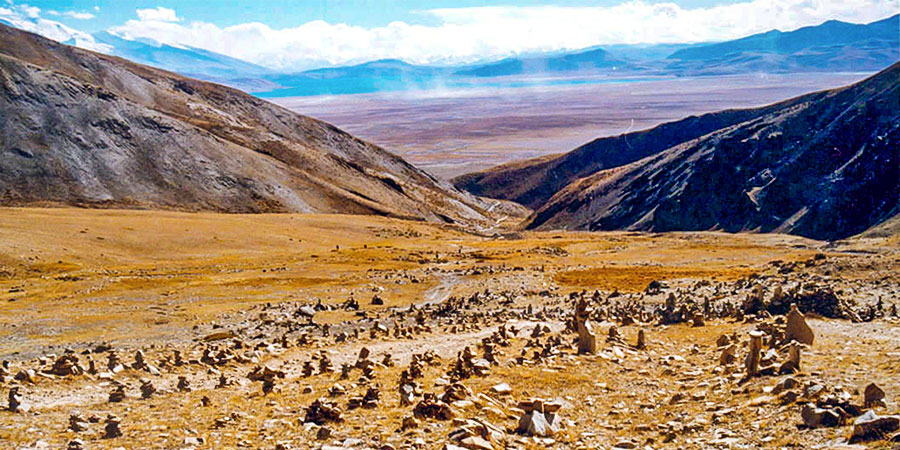
Barren Hustai in Late Autumn
|
But some visitors choose the two periods to observe wild animals specifically since the daytime temperatures usually between 11 and 23℃ (52 - 73℉) are perfectly suitable for the animals to conduct activities. It is easy to find them at almost any time of the whole day. Bird migration could also be seen in May and late September. Autumn is the breeding season of red deer, so instead of scattered single ones, it is of higher possibility for you to see several even dozens of them in crowd.
Slack Season
The slack season is primarily composed of the whole winter from November to next March as well as April in early spring. This period attracts least visitors due to its bitter weather and monotonous natural scenery.
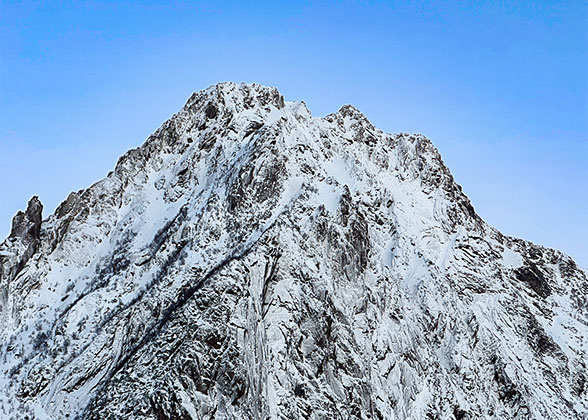
Snow Mountains in Winter
|
Late March to April experiences slight temperature increases with the max values usually around 5 - 12℃ (41 - 54℉). During this time, ice and snow begin to melt and the already rugged roads become so muddy that your cars might get stuck easily. The natural scenery is also in awkward period as neither vast snowscape nor green grassland could be seen. What’s worse, the climate is especially changeable in this transitional period. Strong winds, sudden temperature drops, heavy snow even sand storm are possible, thus bringing a lot uncertainty and risks for visitors.
You May Like
-
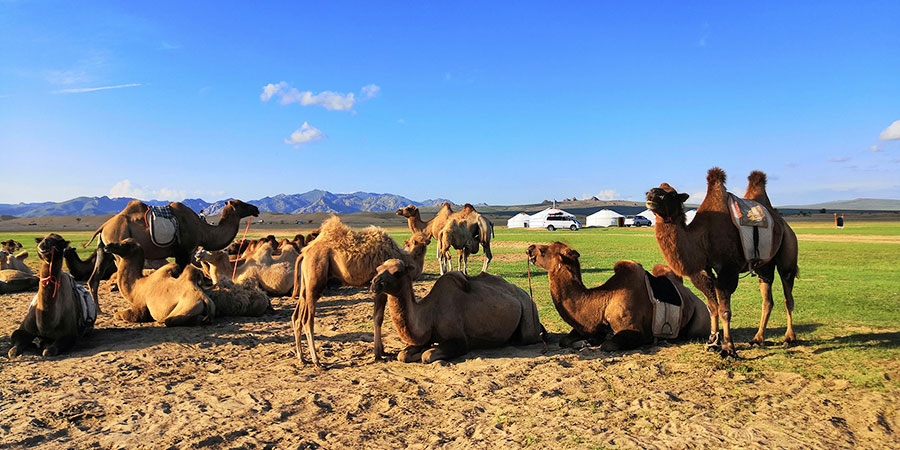 10 Days Private Tour of Mongolia Highlights & Gobi Desert Including Hustai National Park Views from USD2507
 -
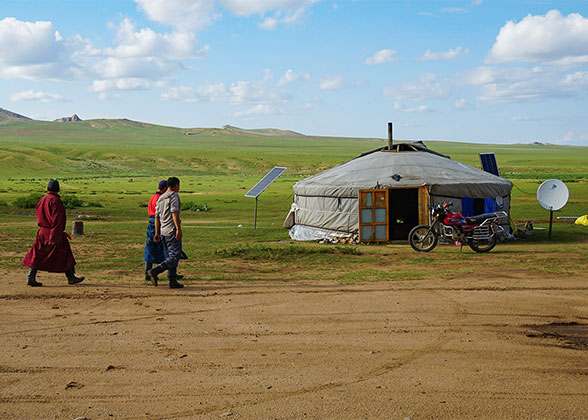 13 Days Private Tour to Visit Central and Southern Mongolia with Highlights of Hustai National Park from USD2982
 -
 21 Days Private Tour of Trans-Siberian Adventure with National Parks around Ulaanbaatar