

Wakayama Weather in January
Season: WinterWhat is the weather like in Wakayama in January: the coolest and driest month but bearable

Coolest Period in a Year but Bearable
Average temperature: 4-10℃ (39-50℉)
Though January offers the coolest weather of the year to Wakayama, it is not severely cold and bearable. In specific, daytime temperatures range from 8-14℃ (46-57℉), while nighttime ones are normally above 0℃ (32℉). You usually feel colder in the mountains; and facing the Pacific Ocean, Shirahama and Kushimoto have strong sea winds, leading to lower perceived temperatures. So, be sure to wear warmer if you plan to go for these places in this time of 2027. Moreover, this month often sees a relatively huge temperature gap between day and night, around 7-9 degrees Celsius (45-48 degrees Fahrenheit).
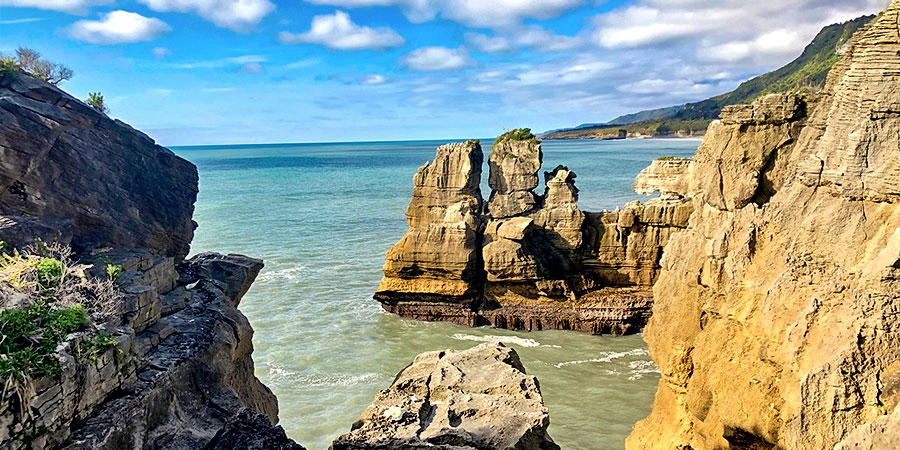
Wakayama Sea Scenery
|
Lowest Precipitation of the Year
In January, its precipitation reaches the lowest value all year round, at roughly 48 mm (1.9 in) accumulating from 15 wet day. On most rainy days, it rains intermittently and the rainfall is light. As it rains a little, the air is crisp and relative humidity in January is around 61%.
Does it snow in Wakayama in January?
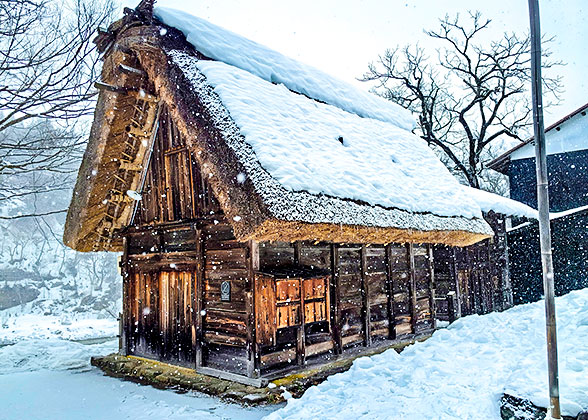
Except the mountainous areas, it seldom gets snowfall, and even if it does, sleet is more common. If you would like to see snowy scenery, Mount Koya and Mount Gomadan are recommended destinations, particularly the latter, where branches, covered in ice crystals, look like blooming flowers in the sunlight.
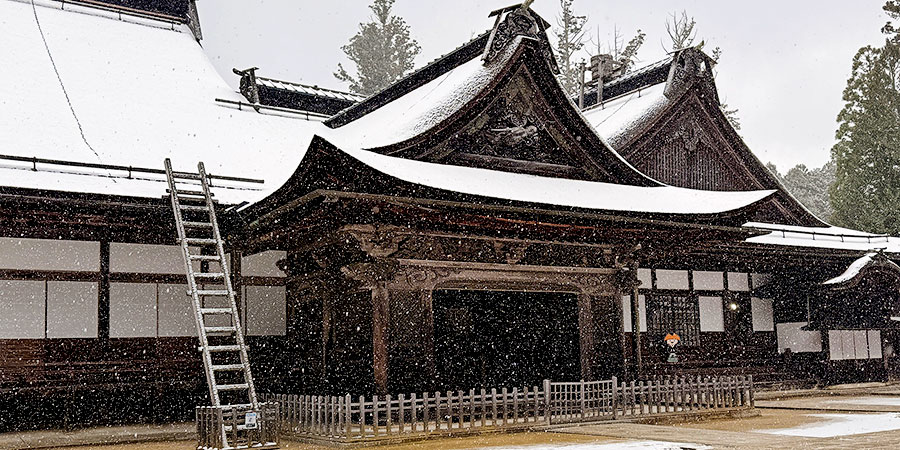
Mountain Snow Scene
|
Sunshine Hours & Daylight Hours
Sunrise Time: 6:57 - 7:04
Sunset Time: 17:00 - 17:27
Daylight Hours: 9 hours 56 minutes - 10 hours 30 minutes
Average Sunshine Hours: around 6 hours/day
Judging from the sunshine and sunset time in this period, daylight hours are getting longer but still quite short, requiring you to arrange travel itineraries effectively. Starting your day activities early is always a smart idea.
Because of low precipitation, Wakayama mostly sees sunny or cloudy climate in January, and sunshine is generally sufficient.
January Clothing Guidance in Wakayama
|
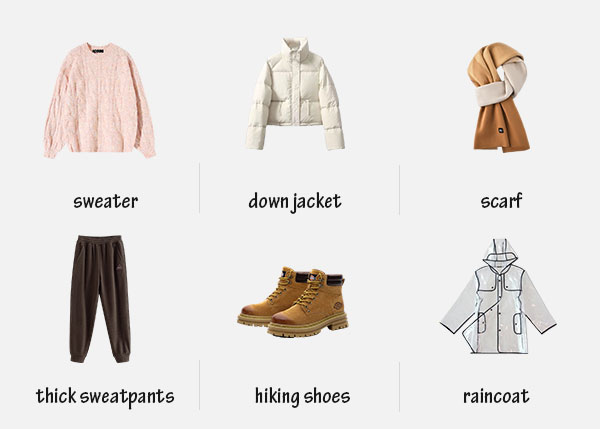
 Upper: It’s advisable to wear a sweater or fleece sweatshirt, topped with a medium-weight down jacket or woolen overcoat. If you would like to wait for a sunset or sunrise by the sea, it’s better to bring along a down vest. Lower & Bottom: Thick sweatpants or hiking pants are always good choices, along with comfortable sneakers. If you decide to visit Mount Koya, where you may encounter snowfall and some paths are possibly frozen, non-slippery and waterproof hiking shoes are more practical and suitable. Others: In case of rainfall, you’d better take a lightweight raincoat, which takes up little luggage space and allows for unrestricted movement. Plus, beanies, scarves and mittens make your outdoor sightseeing much cozier.
Travel Advice & Tips
1. Without very attractive natural vistas and various grand events, January counts as the slack season in Wakayama. Accordingly, you won’t see hordes of tourists, packed attractions and restaurants, as well as high costs of hotels, which enables you to save more time and energy to wander around the alleys and experience a true local life.
2. In winter, temperatures in the south tend to be higher than those in the north, so you still have a chance to admire flowering daffodils in Shionomisaki-boro Watchtower from mid-January to early February and Kashinozaki Lighthouse in January.
3. Don’t miss Kawayu Onsen, a large outdoor hot spring in Kumano Kodo open for free. This onsen, merely surrounded by the reed-woven fence, only opens at 6:30 - 22:00 from December to February. Every Saturday from 20:00 - 22:00, the area is steeped in a dreamlike vibe under lit lanterns - you can soak in a hot spring while stargazing at night.
|
|
|
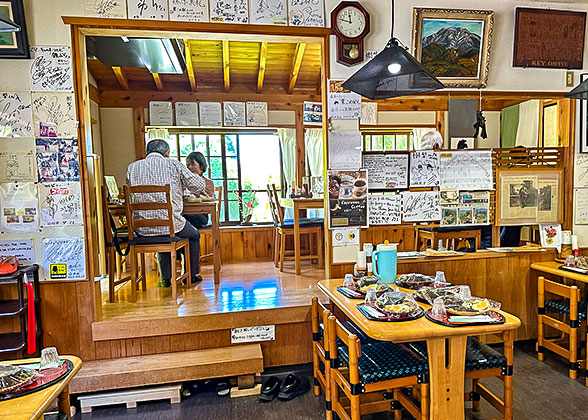
4. If you wish to capture beautiful seascapes, choose a fine day when blue seawater stands out in sharp relief in contrast to white clouds floating in the bright sky.
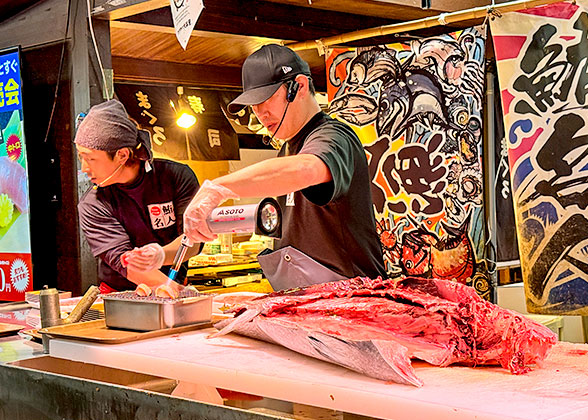
5. Around middle or late January, the Raw Tuna Festival, lasting for seven days, takes place at the Katsuura Regional Wholesale Market, and its Tuna Cutting Show draws many tourists to attend.
6. Restaurants are limited in rural areas, and if it is the very beginning of January when some owners may shut down their restaurants to celebrate the new year, finding a place to eat becomes difficult. Therefore, it’s better to prepare some food and drink before your departure.