

Sendai Attractions
Unlike the hustle and bustle of Tokyo and Osaka, Sendai features a more laid-back atmosphere and slower life pace. It was built in 1601 by Date Masamune, who was a renowned military commander in Sengoku Period (1467-1615) in Japan, so there are many historical sites related to him in Sendai, like Sendai Castle and Zuihoden. Nowadays, Sendai has developed into the largest city in Tohoku region of Japan, where historical sites and modern buildings coexist in harmony. Also known as “City of Trees”, Sendai has not only the historical weight of relics, but also a gentle green side, with a green coverage rate of 79.3%. All these make Sendai an excellent tourist destination. By Shinkansen, you can get here from Tokyo in 90 minutes.
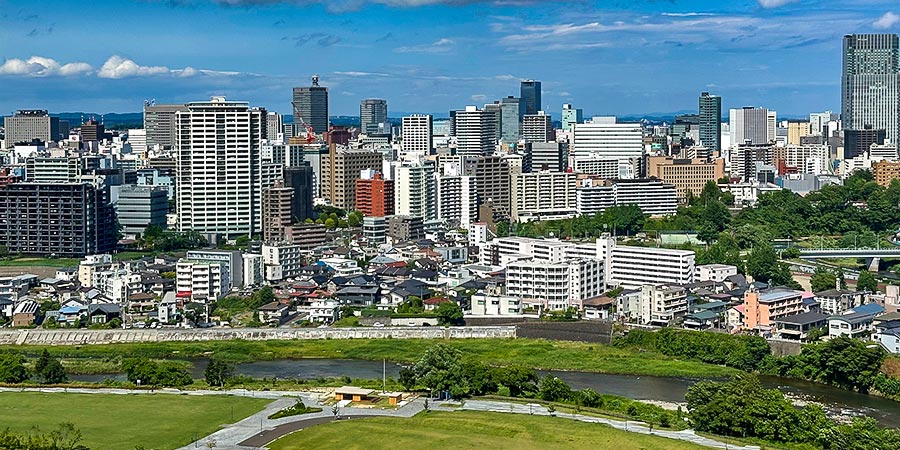
Aerial View of Sendai
|

Must Visit Places in Sendai City
Sendai Castle
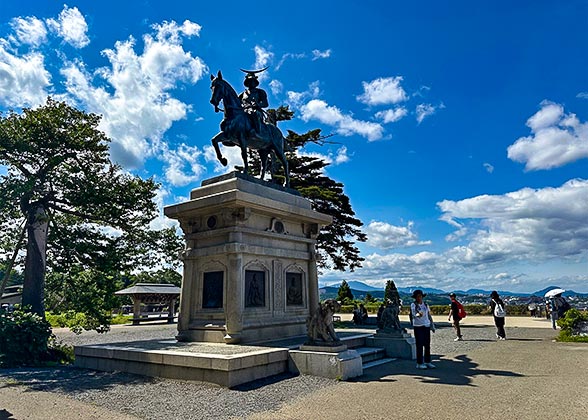
Sendai Castle, built by Date Masamune, was the office and residence of Date Masamune and also the political and military core of the Tohoku region during Edo Period (1603-1868). Although only a few relics remain, you can hike up to overlook the entire Sendai city beside the Bronze Equestrian Statue of Date Masamune and feel the heroic aspiration of Date Masamune to unify the country.In addition, there are two other locations from which you can overlook the entire Sendai, namely the top of SS30 Observation Lobby and the top of AER Observation Terrace.
|
|
|
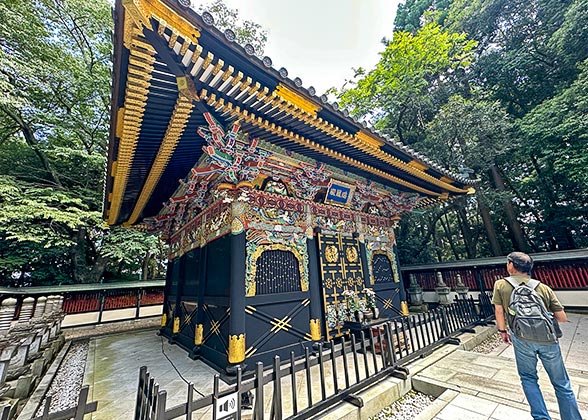
Zuihoden (Mausoleum of Date Masamune)
As the mausoleum of Date Masamune, Zuihoden is renowned for its Momoyama style which features bold and bright colors and intricate and elaborate carvings. Walking through it, you can feel its solemnity and dignity. The best time to visit is 9:00 on weekdays for fewer visitors and better light for taking photos. In late October and early November, there are red leaves in Zuihoden, adding beauty to this solemn and dignified mausoleum. The pathway leading to Zuihoden is lined with towering trees, very suitable for walking and taking photos.
|
|
|
Osaki Hachiman Shrine
Osaki Hachiman Shrine was established by Date Masamune as the chief shrine of Sendai. It also retains the Momoyama style. The black and gold hall is complemented with gilded wood carvings of divine beasts, with exquisite and stunning craftsmanship.
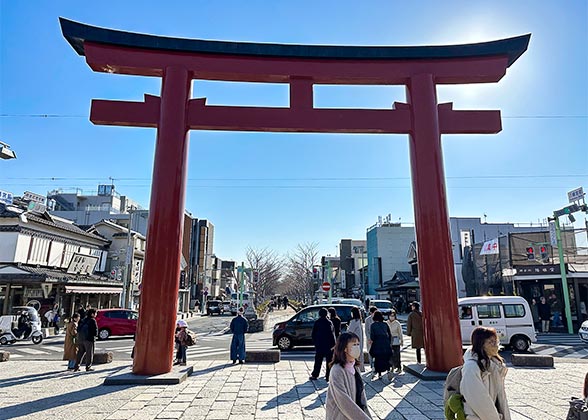
Osaki Hachiman Shrine
|
Sendai Daikannon
Sendai Daikannon, built in 1991, is a giant white statue of the Buddha Kannon, standing at a height of 121 meters (397 feet). The above-ground part is 100 meters (328 feet) high to commemorate the 100th anniversary of the establishment of Sendai city. The underground depth is 21 meters (69 feet), symbolizing the hope for the prosperity of the city in the 21st century. Standing in front of Sendai Daikannon, which is much higher than the surrounding residential buildings, you will feel extremely awed.You can also enter the interior of Sendai Daikannon and admire the variously shaped white jade kannon statues on each floor. In addition, the elevator inside the Sendai Daikannon leads directly to the observation deck, where you can also overlook Sendai city and even Pacific Ocean.
If you want to take a panoramic view of Sendai Daikannon, it is recommended to go to Sendai Daikannon Mae Bus Stop, where you can capture an unobstructed panoramic view of the 100-meter (328-feet) high Sendai Daikannon and the surrounding residences, creating a sense of collision between the giant and daily life.
Sendai Asaichi Morning Market
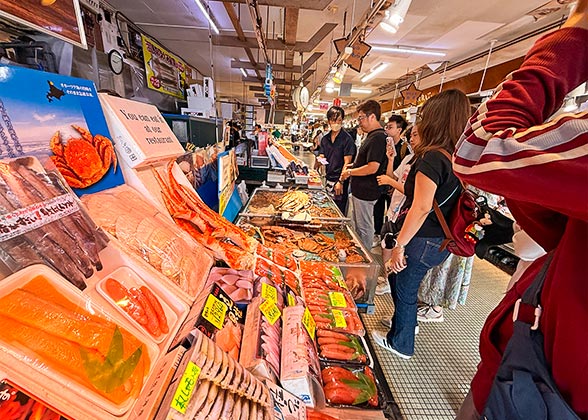
Seafood Shops in the Market
|
Jozenji-dori Avenue
The zelkova-lined Jozenji-dori Avenue is a symbol of “City of Trees”. The two sides of the avenue are covered with green shade, making you feel as if you were in a green tunnel. In autumn, the leaves turn golden yellow and Jozenji-dori Avenue becomes a golden avenue.Besides, like an open-air art gallery, the avenue is lined with numerous art sculptures, creating a strong artistic atmosphere. Locals often come here for a walk or relaxation.
Jozenji-dori Avenue is also the main venue of Sendai’s two special seasonal events. Sendai Tanabata Matsuri is held every August 6th-8th and is one of the three major summer festivals in Tohoku region of Japan. In the evening, a grand parade is held at the Jozenji-dori Avenue, including dances, drums and flutes, floats and palanquin parades. The lights are gorgeous and the avenue is bustling with excitement, being the unique romance of Sendai. And there is Pageant of Starlight in December. The zelkova along the Jozenji-dori Avenue are adorned with golden lights, turning it into a brilliant corridor. Jozenji-dori Avenue is a great place for romantic and relaxing night outings.
Must-visit Places in the Suburbs
Two major suburban natural attractions, Matsushima and Akiu, can be reached by taking train or bus from Sendai.Matsushima
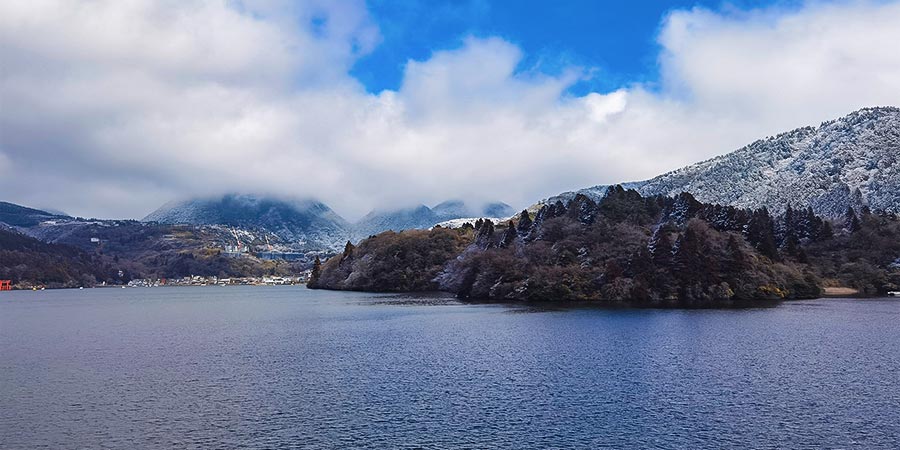
It only takes 30 minutes to get to Matsushima from Sendai by train, a waterfront dotted with more than 260 small islands. The islands with green pines float on the sea, presenting a serene and distant scene. To enjoy the beautiful scenery of Matsushima, you can go to the observation decks set up in its four directions of east, west, south and north respectively. If you want to visit the scenic spots efficiently, it is recommended to visit in the order of Kanrantei, Godaido and Fukuura Island. You can also take a cruise around the islands, with seagulls passing by you.
Matsushima
|
Akiu Onsen
With a history of over one thousand years, Akiu Onsen was once the exclusive place for leisure of Date family, where it could relieve fatigue of the body and mind. You can stroll through Rairaikyo Gorge, which is dotted with strangely shaped rocks and marvel at 55-meter-high Akiu Great Falls. After the tour, soak in the mineral hot spring to relieve the fatigue of the day.More to Visit
Tohoku University: If you prefer artistic and niche spots, you can head to the serene and elegant Tohoku University, which is one of the top five universities in Japan.Sendai City Museum: The museum mainly showcases the history and traditional culture of Sendai. It houses a large number of cultural relics related to Date Masamune, such as armor artifacts and swords.
Sendai Mediatheque: The Sendai Mediatheque is just a few minutes’ walk from Jozenji-dori Avenue. The irregular-shaped steel pipe pillars resembling water plants, combined with the fully transparent glass wall, having a strong aesthetic appeal.
Underground Forest Museum: It preserves tree roots and trunks dating back about 20,000 years, as well as human camping remains from about 3 million years ago, giving you a sense of awe as if you have travelled back to ancient times.