Trip Planning FAQs
What are the must-see sights for first-time travelers?
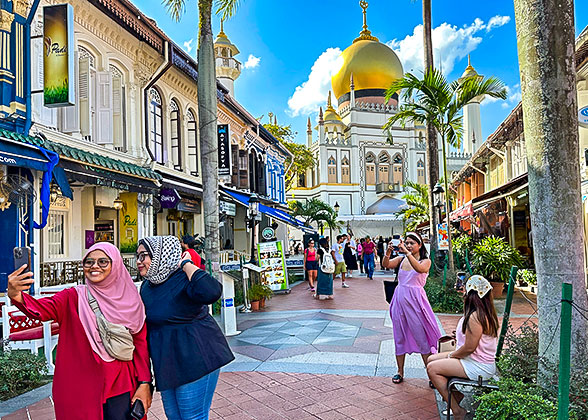
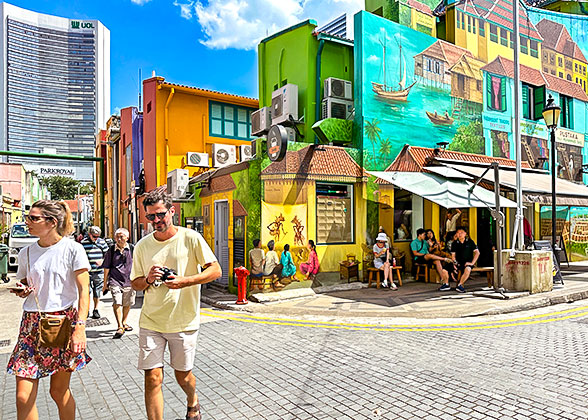
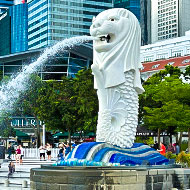
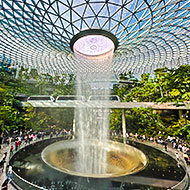
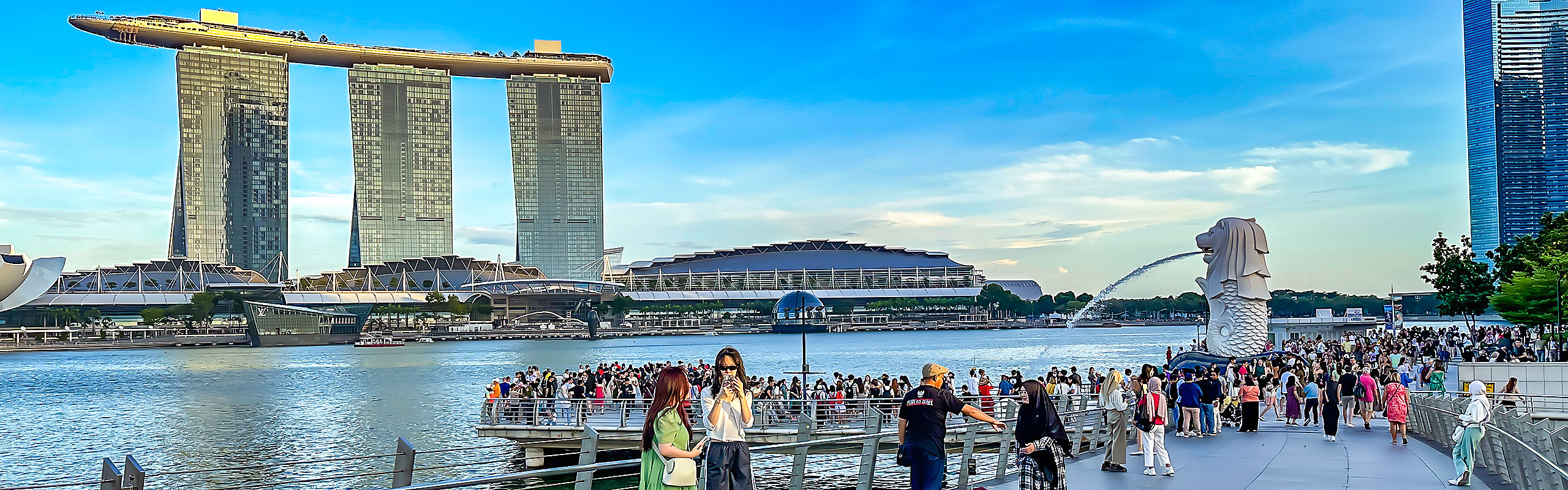
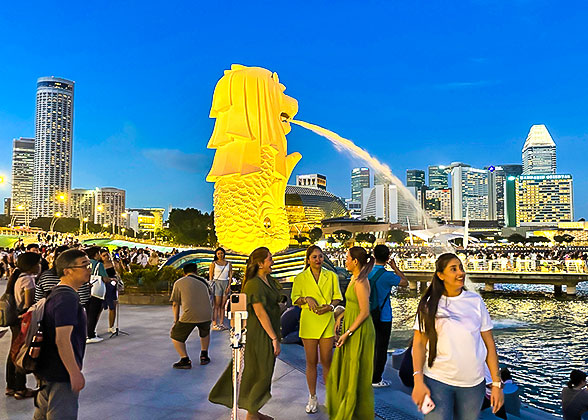
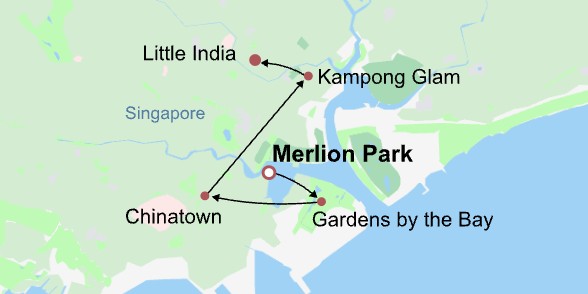
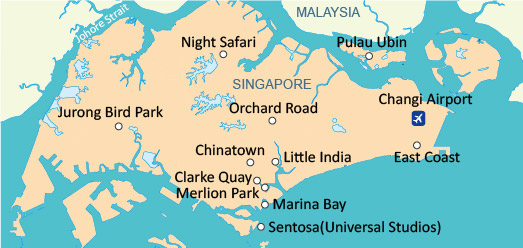
Tiny as it is, Singapore unfolds like a magic treasure chest laden with countless one-of-a-kind sights. For futuristic appeal, visit the most iconic Merlion Park embraced by spacecraft-shaped Marina Bay Sands, lotus-like ArtScience Museum, Singapore Flyer, greenery-meets-tech Gardens by the Bay, and top-notch Changi Airport. Discover multicultural heritage and diverse culinary delights in Chinatown, Little India, and Muslim-steeped Kampong Glam. Families may prefer Sentosa Island, home to Southeast Asia’s only Universal Studios, Oceanarium and scenic beaches, the world’s first Night Safari, and Singapore Zoo. Clarke Quay and Marina Bay are ideal to experience bustling local nightlife. Nature lovers shouldn’t miss the UNESCO-listed Singapore Botanic Gardens and the local-favorite Fort Canning Park.
What is the best time to visit Singapore?
February to April is the best travel window for Singapore tours, thanks to mild temperatures, low rainfall, lower hotel and flight fares, and diverse activities. November to January is the rainy season, and frequent thundershowers may disrupt your outdoor sightseeing. Thus, it’s advisable to pack rain gear and plan more indoor alternatives, such as the National Museum and the ArtScience Museum. May to October marks the dry season with bright, intense sunshine, making it a perfect destination for outdoor enthusiasts.
If you fancy a quieter, easier journey, it’s best to avoid June and December, when attractions are packed and hotels are more expensive.
1. Light, breathable summer clothes, sunscreen, sunglasses, and wide-brim hats are essential, as Singapore, close to the equator, generally sees temperatures of 25-33°C (77-91℉) and humidity up to 80%.
2. A thin jacket is advised to shield you against the cold indoor air conditioning.
3. A spare set of a long-sleeve top and trousers is needed when you visit religious sites.
4. All-weather umbrellas offer dual protection from harsh UV rays and sudden rainfall.
5. Insect repellent can help you avoid mosquito bites, especially amid tropical rainforest area with lots of little bugs.
6. Universal travel adapters, compatible with international sockets, allow your electronic devices to charge smoothly.
Is Singapore expensive for a tourist?
Yes. Travel spending in Singapore ranks high not just in Southeast Asia but globally, on par with Switzerland. You should consider setting aside at least USD 200-300 as your daily budget.
Main Costs Reference:
1. Accommodation: Budget to mid-range hotels usually start at USD 150 per night, and luxury ones at USD 250.
2. Dining: A simple meal at food centers costs around USD 8-10, while dining at a reasonably decent restaurant may soar to USD 25 or more per person.
3. Transportation: MRT (Mass Rapid Transit) and buses are priced at USD 1-2 for one ride. Taxis are affordable, much lower than those in major Western nations like the United States and the United Kingdom, with short trips costing USD 8-12 and a 20-km (12-mile) ride around USD 25-40.
4. Attractions and experiences: Ticketed sights are relatively pricey, but there are still free spots suitable for in-depth city walks.
What is the cheapest month to visit Singapore?
March to May and September to November are the cheapest times, because you have a chance to book the most affordable hotels and flights. Want key hacks for securing the cheapest flights? Book them at least one and a half months early, and keep an eye on budget airlines like Scoot and Jetstar Asia Airways.
Is it better to carry cash or card?
Card payments are better and more convenient, working well in 90% of cases, including public transport. However, many food centers, stalls, small shops, and bazaars still only accept cash, so it’s advisable to prepare SGD 200-300 (USD 155-232) in cash during your visit. For extra ease, if your phone supports NFC (Near Field Communication), you can link your Visa or Mastercard to Apple Pay or Google Pay and just tap your phone at terminals, saving you the hassle of looking for your physical card.
Is English widely spoken in Singapore?
Yes, English is the most widely used language for everyday life and work, though it is just one of the country’s official languages alongside Chinese, Malay, and Tamil.
What is the best way to get around Singapore?
1. MRT - Most Convenient and Fastest
Running from 5:30 AM to 12:30 PM with frequent services, it features direct access to numerous popular attractions, and English signage and station announcements. Visitors can pay with a chip-enabled Visa or Mastercard.
2. Buses - Budget-friendly and Perfect for City Sightseeing
It covers almost all places in Singapore and uses the same payment method as MRT. Please note that you should wave at the driver to board and press the bell before alighting. The downside is that most buses lack stop reporting.
3. Taxis - Suitable for Those with Bulky Luggage
Grab, Gojek, and CDG Zig are popular local ride-hailing apps. Additional charges will be levied during rush hours and at special locations such as the airport and Marina Bay.
4. Shared Bikes - Most Eco-friendly
Shared bikes are all over the streets, priced at USD 0.7 per half hour.
What to eat in Singapore?
Singapore is truly a culinary paradise, where you can savor local flavors together with diverse delicacies from southern China, Malaysia, and India. Unmissable treats include peppery pork rib soup (Bak Kut Teh), chili crabs, chicken rice, fish head curry, fried Hokkien prawn noodles, sweet-spicy satay kababs, and piquant rice noodles with coconut-and-curry broth (Laksa). Local traditional coffee (Kopi), Indian milk tea (Teh Tarik), and barley or water chestnut drinks are also worth a try.
What are the dos and don'ts in Singapore?
1. Uncivilized behaviors of throwing litter about, jaywalking, and spitting gum are likely to incur heavy fines.
2. Travelers should return their trays and clear away rubbish after dining at food centers, cafes, and such.
3. Tipping is unnecessary in restaurants, as a service charge and consumption tax are added to your bills.
4. As you speak to the elderly, it’s better to address them as “Auntie” or “Uncle” out of respect.


 1-3 Days
 Singapore