
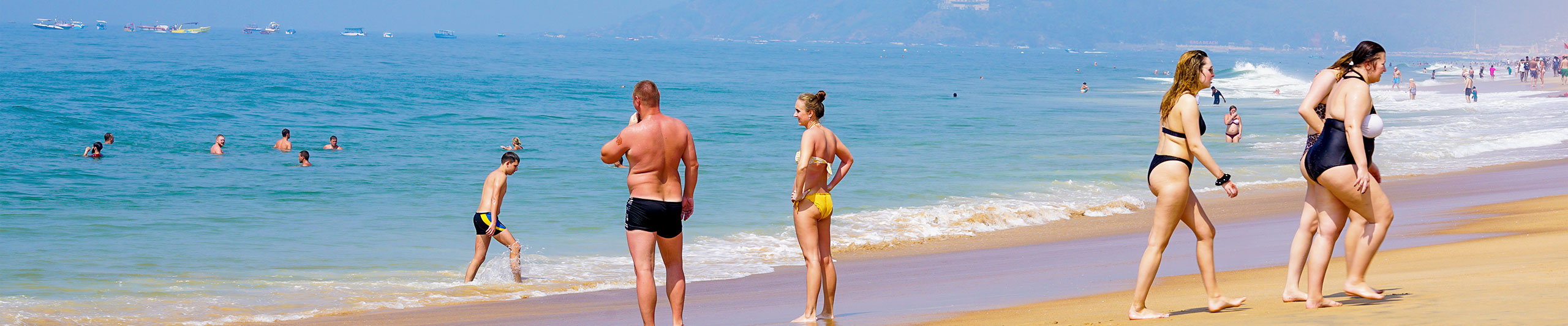

Shizuoka Weather in July
Season: SummerWhat’s the weather of Shizuoka like in July: hot; the rainiest month in a year

Hot
Average Temperature: 23-30℃ (73-86℉)In midsummer, Shizuoka experiences a notable sense of heat in July. There are more than 20 days with daily maximum temperatures of above 30 degrees Celsius (86 degrees Fahrenheit), and in some sunny days, it can soar to 36-39℃ (97-102℉). Even in the late evening, the temperature mainly fluctuates between 22-26℃ (72-78℉), and may exceed 28℃ (82℉) at the end of the month.
Shirahama Ohama Beach
|
Favorable Period to Experience Water Activities
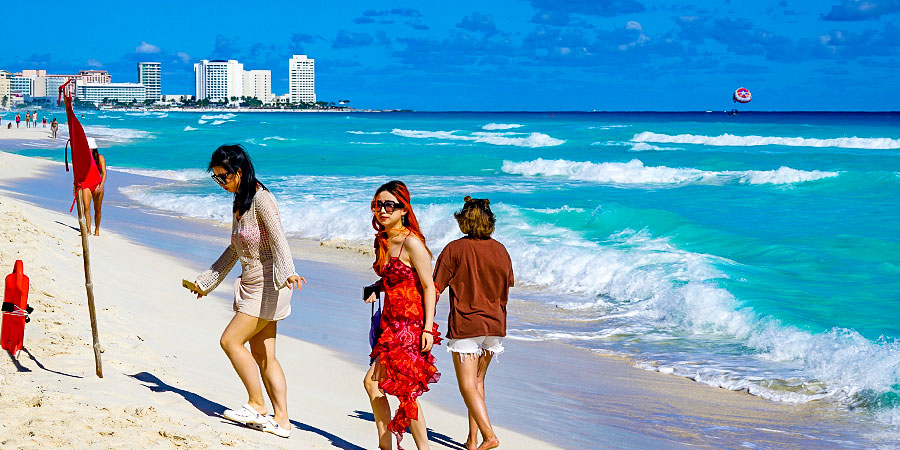
In July, seawater temperature in Shizuoka ranges from 23-27℃ (73-81℉), warm enough for people to experience water sports. Thanks to the sea breeze, beach areas become ideal escapes from summer heat for domestic and foreign tourists. The majority of beach resorts officially open from mid-July to late August, offering comprehensive supporting facilities and professional lifeguards.Here are excellent destinations for you to choose from: Shirahama Ohama Beach, well-known for its white fine sand and crystal-clear water; Sotoura Beach with calm waves, making it a perfect place for children; Tatadohama Beach, one of the most famous surfing locations in Shizuoka.
Street Scene After Rain
|
The Wettest Month of the Year
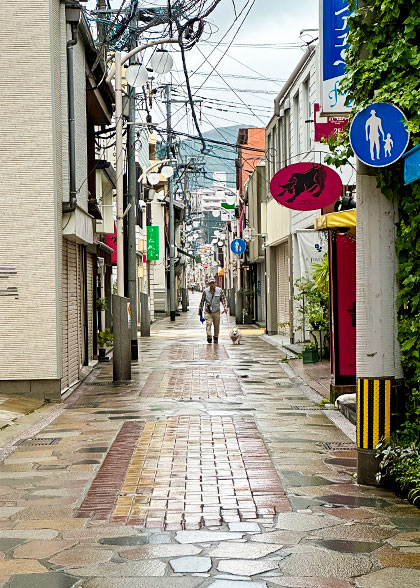
Monthly Humidity: around 84%July ranks as the rainiest month over the year, averaging 320 mm (12.6 in) monthly precipitation for 18 rainy days. As the rainy season lingers till the middle to late month, Shizuoka frequently experiences moderate showers with occasional heavy rain. Rainfall mostly lasts no more than half a day, but sometimes it occurs several times within a day.
Because of a lot of rainfall in early and mid-July, humidity is high, leading to higher apparent temperature. Besides, the high humidity, together with high temperature, often brings people sultry feelings. As the rainy season ends, sunny days become common, and the dampness subsides day by day.
Daylight Hours & Sunshine Hours
Sunrise Time: 04:38 - 04:58Sunset Time: 18:52 - 19:07
Daylight Hours: 14 hours 28 minutes - 13 hours 54 minutes
Daily Sunshine Hours: approximately 5 hours per day
Though daylength begins to shorten, it is still long enough for your daily outings. Due to lots of sunny days at the end of the month, daily sunshine hours get longer. Plus, by then, sunlight is very intense with the UV index hovering around 10, so sun protection is necessary.
Things Yon Need to Pack for Shizuoka Trip in July
|
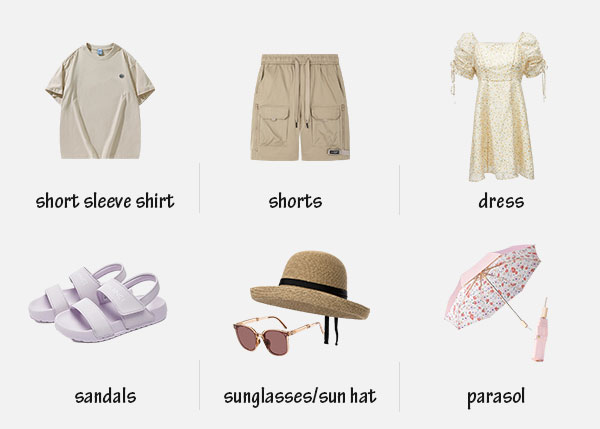
 Females: Breathable and quick-drying clothes are always your top choices in this time. It’s advisable to wear a slip dress, a chiffon long-sleeve layer for sun protection and well-fitting sandals; this outfit is not only comfortable and fashionable, but also ensures you look photogenic in the shot. Males: Males can wear short-sleeved shirts or tank tops and shorts in cotton or linen fabric. As for footwear, mesh sneakers or slip-ons are highly recommended. Accessories:
 1. Pack sun hats, sunglasses and sunblock. Reapply the sun cream every 2-3 hours, particularly when you stay by the sea for a long time. And parasols are useful to cope with both sunny and rainy weather.
2. Swim gear including swimsuits, beach towels and lightweight slippers should be packed for beach trips.
3. To avoid heatstroke, regularly drink lots of cool liquids, or bring along a portable mini fan.
4. Hot and humid weather breeds mosquitoes, so mosquito repellent is needed.
Best Things to Do in Shizuoka in July
See Fireworks Shows
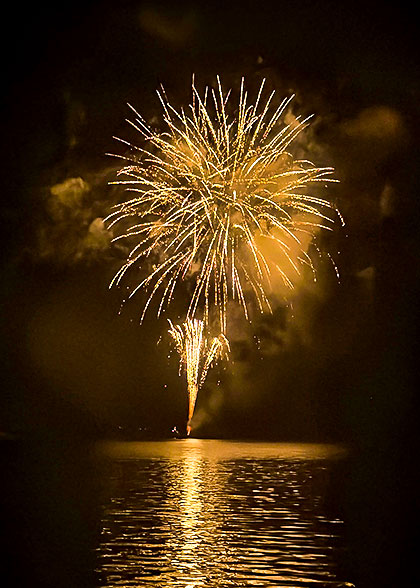
Fireworks over the Sea
|
Tips:
1. In case of rain, the date of fireworks displays may be adjusted. So, if you don’t want to miss such splendid events, keep a close eye on the latest notices.
2. Due to big streams of visitors, you’d better come to the site at least half an hour earlier to secure a good spot.
Climb Mount Fuji
Though you will not see the snow cap of Mount Fuji, you have a chance to explore its appeal up close from different routes. The official climbing season lasts two months, from early July to early September.Tips:
1. As the altitude increases, the temperature becomes lower and lower. So, a 3-in-1 jacket with a removable down liner is recommended.
2. Monitor the weather forecast prior to your hike. If heavy rain and strong winds are forecasted that day, it’s better to cancel this activity for safety concerns. However, if there will be light rain and no winds, it’s still possible to climb. But besides specialized mountaineering gear like headlamps and trekking poles, your clothes, gloves and shoes should be waterproof.
3. If your travel plan includes Mt. Fuji World Heritage Centre, note that its opening hours are extended from 9:00 - 17:00 to 9:00 - 18:00 in July and August.
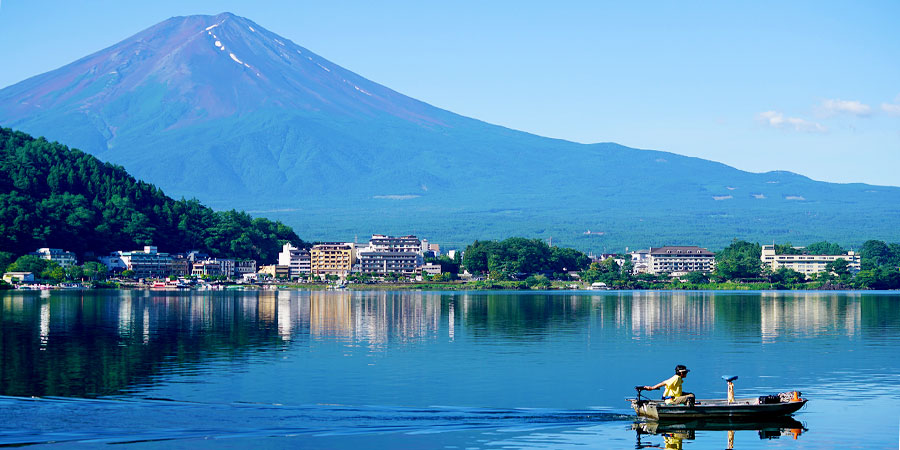
Mount Fuji in Summer
|
Shizuoka Weather by Month
7-Day Shizuoka Weather Forecast