


- Attractions
- Weather
- Transportation
- Tour Planning
- Videos
- Photos
Nara Transportation
Unlike the maze-like transit systems in Kyoto and Osaka that call for careful transfer checks, getting around Nara is far more straightforward. The city has no subway network, and walking and local buses are the go-to options for daily sightseeing.
1.Walking - Top Pick for Core Attractions, Zero Transport Costs
Most of Nara’s core sights cluster tightly around Nara Park, making walking hands down the best way to explore this area. You can stop on a whim to interact with the deer or pop into local shops at your own pace, with total schedule flexibility and no extra transport costs.
Follow the classic walking route starting from Kintetsu Nara Station, and you’ll visit Nara Park, Todai-ji Temple and Kasuga Taisha Shrine in order, with easy detours to Mount Wakakusa and Naramachi along the way. The full route stretches roughly 8 kilometers (5 miles), takes around 5 hours at a casual sightseeing pace, and is of moderate walking intensity.
Two practical tips: Wear comfortable, non-slip flat shoes suited to grassy lawns and gravel paths. If visiting in summer, pack sun protection and drinking water, and steer clear of the midday heat - early morning or evening walks are far more pleasant.
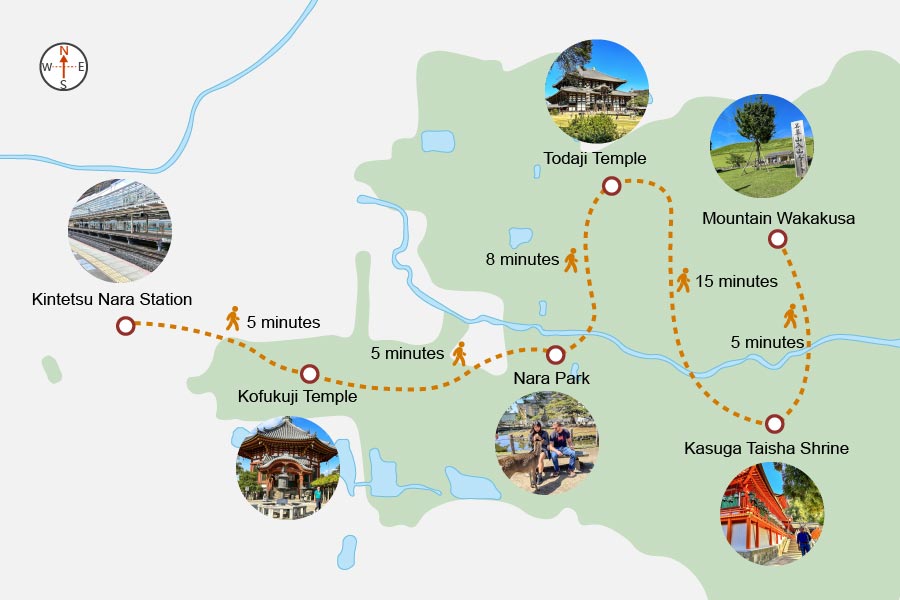
Nara Walking Map
|
2. City Buses - Ideal Option for Direct Access to Outlying Ancient Temples
Buses are the most practical choice for visiting far-flung historic temples like Toshodai-ji Temple and Horyu-ji Temple - sites well out of walking range. Direct services operate from both Kintetsu Nara Station and JR Nara Station.From Kintetsu Nara Station, for example, the ride to Toshodai-ji Temple takes 20 - 25 minutes with a one-way fare of 310 yen (2 US dollars), while the trip to Horyu-ji Temple takes roughly 1 hour at 880 yen (5 US dollars) one way. If you plan to take buses 3 or more times in a single day, a one-day pass offers better value: the standard 600-yen (3.7 US dollars) pass covers the city center and the western temple cluster; for round trips to Horyu-ji Temple, the wider-area 1,100-yen (6.8 US dollars) pass is the smarter choice.
|
|
|
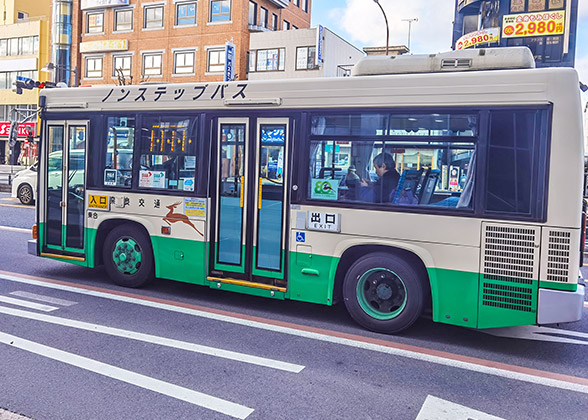
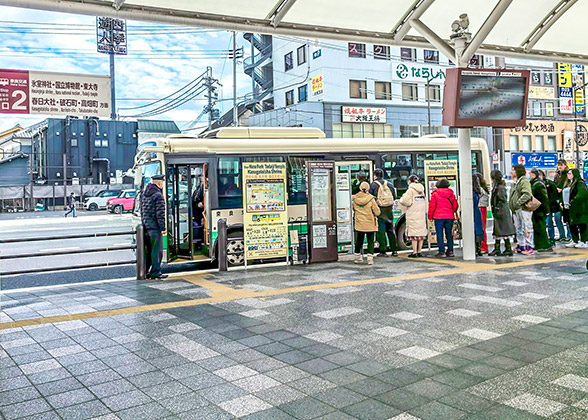
 Read More: Bus and Bus Pass
3.Bike Rental - Time-Saving with Fully Flexible Pacing
If extended walking leaves you worn out and you’d rather not stick to rigid bus schedules, renting a bike is an excellent alternative. Rental shops are readily available around both Kintetsu Nara Station and JR Nara Station, so you can pick up a bike right after exiting. You can stop whenever you like to wander down quiet alleys or browse local shops, with full control over your travel rhythm.There are two main bike types: standard bicycles and power-assisted bikes. Daily rental rates are 800 - 1,000 yen (5 - 6 US dollars) and 1,400 - 1,600 yen (8.6 - 10 US dollars) respectively. Most shops also offer shorter rental options, such as 3-hour or half-day packages.
A few important reminders: The area around Kasuga Taisha Shrine and Mount Wakakusa features numerous slopes and gravel sections, making cycling difficult and not advisable. Cycling is prohibited in Nara Park’s core deer-viewing zone, which is densely packed with pedestrians and deer - park your bike in designated surrounding areas instead.

Visitors Bicycling around Nara
|
4.Taxis - Convenient but Expensive
Taxis are not recommended for everyday sightseeing, as they cost far more than public transit. To put it in perspective, a ride from Kintetsu Nara Station to Toshodai-ji Temple takes just over 10 minutes and costs roughly 2,600 yen (16 US dollars) - nearly 10 times the bus fare for the same route. They work best for parties of 3 to 4 splitting the cost, tight travel schedules, or trips with seniors, young children, or heavy luggage.Empty taxis are far scarcer in central Nara than in Osaka and Kyoto, so hailing one off the street is not always reliable. Your safest bet is to use official taxi stands at JR Nara Station and Kintetsu Nara Station, or designated pick-up and drop-off zones at major attractions like Todai-ji Temple. You can also pre-book rides via apps such as GO and Uber.
How to Get to Nara?
Most visitors travel to Nara on a day trip from Kyoto or Osaka. If you’re moving between the two cities, you can easily work Nara into your route as a stopover - no backtracking required.The Kintetsu Line is the most hassle-free way to go. It runs directly with no transfers, and Kintetsu Nara Station is just steps from Nara Park, so you can start sightseeing the second you get off. From Kyoto Station, the journey takes around 45 minutes with a one-way fare of 760 yen (4.7 US dollars); from Osaka Namba, it takes roughly 35 minutes, costing 680 yen (4 US dollars) one way.
If you already have a JR Pass, the JR Line is a solid pick with no extra cost. The catch is that JR Nara Station is much further from the main attractions. You’ll either have to walk an extra 20 minutes or take a connecting bus - it’s less straightforward than the Kintetsu Line.
It’s not worth traveling all the way from distant cities like Tokyo specifically to visit Nara. You’ll need to transfer in Kyoto first, making for a total trip of around 3 hours with fares up to 14,000 yen (86 US dollars).
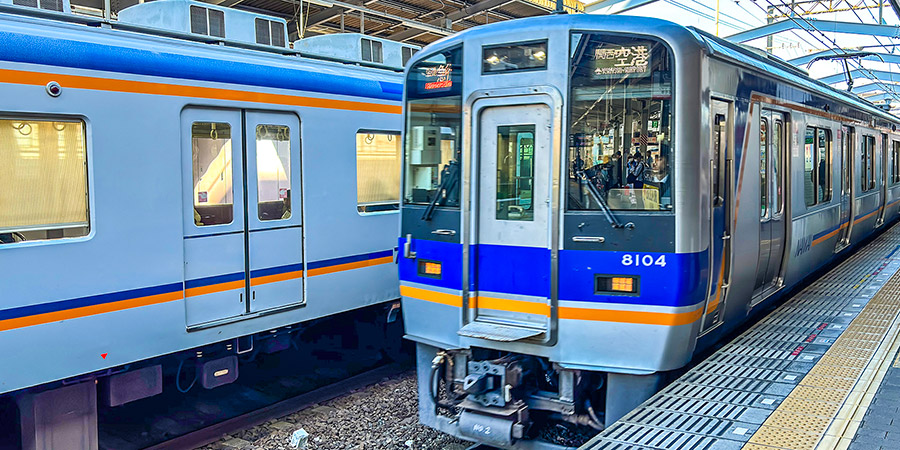
Trains running to Nara
|
Read More:
How to Travel from Kyoto to Nara
Nara Train Stations – Kintetsu Nara & JR Nara Station
How to Pay for Transport in Nara?
Physical IC cards like ICOCA and Suica from Kyoto or Osaka, plus their mobile versions on your phone, work seamlessly across Nara. You can tap them for JR trains, Kintetsu services, city buses and convenience store purchases - no need to buy a separate card.A quick heads-up: Nara’s bus payment rules differ from those in Kyoto and Osaka, so don’t assume you can always board through the rear door as you might there. Most downtown sightseeing routes use a flat fare of 250 yen (1.6 US dollars). Board through the front door, tap your card once to cover the full fare, then exit straight out the rear. For suburban routes with distance-based fares, the process works the other way around: board at the rear, alight at the front, and tap your card on both entry and exit to pay for your exact travel distance. If you’re unsure, just follow the locals - you’ll almost never go wrong.
JR and Kintetsu ticket gates accept contactless credit cards for direct entry, but the vast majority of city buses do not. It’s best not to head out for the day relying only on a credit card.
When using a Nara Ikaruga 1-Day Pass or local bus day pass, simply show the driver the side with the printed date for validation. Also note that the JR Pass is only valid on JR rail lines and cannot be used on city sightseeing buses.