

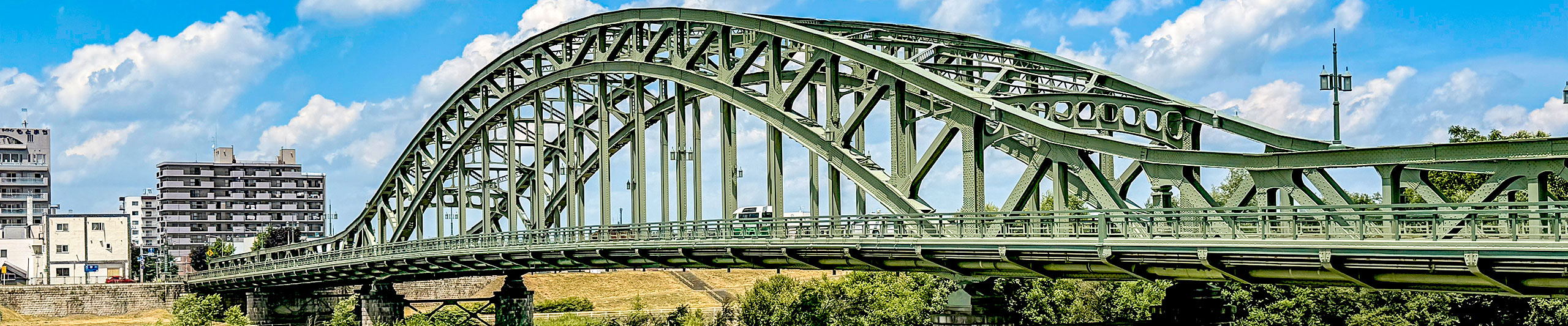

Asahikawa Weather
Characterized by temperate continental climate, Asahikawa is regarded as the coldest city in Hokkaido, Japan. Its winter is long, cold and snowy from November to December, and summer mild mostly and humid from June to August. Comparatively speaking, spring and autumn are very short but cozy.
Temperature
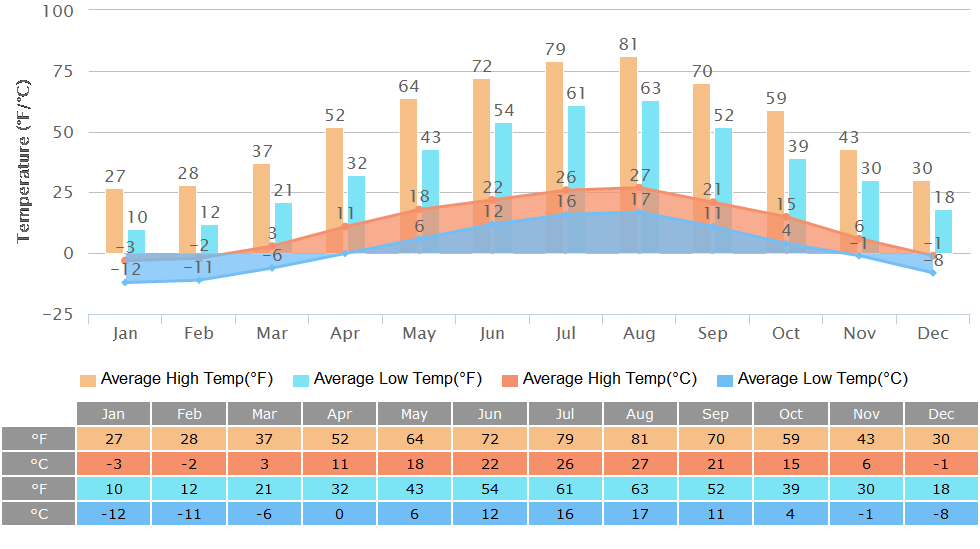
Asahikawa is located inland in Hokkaido, northern Japan, experiencing relatively significant temperature variations throughout the year. The hottest months are July and August, but generally not scorching, with highs basically no more than 30 degrees Celsius (86 degrees Fahrenheit). However, Asahikawa weather in winter is consistently frigid, with daytime temperatures usually remaining below freezing. At night, temperatures can drop as low as about -20°C (-4℉), which usually happens during January to mid-February.
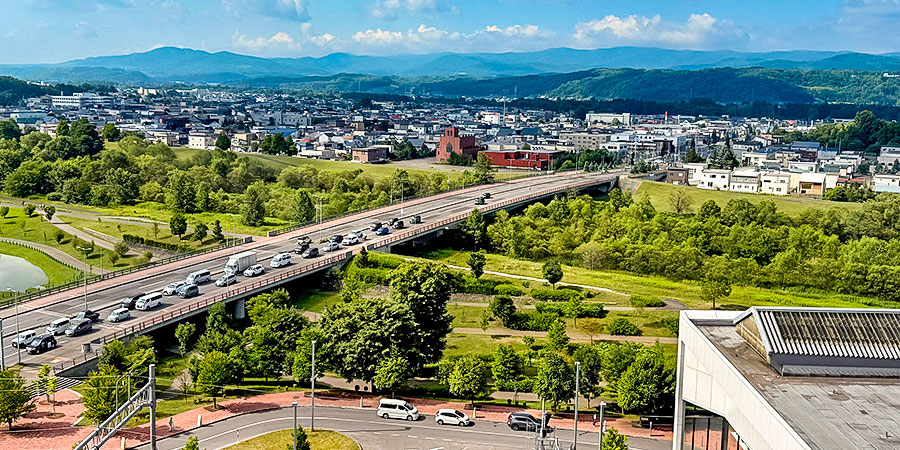
Panoramic View of Asahikawa
|
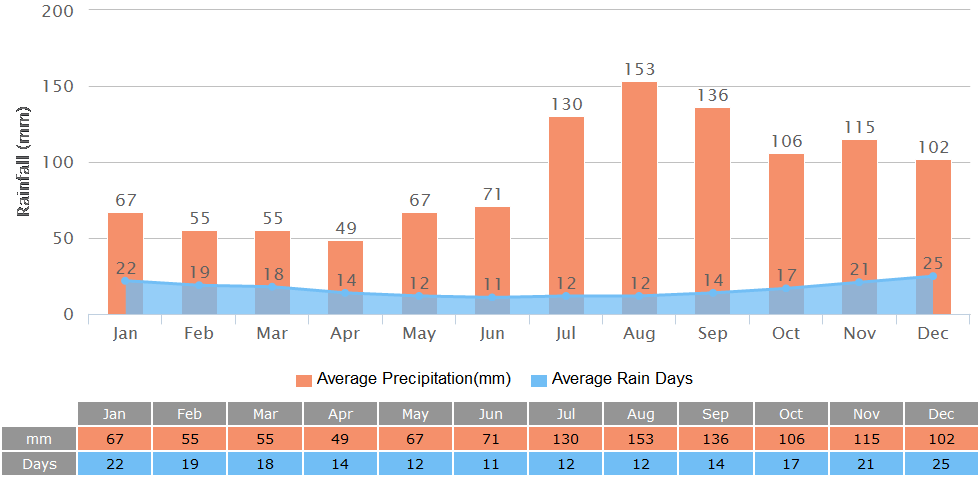
Rainfall and Snowfall
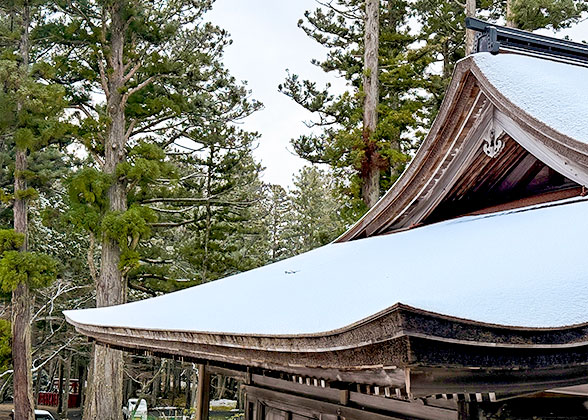
Asahikawa Snowfall in Winter
|
However, winter here features frequent, heavy snowfall. The first snow usually falls in mid-November, and by mid-December, the snow accumulation becomes quite thick. The snowy weather basically would last till around mid-March to early April of the following year. By then, there is still a large amount of thick snow in the mountainous areas. However, the snow in downtown begins to melt away quickly.
Humidity
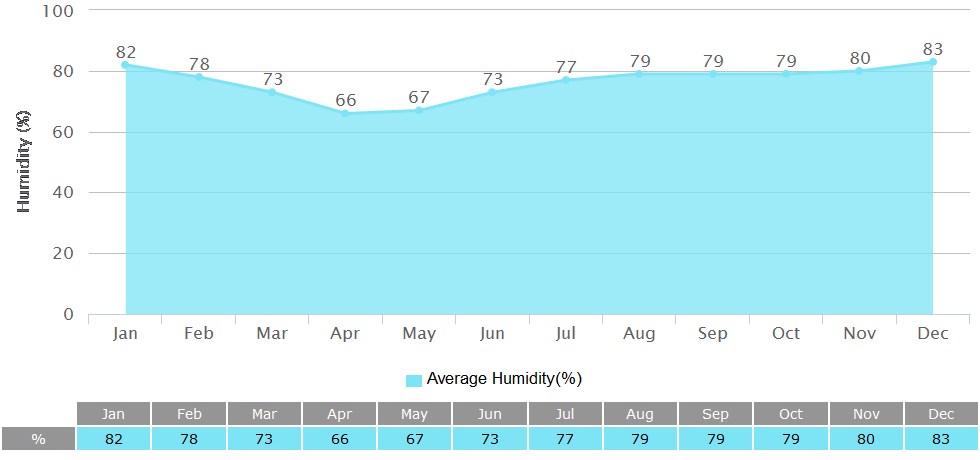
Asahikawa enjoys a humid climate year round, with the humidity in spring months of April and May being slightly lower.
Humidity Graph of Asahikawa
When Is the Best Time to Visit Asahikawa?
For snow lovers, December to February is the best time for a visit when charming snow scenery covers all over the city, and various winter activities are available.June to August is the best time for tourists to escape the muggy climate of other cities and enjoy a comfy and vibrant summer here.
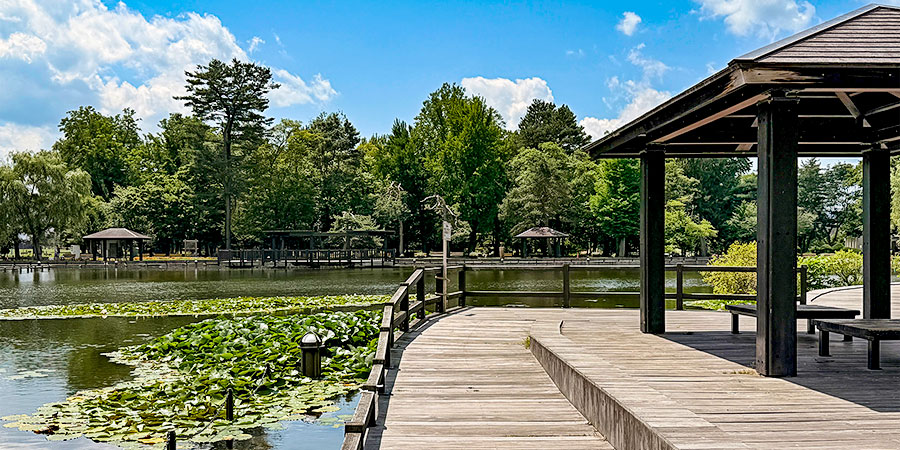
Tokiwa Park with Lush Plants
|
Early to mid-May in Spring and late September to mid-October are also nice times to visit Asahikawa. This is because during these two periods, not only is the climate pleasant, but there are also splendid seasonal landscapes to enjoy, such as cherry blossoms and colorful autumn leaves, respectively.
See more about Hokkaido Weather and Japan Weather.
Asahikawa Climate: Seasonal Features & Travel Guidance
Winter from November to March
 November
Asahikawa steps into winter in November when the weather gets colder and colder, with the maximum temperatures drops from 10°C (50℉) at the beginning of the month to below 0°C (32℉) at the end, accompanied by increasing snowfalls.
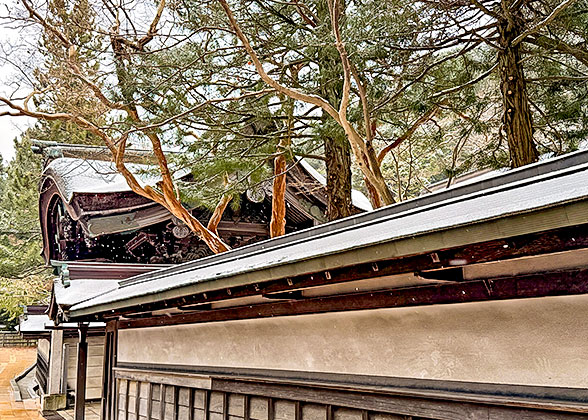
Snowfall of Asahikawa in Early Winter
|
December, January, and FebruaryDuring December to February, the frigid winter months, maximum temperatures range from -7 to 0°C (19-32℉), and minimum temperatures roughly fluctuate at -15 to -5°C (5-23℉); and heavy snowfalls are commonly seen, transforming this city into a snowy wonderland.
MarchIn March, Asahikawa’s temperature is on an upward trend, which, nevertheless, remains at a very cold level: while the maximum temperatures grow from freezing to about 7°C (45℉), the minimum temperatures are basically at -10 to 0°C (14-32℉). As a result, thick snow accumulations linger till mid-March.
ClothesThermal underwear, sweater, and windproof down coat are basic outfits. As for lower part, you’d better add a base layer beneath the fleece-lined pants. Shoes are better to be warm, water-resistant and nonslip, such as hiking boots with thick linings. Besides, extra accessories like winter hat, scarf, gloves, and earmuff are essential to bring, which are particularly helpful when cold wind blows. It’s also necessary to bring a raincoat since constant snowfalls would make your clothes wet. Moreover, don’t forget to bring your sunglasses to protect your eyes from snow glare.
Travel Recommendations and Tips

Penguin Parade
|
1. For tourists who are planning a winter trip to Asahikawa in 2026, we strongly recommend that you participate in the Asahikawa Winter Festival, which takes place from 10:00 to 20:00 every day from February 6th to 11th. The location is Tokiwa Park, where not only are exquisite snow sculptures on display, but there are also stage performances, winter markets, fireworks, and various local cuisine options available. The most interesting part is that cute Pok é mon are expected to appear.
2. Asahiyama Zoo is well worth a visit. From late December to mid-March, you can watch the “Penguin Parade” at 11:00-14:30 every day.
3. Skiing is also one of the must-tries for tourists visiting Asahikawa in winter. There are multiple natural ski resorts here, with ski slopes that are also suitable for beginners.
4. The snow scenery is certainly beautiful and captivating, but it should be noted that blizzards can also strike sometimes, causing difficulties in travel and the closure of some scenic spots. Therefore, remember to closely monitor the weather forecast to ensure smooth travel. What’s more, strong wind is prone to occur during the winter, coupled with constant snowfalls, the perceived temperature gets lower. Thus, winter travelers must make sure to take thorough measures to keep warm.
Spring from April to May
April
Early April is cold, with highs at around 5°C (41℉), and lows falling below 0°C, so light snowfall or sleet is still possible during this period. From mid-April on, the weather shows signs of warming up, with highs up to 15-20°C (59-68℉) sometimes, but on wet days, the maximum temperatures can drop to 5-10°C (41-50℉). Other than that, the temperature varies widely from day to night, with the maximum difference reaching up to 15°C.
May
In May, spring fully awakens from its slumber, with overall warm and pleasant weather, when high temperature ranges between 15-25°C (59-77℉), though nights can still be relatively cool.
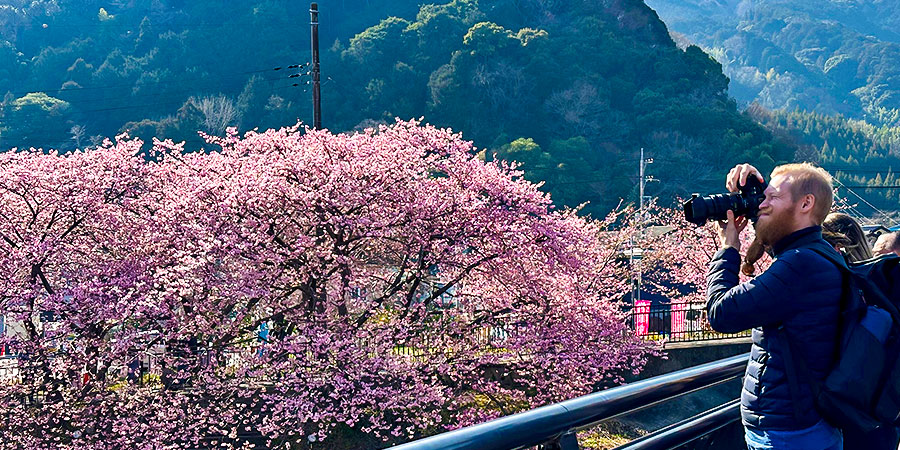
Sakura Season in Asahikawa
|
Clothes
Sweater, wool coat, and thick sweatpants are needed in April. By May, you can wear a hoodie plus a light jacket together with jeans. As for shoes, casual sneakers are suitable.
Travel Highlights & Tips
1. Tokiwa Park is the most renowned cherry blossom viewing spot in Asahikawa. From early to mid-May, approximately 3,500 cherry blossom trees in full bloom transform the entire park into a romantic pink fairyland. As night falls, the Night Cherry Blossom Lighting Festival is held. Visitors attending the event are advised to dress warmly to prevent catching a cold.
2. If you want to enjoy the spring scenery in a more tranquil place, Kaguraoka Park is an excellent choice, with over 500 cherry blossom trees showcasing their charm and awaiting your visit!
3. As humidity is lower during these two months, combined with winds, pollen are easy to spread in the air. Therefore, travelers who have sensitive noses are recommended to wear a mask when hanging out near the areas with a lot of flowers.
Summer from June to August
Weather
Summer here is temperate in general, with daily high temperature ranging at 20-30°C (68-86℉) mostly. Based on the temperature data in recent years, even the highest temperature is only around 34 degrees Celsius (93 degrees Fahrenheit). But the UV rays intensify, with the highest UV index reaching 7-8. In early mornings and late afternoons, it’s comfortably cool at approximately 13-24°C (55-75℉). Rainy and overcast weather would occur from time to time, but basically won’t last for an entire day.
Clothes
Given the overall mild weather, T-shirts, light pants/ summer dress, and breathable walking shoes are enough and appropriate. Bring a light coat in case you feel too cool in early or late hours.
Travel Advice
1. By virtue of adequate daylight hours and vibrant natural scenery of summer months, you are recommended to take a stroll around the city for sightseeing. The Ueno Farm is a good place to go for there are diversified plants and blooming flowers in this season.
|
|
|
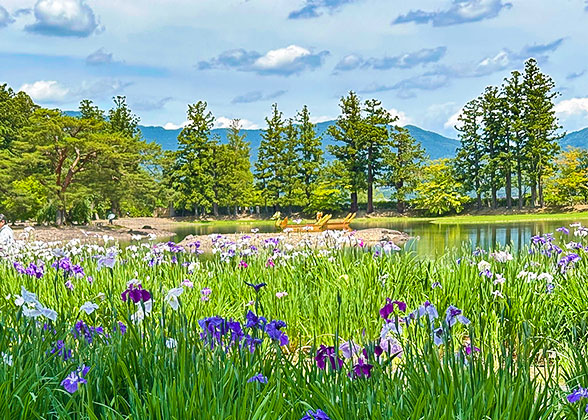
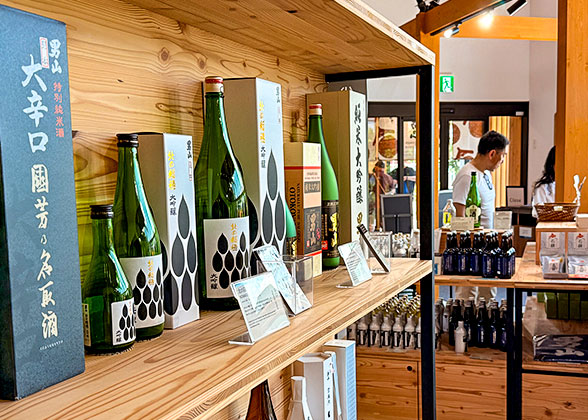
2. Always take an umbrella and prepare a plan B as you may encounter occasional intense rainfalls. Under such circumstances, top indoor sites like Asahikawa City Museum and Taisetsu Beer House are recommended, where you can enjoy appreciating local historical heritages and high-quality cool beer, respectively.
Autumn from September to October
Weather
In autumn, the climate steadily cools down. During early to mid-September, daily high temperatures hover around 20-27°C (68-81℉), so it’s still very warm during daytime. Although the temperatures fall quickly after sunset, it feels comfortably cool with lows at about 12-18°C (54-64℉).
In late September to mid-October, chills frequently sneak in Asahikawa, making highs drop to 13°C (55℉), and lows to 5°C (41℉). By late October, it’s already very chilly with the minimum temperature ranging at 0-5°C (32-41℉), heralding the coming of winter.
This season has slightly more frequent rainfall than the previous months, but heavy rainfall scarcely occurs, so your travel can proceed as normal.
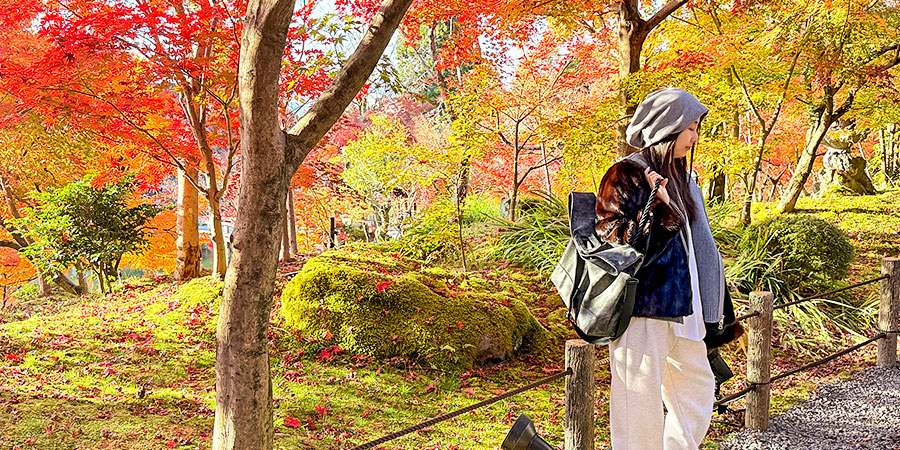
Autumn Views in Kaguraoka Park
|
Clothes
Summer outfits are okay in early to mid-September. Long-sleeved shirt and cardigan paired with thin sweatpants are enough in late September to October. Considering you’re going to admire the outdoor autumn foliage, better choose hiking shoes and make sure they are waterproof and non-slip.
Top Things to Do
2. After admiring autumn leaves, why not watch a beautiful sunset and enjoy hot ramen to warm yourself up? The Asahikawa Ramen Village has many ramen shops where you can try whatever flavors you like.
See more about Hokkaido Weather and Asahikawa Attractions.
You May Like
-
 10 Days Private Tour of Tokyo - Mt. Fuji - Tokyo - Nagoya... from USD3809
 -
 11 Days Mini Group Tour to Tokyo - Hakone (Mt. Fuji) - Kyoto... from USD3554
 -
 7 Days Private Tour of Tokyo - Mt. Fuji - Tokyo - Kyoto - Nara - Osaka from USD2401
 -
 8 Days Mini Group Tour to Tokyo - Hakone & Mt. Fuji - Kyoto... from USD2771