

- Attractions
- Transportation
- Weather
- Videos
- Photos
Hiroshima Transportation
Unlike the intricate transport networks of Tokyo and Kyoto, Hiroshima boasts a straightforward, distinctive transit system. There is no subway across Hiroshima, and tramways running through the city serve as the primary means of travel for sightseeing.
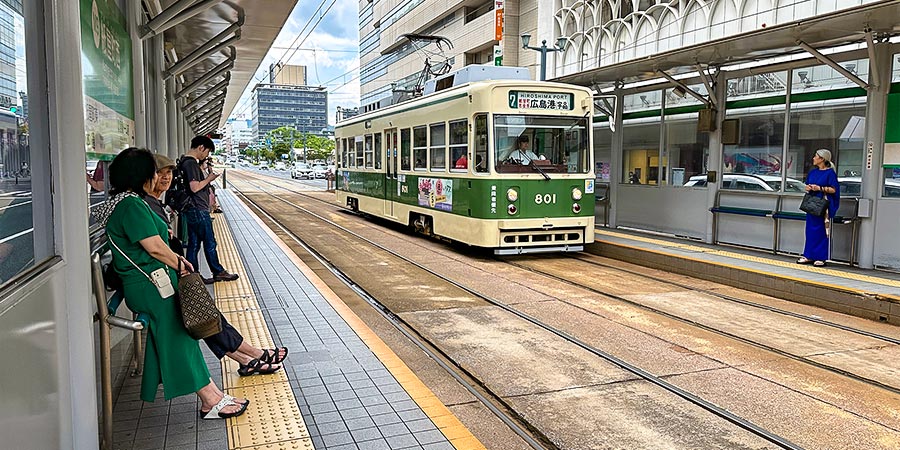
Hiroshima City Tram
|
JR Hiroshima Station functions as the city’s main transport hub, acting as the departure point for Shinkansen intercity trips and transfers to suburban attractions. This convenient hub layout enables effortless suburban excursions, yet Hiroshima’s most iconic destination, Miyajima Island, cannot be reached via land transport entirely; visitors must take a ferry across the water to reach the island, forming one of Hiroshima’s most memorable travel experiences.
How to Get to Hiroshima?
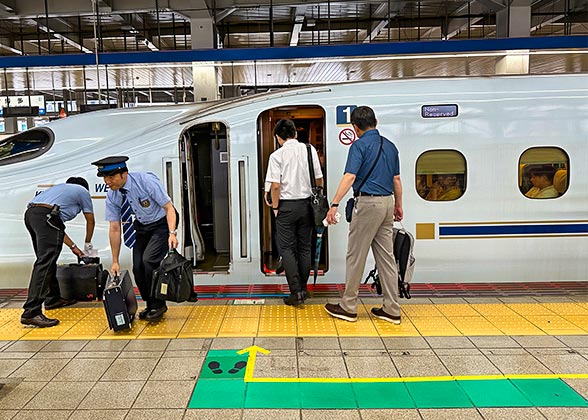
Hiroshima Airport operates limited international routes to a handful of Asian cities, so most overseas tourists fly into major Japanese hubs like Tokyo and Osaka first before transferring to Hiroshima. The Sanyo Shinkansen ranks as the top domestic travel option to Hiroshima, while domestic flights and overnight highway buses work well for travelers departing from faraway cities.
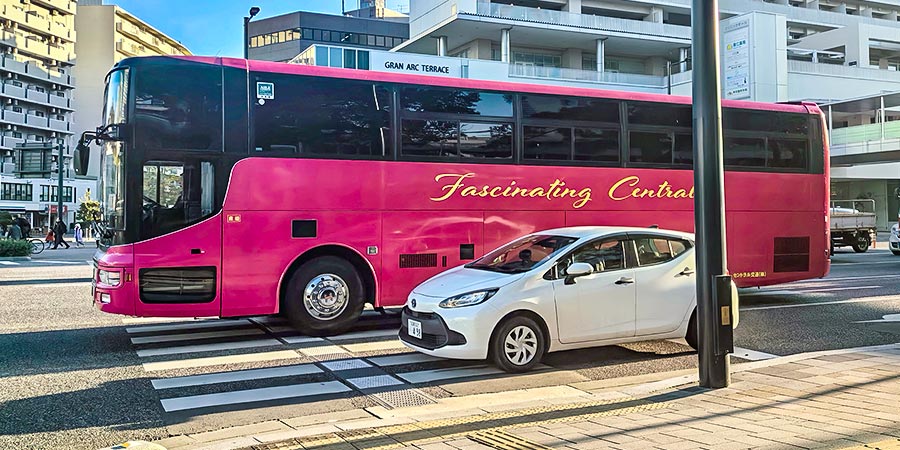
Overnight Highway Bus
|
To get downtown after landing at Hiroshima Airport, airport limousine buses stand as the sole public transport choice, with a one-hour ride costing 1,500 JPY (about 10 USD). Refer to the table below for detailed travel options from major Japanese cities to Hiroshima.
| Departure City | Transport Option | Duration | One-way Fare(USD) | |
| Tokyo | Sanyo Shinkansen | 4h | 123 | |
| Overnight Highway Bus | 12-13h | 38-57 | ||
| Flight | 2.5h | 63-158 | ||
| Shin-Osaka | Sanyo Shinkansen | 1.5h | 63 | |
| Kyoto | Sanyo Shinkansen | 2h | 64 | |
How to Travel around Hiroshima?
When sightseeing across the city, visitors mainly rely on city trams, sightseeing loop buses and local JR lines.1. Hiroshima City Trams - Top Choice for Downtown Sightseeing
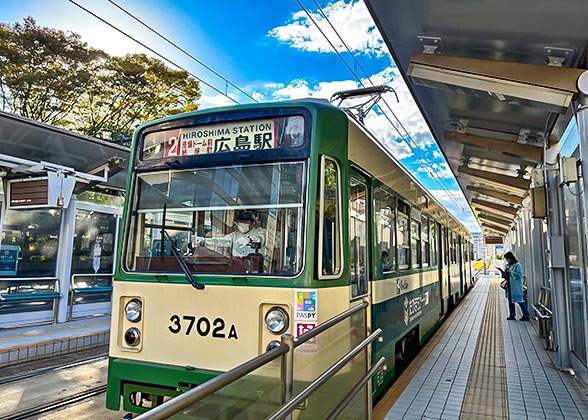
As Hiroshima’s most important public transport, trams are favored by most tourists thanks to their wide coverage of scenic spots, great value for money and high accessibility. Compared with regular city buses, trams run on fixed tracks so they rarely get stuck in lengthy traffic jams and maintain stable frequencies. Riding a tram also lets you soak in local street views along the way, making it both a convenient transport tool and a unique sightseeing experience in Hiroshima.The entire tram network covers Peace Memorial Park, downtown shopping districts, Hiroshima Port and the gateway to Miyajima. Visitors only need to master two core sightseeing routes to explore all downtown highlights:
Line 6 (Hiroshima Station - Eba): Stops right in front of the Atomic Bomb Dome. A short walk leads to Peace Memorial Park and the Peace Memorial Museum, making it the ideal route for exploring Hiroshima’s landmark cultural sites.
|
|
|
Operating Hours & Fares
Hiroshima trams adopt a unified fare system: 240 JPY (about 1.5 USD) for adults and 120 JPY (about 0.8 USD) for children. Services run from 5:50 to 23:00 each day, with trams arriving every 5 to 10 minutes during daytime.Riding Tips
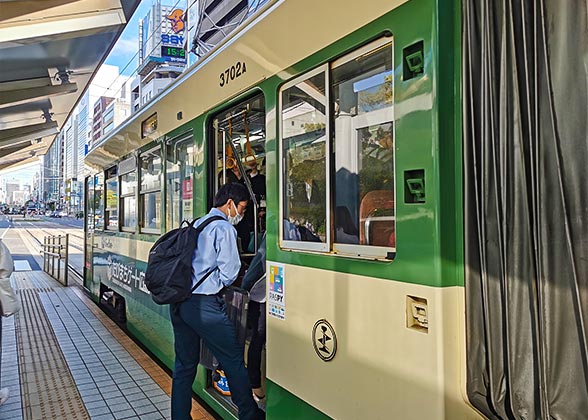
Tram boarding rules often confuse first-time visitors. Passengers must board via the rear door and alight through the front door, tapping IC cards upon both entry and exit. Since trams share road space with ordinary vehicles, mild traffic delays may occur downtown during peak tourist seasons, so spare extra time for transfers in your itinerary.
2. Meipuru-pu Sightseeing Loop Bus - Supplementary Transport for Trams
Some lesser-known scenic spots cannot be reached by tram, and this red sightseeing loop bus fills that gap perfectly. It operates on a hop-on hop-off basis, allowing passengers to get off at any stop to explore attractions and catch subsequent buses to continue their journey without finishing the full loop, granting great flexibility. The bus runs three colored routes: orange, green, and yellow, all stopping at Peace Memorial Park. The orange line covers northern attractions including Hiroshima Castle and Shukkeien Garden, the green line passes art museums and downtown blocks, and the yellow line serves southern districts.Operating Hours & Fares
Operating hours are 9:00 - 17:30 with departures every 15 to 30 minutes, and one full loop takes roughly 50 minutes, creating a leisurely pace for casual sightseeing. A single ride costs 240 JPY, while a 1-day unlimited pass priced at 600 JPY (about 4 USD) saves money for anyone planning multiple trips in one day.Notes:
Holders of a nationwide JR Pass can ride this loop bus free of charge.
Boarding rules for this sightseeing bus are reversed from Hiroshima trams: board through the front door, press the stop button inside the vehicle when preparing to get off, and exit via the side door.
3. Local JR Lines - Connections for Suburban Day Trips
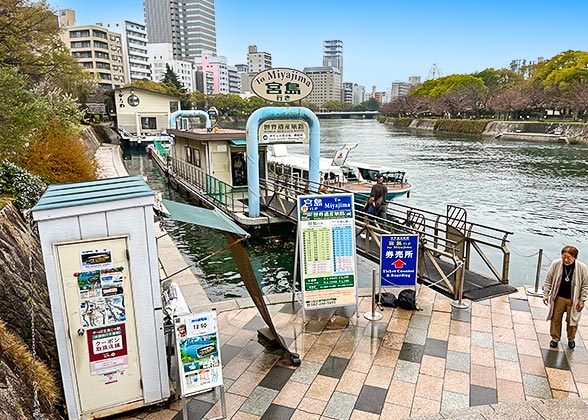
Local JR lines rarely cover downtown landmarks and are built mainly for suburban day trips. Two routes serve tourists most often: the Sanyo Main Line reaches Miyajima-guchi Station, a short walk from the ferry terminal where a 10-minute crossing brings travelers to Miyajima Island, forming the fastest JR land-and-sea route to Miyajima; the Kure Line links central Hiroshima with Kure City for guests visiting the Yamato Museum and naval historic quarters.
|
|
|
4. Astram Monorail & Regular City Buses - Rarely Needed for Visitors
These two transit options cater mostly to local commuters with little sightseeing value. The monorail heads to northern residential zones with no tourist sites, while complicated city buses lack clear foreign-language signs and can be skipped by regular visitors.5. Taxis - Convenient but Pricier Option
Most taxis in Hiroshima feature distinctive green paintwork and are equipped with automatic doors. Visitors can hail cabs on the street near busy tourist zones such as Peace Memorial Park and downtown malls. Overseas travelers are recommended to book rides via international platforms like Japan GO and Uber Taxi for a smoother experience. Bear in mind downtown congestion frequently happens during holidays and peak travel seasons, and taxis keep the meter running while waiting, so touring the whole city solely by taxi is not advised.
You may like: Hiroshima Attractions
How to Pay for Public Transportation in Hiroshima?
1. IC Transit Cards - Recommended Option
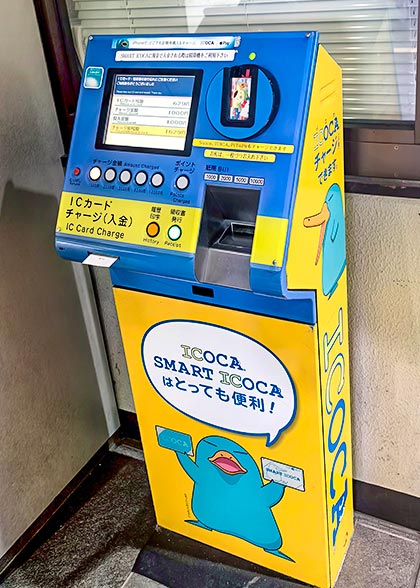
IC Transit Card Recharge Machine
|
2. Cash - Backup Payment Method
Cash is accepted by every form of public transport in Hiroshima and serves as a practical backup for travelers without IC cards, those taking short impromptu trips, or anyone whose IC card runs out of balance. You may buy paper tickets with cash from station vending machines or counters for JR trains, Shinkansen and airport limousine buses. For trams and buses, prepare small change in advance, as vehicles rarely provide change for large banknotes and this may delay boarding.3. Visit Hiroshima Tourist Pass - Cost-Effective for Frequent Rides
If you plan to hop between attractions frequently, the Visit Hiroshima Tourist Pass delivers superior value as a travel payment solution exclusively designed for overseas visitors. Available in 1-day, 2-day and 3-day variants, longer validity periods bring improved daily travel efficiency. Within its valid duration, you can enjoy unlimited rides on all Hiroshima trams, city buses and Meipuru-pu sightseeing buses, plus free round-trip ferry rides to Miyajima, alongside discounted entry to local art museums and attractions, perfectly matching itineraries combining downtown sightseeing and a Miyajima day trip. Please note that the pass excludes JR trains, JR-operated Miyajima ferries and airport limousine buses, and visitors may settle the separate 100-JPY (0.6-USD) Miyajima sightseeing tax independently.
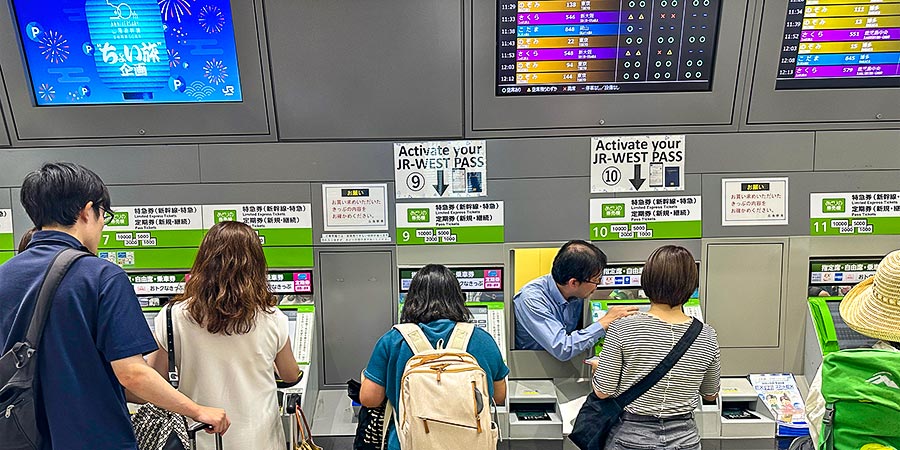
Purchasing Hiroshima Tourist Pass
|
4. Mobile Virtual IC Wallets - Convenient Digital Payment
iPhone users can add virtual Suica or ICOCA cards to Apple Wallet or Google Wallet. After enabling the phone’s NFC function, simply tap the back of the device against card readers when boarding and alighting; the billing logic is fully consistent with physical IC cards. This virtual IC card works aboard Hiroden trams, Meipuru-pu sightseeing buses, local JR lines covering the Sanyo Main Line and Kure Line, municipal city buses and the northern section of the Astram Monorail. Nevertheless, it cannot be used for airport limousine buses or any ferry services bound for Miyajima.