Trip Planning FAQs
What is the best time to visit the Philippines?
The dry season, from November to May, is the best time to visit the Philippines. During these months, most of the islands enjoy sufficient sunshine and little rainfall, perfect for a beach vacation. Besides, from January to May, you’ll have chance to experience vibrant festivals, participating in traditional cultural activities.
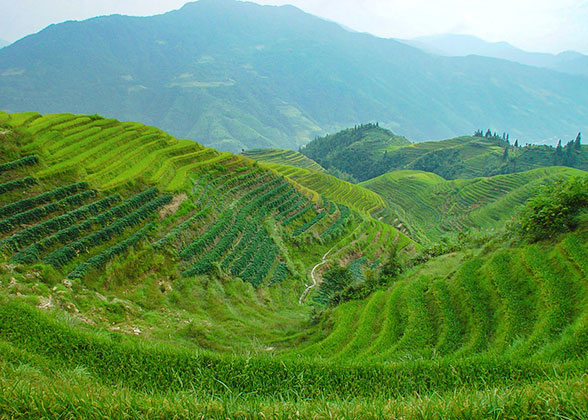
June to October is the rainy season with unpredictable weather, which may disrupt your island tour plans. However, it is ideal for exploring the highland regions and rice terraces of Baguio, Sagada, and Banaue.
Is it safe to travel to the Philippines?
Yes, especially in Manila, Cebu, Palawan, Boracay, and Bohol. Risky areas like Mindanao and Sulu Archipelago are typically not included in regular Philippines tour packages. Most of the typhoons and earthquakes from July to August are minor with small impact. You can check the local weather conditions before you tour, but there’s usually no need to worry too much.
However, we suggest you avoid remote, dimly lit areas when exploring cities or beaches on your own. In addition, please avoid carrying large amounts of cash with you and keeping all your cash in one single place.
Where to go for first-time travelers?
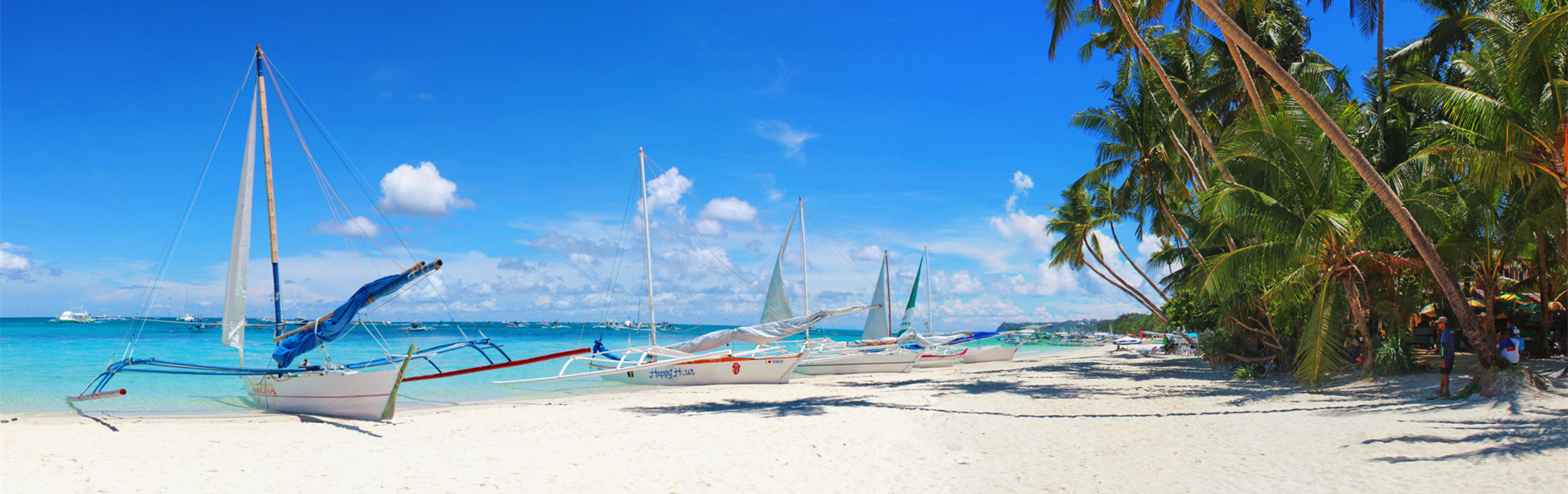
If you’re looking for a relaxing beach vacation, Boracay, with its world-class White Beach, is undoubtedly the best choice. If you prefer mountain scenery, Bohol and Baguio have countless surprises. For snorkeling enthusiasts, exploring the karst lagoons and underwater limestone formations of El Nido and Coron will be a true adventure. Or, if you’re interested in history and culture, Manila and Cebu house abundant Spanish colonial heritage, and the captivating indigenous culture of the mountainous Sagada and Banaue will also impress you. You can check our ready-made Philippines holiday packages above for more details. We’re always happy to customize an itinerary for you.
How is the transportation in the Philippines?
Jeepneys, tricycles, and banca boats (boats with outriggers) are the most common modes of transportation for locals. However, independent travelers may encounter inefficient public transportation, overpriced taxi rides and safety risks.
Choosing our Philippines guided tour with a private car can save your concerns and hassles about transportation. If you want to experience local life and interact with locals firsthand, consider experiencing a short jeepney ride in Manila or Cebu.
What to package for the Philippines?
1. Breathable and lightweight clothing - Keep you dry and cool in the hot and humid climate.
2. Flip-flops and walking shoes - Flip-flops or sandals are necessary for the beaches, while durable walking shoes can keep your feet comfortable when hiking.
3. Waterproof bag - It helps you enjoy island hopping, snorkeling, and other water sports without worrying about getting your belongings wet.
4. Sun protection - Take your sunscreen, sunglasses, sun hat and cover-up, as the sun is very strong on tropical islands.
5. Insect repellant - Protect your skin from bites on islands and countryside.
6. Raincoat or umbrella - Even during the dry season, there is a chance to rain, so it’s always good to bring an umbrella with you.
7. Water bottle - Tap water in the Philippines is not potable, and for environmental protection, we recommend you bring your own water bottle, better with a built-in filter.
Is tipping customary in the Philippines?
No, it’s not obligated. If you are satisfied with the service, you can tip the taxi drivers, waiters, and hotel staff PHP 50-100 (about USD 1-2). For your private Philippines tour, we recommend tipping your driver USD 2 per day, and your tour guide USD 4-10 per day.


 5-7 Days
 Philippines